

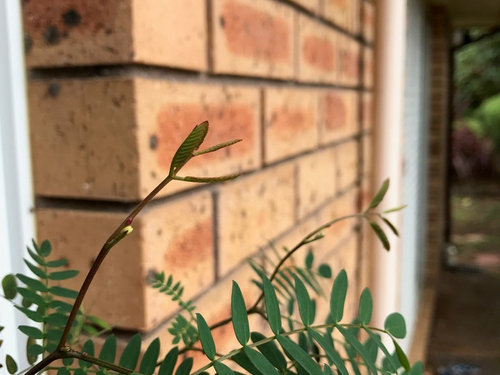
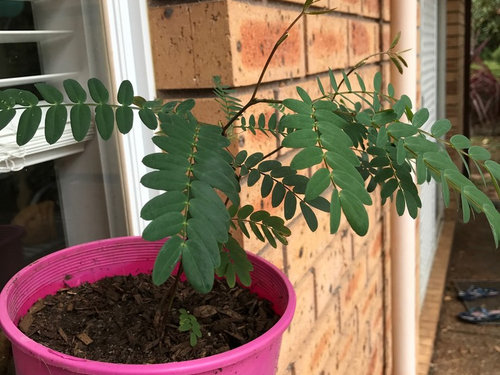
Desperate to find out what plant this is :)
9 years ago
Featured Answer
Sort by:Oldest
Comments (9)
Related Discussions
Trying to find out what this plant is.....
Comments (1)Candy, it's a perennial oriental poppy. Papaver orientale. It's normal for them to go dormant in summer heat, put out a flush of growth when temperatures begin to cool in Fall. My coastal garden is cool in summer and they still go dormant here, leaving a temporary bare spot :)...See MoreTrying find out a type of flower or plant
Comments (1)I'm thinking Canna But you will have more responses on the Name That Plant forum...See MoreNeed help finding out what's wrong with my plant and how to heal it.
Comments (2)It's probably a combination of a soil inappropriately water-retentive, over-watering, and (if you fertilized) a high level of dissolved solids (salts) in the soil solution. If the roots looked good, stick a wick in the drain hole and don't water until a wood dowel (sharpened in a pencil sharpener) or bamboo skewer stuck deep in the pot comes out clean/dry. After you water, tilt the pot at 45* with the wick down and let the wick drip until it stops - you can do that today w/o watering. Put the plant outdoors when temps are above 55*. Given the condition of the existing foliage, you might as well put it directly into full sun, wait for the new leaves to emerge and cut back the old leaves as they go over. Figure A is your pot. Note figures B and E as representations of what tipping the pot after watering and a wick can do for you. You could also put some ballast in the bottom of the pot to help reduce the amount of water held as perched water. See figure D. Al...See MoreFinding out what this "plant (?)" is
Comments (1)It is definitely a fungus, a mushroom. It is a bracket, or "shelf" fungus, but there's a brazillion kinds of those, so I don;t know which one. In general, mushrooms are not dangerous to your garden, the "mushroom" or "fruit" that we see are actually only just the reproductive parts of the fungus, with the rest of the organism, the part that eats and digests and everything else is "below ground." The umbrella shaped ones in particular are actually the reproductive parts of the soil mycorrhizae, so having them around is a good sign (unless it's a symptom of overwatering, that's a bad sign lol). That type of fungus is usually typical of wood, old tree stumps and trunks, piles of firewood, untreated lumber etc., though it looks attached to some concrete right there. I would safely say it poses no threat to your garden plants and if you want to keep it around, it looks kind of neat, but if not, just like you did, knock it off with the shovel....See More- 9 years ago
 9 years ago
- 9 years ago
- 9 years ago
- 9 years ago
- 9 years ago
- 9 years ago

Related Stories

FEEL-GOOD HOMEWhat Really Makes Us Happy at Home? Find Out From a New Houzz Survey
Great design has a powerful impact on our happiness in our homes. So do good cooking smells, family conversations and, yes, big-screen TVs
Full Story
GARDENING GUIDESHow to Find the Right Native Plants for Your Yard
Find plant maps, sale sites and guides that make going native in the garden easier than ever
Full Story
GARDENING GUIDESHow to Find the Right Plants for Your Garden
Break free from choosing plants by cold-hardiness zones for a beautiful landscape that thrives year-round
Full Story
LANDSCAPE DESIGNNative Plants Help You Find Your Garden Style
Imagine the garden of your dreams designed with plants indigenous to your region
Full Story
LANDSCAPE DESIGNWhat Kind of Gardener Are You? Find Your Archetype
Pick from our descriptions to create a garden that matches your personality and tells your story
Full Story
CURB APPEALClues to Finding the Right Color for Your House
Waffling over the rainbow of color options for your home's face? This advice from an architect can help
Full Story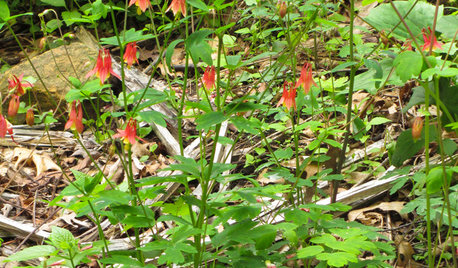
FLOWERS AND PLANTSRoll Out the Welcome Mat for Hummingbirds With Red Columbine
Grow Aquilegia canadensis in eastern perennial gardens or informal woodland plantings for its delicate foliage and uncommon red flowers
Full Story
GARDENING GUIDESDesigning With Conifers: Find the Perfect Fit for Your Landscape
Conifers range from fairy-garden size to 70 feet tall. Here’s how to decifer the plant tag for the perfect long-term fit in your garden
Full Story
GARDENING GUIDESDesigning With Conifers: Finding the Right Garden Bedmates
In gardening, building on commonalities creates an enduring relationship
Full Story
DECORATING GUIDESFlea Market Finds: Botanical Prints
Historical Plant Illustrations Flourish on the Wall
Full Story
Woko