

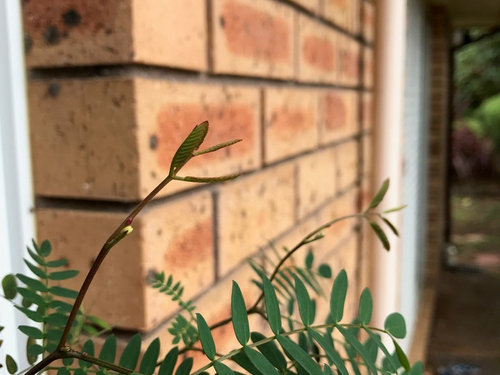
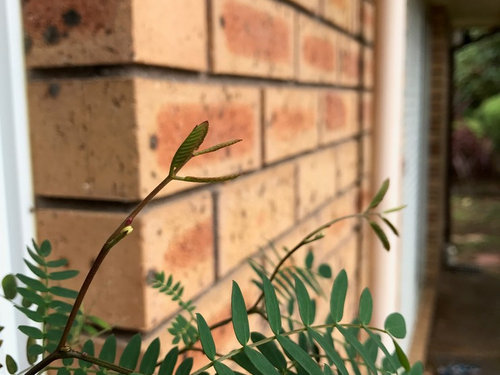
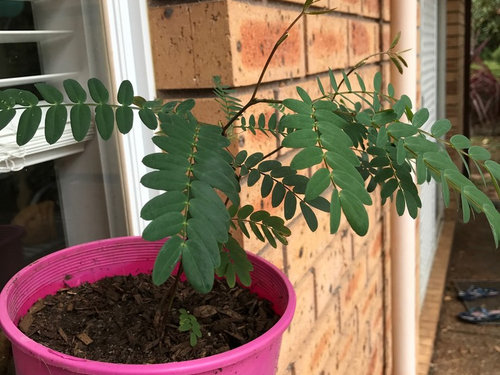
Desperate to find out what plant this is :)
9 years ago
Featured Answer
Sort by:Oldest
Comments (9)
Related Discussions
*please help me find out what this plant is.....
Comments (10)The spikes are their inflorescence. I was wondering if this plant is going to blossom , turns out it is not. Inflorescence: The flowering part of the plant, especially the way its flowers are arranged in groups or clusters -- in this case, spikes. Spike: A form of simple inflorescence with the flowers sessile (without individual stalks) or nearly so on a more or less elongated common axis. [Adapted mostly from GW's Glossary of Botanical Terms.]...See MoreSearchable plant database? How do you find out what's available?
Comments (4)But before you go shopping, I think there should be one more "figure out" on your list: Figure out what YOU want! That means knowing not only all those other figure-outs, but deciding what does and does not appeal to you - formal or casual? lots of annuals or lots of perennials? mostly flowers or all evergreens or great expanses of lawn or fresh vegs or fruit trees or maybe bonsai? is lots of pruning okay or would it better be if the landscape were mostly self-maintaining? Most of us have a general idea of what we like - however, this is *your* landscape so please yourself first - but going through a stack of garden magazines or driving around and just looking at what other folks have done can help clarify your preferences. And self-honesty is supremely important: how much time and effort will you *really* spend each week? Does your idea of a great Saturday mean going boating all day- or pulling weeds all morning followed by hauling mulch for several hours- or laying back in the hammock? The less time you have available in combination with the less effort you may want to expend on the garden means that you need to choose both plants and a planting style that appeals to you esthetically but doesn't require a many hours of labors every week. OTOH, if you adore roses and would rather train canes than relax in a lounge chair, then you can plan your landscape around roses (or whatever the magic plant may be). Knowing what you do -or don't- want will be a big help in narrowing the planting choices to a manageable number, and the rest of "landscaping" is mostly following a few sensible rules (those first figure-outs you listed); setting reasonable and realistic goals; listening to others who have done the same thing [who may or may not be experts, but you can learn lots from somebody else's experience]; and then accepting that both gardens and gardeners change as time passes. Oh yes, and 2 things about hardscape: always make a comfortable weatherproof chair your first purchase, and remember that it's easier to put the path where the wheelbarrow needs to go than it is to fix the lawn after dragging the mulch across the grass because there wasn't a path....See MoreDesperate - What house plants propogate easily
Comments (2)In my experience this has not been a big money maker. You can make some money, and it is enjoyable work, but I know few people doing this at the level you describe that can make equal to even a part-time job's income. If you live in an area with few places for customers to locate healthy houseplants then you might be on to something - in my area there are plenty of low cost alternatives. I've always said that there's a difference between growing a plant, and selling a plant. One is much harder than the other. You may find that it would be better for you to teach houseplant care classes or give advice over the internet or something else completely that is related to houseplants but doesn't rely on a crop being grown by you. I sell plants that I grow. I grow all sorts of plants including houseplants. My top sellers are perennials (flowers and small shrubs), herbs for food, bedding annuals, houseplants, and in last place herbs for medicine, in that order. In houseplants I sell a lot of flashy tropical color like Begonias, Nerve Plant, Wandering Jew and Pepperomias and not so much blooming plants. I sell a lot of boston ferns and asparagus ferns and I sell a lot of cholorphytum or airplane plant (some folks call them spider plants). Mostly I think folks buy them because I explain how good they are at cleaning the air inside your house. None of these are what I would consider quick to propagate and it is very hard to grow a lush filled out 'finished' plant without a greenhouse and full sun with lots of careful watering (in other words - lots of work). It is easier to sell small starts or rooted cuttings but they don't bring much money. Good luck...See MoreFinding out what this "plant (?)" is
Comments (1)It is definitely a fungus, a mushroom. It is a bracket, or "shelf" fungus, but there's a brazillion kinds of those, so I don;t know which one. In general, mushrooms are not dangerous to your garden, the "mushroom" or "fruit" that we see are actually only just the reproductive parts of the fungus, with the rest of the organism, the part that eats and digests and everything else is "below ground." The umbrella shaped ones in particular are actually the reproductive parts of the soil mycorrhizae, so having them around is a good sign (unless it's a symptom of overwatering, that's a bad sign lol). That type of fungus is usually typical of wood, old tree stumps and trunks, piles of firewood, untreated lumber etc., though it looks attached to some concrete right there. I would safely say it poses no threat to your garden plants and if you want to keep it around, it looks kind of neat, but if not, just like you did, knock it off with the shovel....See More- 9 years ago
 9 years ago
- 9 years ago
- 9 years ago
- 9 years ago
- 9 years ago
- 9 years ago

Related Stories
FEEL-GOOD HOMEWhat Really Makes Us Happy at Home? Find Out From a New Houzz Survey
Great design has a powerful impact on our happiness in our homes. So do good cooking smells, family conversations and, yes, big-screen TVs
Full Story
GARDENING GUIDESHow to Find the Right Native Plants for Your Yard
Find plant maps, sale sites and guides that make going native in the garden easier than ever
Full Story
GARDENING GUIDESHow to Find the Right Plants for Your Garden
Break free from choosing plants by cold-hardiness zones for a beautiful landscape that thrives year-round
Full Story
LANDSCAPE DESIGNNative Plants Help You Find Your Garden Style
Imagine the garden of your dreams designed with plants indigenous to your region
Full Story
LANDSCAPE DESIGNWhat Kind of Gardener Are You? Find Your Archetype
Pick from our descriptions to create a garden that matches your personality and tells your story
Full Story
CURB APPEALClues to Finding the Right Color for Your House
Waffling over the rainbow of color options for your home's face? This advice from an architect can help
Full Story
FLOWERS AND PLANTSRoll Out the Welcome Mat for Hummingbirds With Red Columbine
Grow Aquilegia canadensis in eastern perennial gardens or informal woodland plantings for its delicate foliage and uncommon red flowers
Full Story
GARDENING GUIDESDesigning With Conifers: Find the Perfect Fit for Your Landscape
Conifers range from fairy-garden size to 70 feet tall. Here’s how to decifer the plant tag for the perfect long-term fit in your garden
Full Story
GARDENING GUIDESDesigning With Conifers: Finding the Right Garden Bedmates
In gardening, building on commonalities creates an enduring relationship
Full Story
DECORATING GUIDESFlea Market Finds: Botanical Prints
Historical Plant Illustrations Flourish on the Wall
Full Story
Woko