

Cyber-attack on the east coast
9 years ago
last modified: 9 years ago
Featured Answer
Sort by:Oldest
Comments (27)
 9 years ago
- 9 years ago
Related Discussions
Do Raccoons Attack People?
Comments (23)I'm sorry but it is just wrong, wrong, WRONG to ever feed a wild animal!! It prevents them from foraging for food as nature intended, gets them accustomed to food they probably shouldn't be eating and it removes any proper sense of fear they should have about interacting with humans. While I do not necessarily condone the approaches that many previous responders have reported in their contacts with raccoons, it is practices like this (feeding) that help to create the problems with wild animals that results in these sort of unfortunate interactions. If your father is truly a vet, he should have told you this and trained you better!! Also rabies with raccoons is extremely common - they together with skunks, foxes and bats are considered 'rabies vector species', meaning they are a leading carrier of this disease among wild animals. If you see any of these species acting abnormal - like the nocturnal 'coons out and about during daylight hours, having difficulty walking or wandering in circles, then it is a pretty safe bet that animal IS sick and rabies (as well as distemper) is a likely cause. You are encouraged to call Animal Control or Fish and Wildlife or whoever in you area is responsible for addressing these issues. And how you can say the previous posters reporting their personal, unusual or scary interactions with raccoons as merely "urban legends" is beyond me. I live in a heavily wooded area and raccoons abound. Because of folks like you who feed them out of some erroneous sense of need or misplaced goodwill, they are not at all fearful of humans and will approach thinking you are a source for a tasty handout. Even in very urban environments raccoons are nearly omnipresent - they just tend to be less visible because of all the activity and vehicle traffic and more places to hide. My first up close and personal encounter with a raccoon was living in a densely populated city. One summer evening I went out to turn off my sprinklers and came face to face with a large male raccoon in my garden - no more than 10' away. We both stood stock-still for a moment and then with a low growl, he started moving in my direction and I beat a hasty retreat indoors until I saw him clamber up over my fence and move on across the street....See MoreEast Coast spraying question
Comments (29)Seil and buford - nice to see some rational thought about fungicides, at least. :-) For me, Bayer is a godsend. I prefer to grow many of the roses that my parents had and that I grew up with - Tiffany, Crimson Glory, Peace, Mister Lincoln, Queen Elizabeth, etc., etc. I started using Funginex two decades ago, but it's really not much better than a horticultural oil. That's about what it is, except petroleum-based, I think. Anyway, I switched to Banner Maxx when my numbers of roses grew. Even with close to 90 hybrid teas and floribundas and sometimes 12 gallons of spray at a time, though, most of it would go bad in a couple of years before I could use it all. Then there was the constant mixing with Indicate 5 or something similar (a real hassle). With the Bayer, I don't have to worry about any of that. It may cost more per gallon than buying the bulk Banner Maxx, but at least I'm not wasting it. Just to see a black spot infected leaf actually improve, and not completely die off, is a modern wonder....See MoreArmillaria on the US East Coast
Comments (3)Awesome question! I think Mr Nearing's conclusions are way oversimplified at best. Of course, the article was written before much of the current understanding and research was available. Even the basic taxonomy of the Armillaria genus has changed drastically (and continues to change) since the article was written. The pathogenicity (how likely it is to cause damage) and virulence (how easily it is transferred) of different Armillaria rots is known to vary significantly. Some types of Armillaria rot are considered more of an opportunistic invader and some a more virulent pathogen, but the actual nature of most types lies somewhere in between. Otherwise apparently healthy and vigorous trees have been killed by Armillaria infection. It's not always easy to say that the trees would have become infected under different conditions, but it should be noted that the spread of the pathogen and its carnage often cannot be controlled by simply providing otherwise suitable growing conditions for the potentially impacted plants/trees. Here are some links to articles, related to this topic, that I think are interesting: US Forest Service / Armillaria Root Disease www.na.fs.fed.us/spfo/pubs/fidls/armillaria/armillaria.htm WSU Cooperative Extension / Armillaria Root Rot, Shoestring Root Rot, Honey Mushroom http://ext.nrs.wsu.edu/forestryext/foresthealth/notes/armillariarootrot.htm Forestpathology.org / Armillaria Root Disease http://www.forestpathology.org/dis_arm.html US Forest Service / Armillaria Root Rot: The Puzzle Is Being Solved http://www.apsnet.org/PD/PDFS/1985/PlantDisease69n10_826.PDF Here is a link that might be useful: Studies on the pathogenicity of Armillaria spp. (more articles linked at bottom of this document too)...See MoreGold Coast Peachy - broke down and ordered it
Comments (63)This time I'm not posting about Gold Coat Peach's scent (which is awesome). Nope. This time I'm posting about how impressed I am with the first inflo I've gotten from this plant. Most of my first inflos have been lackluster and don't produce many blooms or they fall off quickly or even worse I lose the whole inflo. Not so with Gold Coast Peach. This baby is pumping out mega blooms! Love it...hope I didn't just jinx it by posting this. ;) -Robert...See More 9 years ago
 9 years agolast modified: 9 years ago
- 9 years ago
- 9 years ago
- 9 years agolast modified: 9 years ago
 9 years ago
 9 years agolast modified: 9 years ago
 9 years ago
- 9 years ago
- 9 years ago
 9 years agolast modified: 9 years ago
 9 years ago
- 9 years agolast modified: 9 years ago
- 9 years ago
 9 years ago
- 9 years ago
- 9 years ago
- 9 years agolast modified: 9 years ago
 9 years ago
- 9 years ago
 9 years ago
- 9 years agolast modified: 9 years ago
- 9 years agolast modified: 9 years ago
 9 years ago

Related Stories

VACATION HOMESHouzz Tour: Traditional Meets Airy in a Luxurious Coastal Home
Layered colors and patterns designed for its traditional bones give a weekend house on the Melbourne coast a bright outlook
Full Story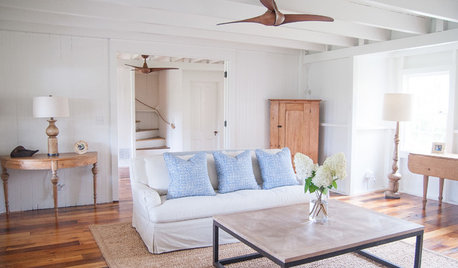
HOUZZ TOURSHouzz Tour: A Connecticut Beach House Builds New Memories
Extensive renovations make an 8-bedroom summer home ready for a family and many guests
Full Story
HOUZZ TOURSMy Houzz: Elegant Redo of a Hollywood Spanish Colonial
A film producer takes a cue from his Scottish roots to bring comfort and familiarity to his home in the Hollywood Hills
Full Story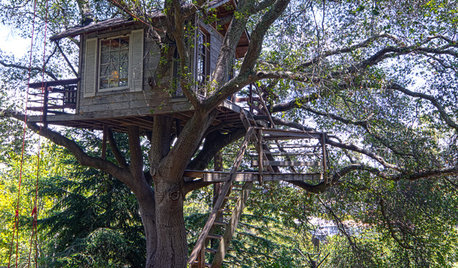
DREAM SPACESA Northern California Tree House Makes Memories
Designed with utmost respect for the tree cradling it, a cozy house gives overnighters an experience to cherish
Full Story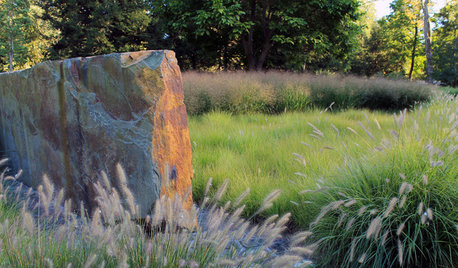
EARTH DAYThe Case for Losing the Traditional Lawn
Work less, help the environment and foster connections by just saying no to typical turf
Full Story
GROUND COVERSNative Alternatives to English Ivy, Japanese Pachysandra and Periwinkle
These shade-loving ground covers are good for the environment and say something about where you are
Full Story
BEDROOMSNew This Week: 3 Bed, Nightstand and Wall Combos You’ve Got to Try
Whether you prefer moody, minimalist or sunny, these 3 bedrooms uploaded to Houzz recently are exercises in stylish harmony
Full Story
ARCHITECTURERoots of Style: Midcentury Modern Design
Midcentury modern still charms with its linear forms and low-sloping roofs. Appreciate it now — such simplicity can be hard to replicate
Full Story
GARDENING GUIDESHelp Fuel the Monarch Migration With These 6 Prairie Plants
Try these nectar-rich beauties and help autumn monarchs
Full Story
THE HARDWORKING HOMECES 2015: Inching Toward a Smarter Home
Companies are betting big on connected devices in 2015. Here’s a look at what’s to come
Full StorySponsored
lucillle