

When does onion sometimes have a bitter flavour?
10 years ago
Featured Answer
Sort by:Oldest
Comments (8)
 10 years ago
 10 years agolast modified: 10 years ago
Related Discussions
Lettuce Bitter again - any thoughts?
Comments (8)Leaf lettuce during cool weather is SOOOO sweat but as the heat rises and the sun intensifies it's starts to turn bitter. It can still be picked before it bolts but when you pick it makes the difference. I pick first thing in the morning before the sun rises. The juice that causes the bitterness has retreated back into the roots through the night. I pull the whole plant and take it into the kitchen where I immediately cut off the roots past the outer leaves. I let it sit a few minutes to allow the any juice to run out and then pull the leaves and wash them. I shake off any excess water and put it in a plastic bag for the night. After that I make a salad and tear it up!...See MoreHow do you know when onions are ready to pull?
Comments (70)OSUEngineer, I generally have the same experience except when the weather is wildly fluctuating from too hot to too cold weekly. When that happens, often the bigger ones bolt. It is that whole biennial thing that happens once they're a certain size and then exposed to a week of very cold weather. It really doesn't happen that often though. The smallest ones usually aren't worth planting---I mean the really tiny ones. I usually just drop them into the path to blend in with the mulch. I like the medium-sized plants since they are the easiest to keep happy, but this year even th great big ones stayed happy. You know, if the onions are happy, I'm happy. Since we haven't had that erratic weather down here this year, our onions are way ahead of their usual schedule. It is sort of astonishing to see what happens when the onions haven't had to deal with much cold weather at all since they were planted. I rarely have had onions reach the 15-16 leaf stage in May, when they reach it at all, and this year all the larger ones just about have hit that point. I feel like I walk through a forest of onions every day, but I'm not complaining. I'm so glad to hear that buying direct from Dixondale is working out so well for you. It was a gentleman from Texas, now deceased, who used to post here on GW as GoneFishin' who convinced me to try ordering from Dixondale many years ago. He always had the most beautiful onions and so I decided to try ordering direct to see if I could get onions as nice as his. I think maybe this year I finally have onions as big and as happy and as healthy as his always were, but it has taken me the better part of 2 decades to get there. See how nice it can be when the weather cooperates? When a few of mine have died like yours did, I always assume they might have had a disease or got too dried out after being pulled or whatever. It happens. I think Dixondale overpacks to account for that. Kim, Normally, if you cut off the necks instead of curing the onions properly, the onions will not store as well, but much depends on the varieties too. With all the sweet southern type varieties (most short day and intermediate day length types fall in this category), they really don't store for a real long time anyway so it might not hurt to cut off their leaves. Would I do it? No. But, these are your onions and you're the Queen of your garden so you should feel free to do whatever you choose. To understand why curing them with the leaves on is important, I'll just say that as the onions cure, the necks dry and shrink down. During this process the onion skins/wrappers are drying and sort of shriveling and pulling tight. Allowing this to happen naturally takes a while but is important---there's more to gardening than just the growing---you want to maximize your harvest's usage via proper curing and storing. The wrappers/scales/skins (whatever you choose to call them) will help protect the onions in storage. If you cut off the leaves before the drying process finishes up, the skins may not dry properly and pull tight to protect the onions from bacteria. Normally, once the skins pull tight and dry out, then you can cut the leaves off about 1" above the bulb. The reason you don't cut closer is because cutting too close can allow bacteria to infiltrate. If you prefer and if your leaves have dried down really well without getting mildew or fungi or anything, you can braid the onions together like you do with garlic. With storage onions (generally the long day length types and a few of the intermediate types), it is very important to let them cure properly. If cured properly they can last in storage from 4 to 10 months, which is just awesome. Imagine never having to buy an onion at the grocery store all year. Cutting off the leaves too early without curing properly could interfere in the curing process and cause them to sprout really early instead of storing for months. So, weigh your options. If you're wanting to cut some to use the greens, try it with a few and see how they store and then you can determine if you want to try it with more of them. The best way to learn is to experiment to see what works for you in your particular conditions and circumstances. I learned how important proper curing was early in my adult gardening life by not curing properly----that is why I feel like it is so important. When I slowed down and stopped being so impatient and allowed them to cure properly on their schedule as they needed instead of on/by my schedule, my storage time of all varieties pretty much doubled. For me, there was a huge lesson in that. You know, I helped my dad all the time when I was a kid--toddler-sized, really, through young adulthood and I never really thought much about what he did or how he did it. I just did things the way he'd shown me or told me and that was that. I didn't question his methods. They worked. I might not have understood why they worked, but I knew they did. Later on, as an adult with my own garden and with Alzheimer's Disease stealing his mind, I wish I previously had asked a lot more questions and written down his answers while he still could provide those answers. By the time I wanted/needed to ask questions to learn why we did things a certain way, he no longer could answer those questions. It took me another 10 years on my own to develop a good understanding of it all---not so much an understanding of what he did, but of why he did it and why it mattered and why I needed to do it too. I always try to explain the why's when I can because he didn't explain them to me and that caused me, eventually, to have a much longer learning curve. Dawn...See MoreFlavoured Coffees
Comments (13)Not a big fan of flavoured coffee but i do like buying the big bag of Zavida hazelnut vanilla beans at Costco. Nice smooth flavour but you don't really notice that it is hazelnut or vanilla tasting. I think I might like chocolate flavoured coffee if I tried it On another note my niece sent me a gift of David's loose leaf flavoured teas. Never in a million years would I think I would enjoy a flavoured tea but I found myself liking the black tea with salted caramel. Haven't been able to talk myself into trying the Nut Tea or the Movie Night Tea which actually has bits of popcorn in the mix....See MoreCookalong #10 - Onions
Comments (0)Posted by wizardnm (My Page) on Mon, May 25, 09 at 21:00 Our next *star* ingredient is ...... ONIONS! Picked by Canarybird (Sharon) this is going to be fun. Onions are in so much as a supporting ingredient, sometimes we forget they can also be a star. Over the next two weeks, I'll bet we all find some new things to do with onions. So post away! Nancy Here is a link that might be useful: Cookalong --#9-- Rice Follow-Up Postings: o RE: Cookalong #10 ----- ONIONS!!! clip this post email this post what is this? see most clipped and recent clippings * Posted by canarybird (My Page) on Tue, May 26, 09 at 5:35 Okay I guess I shouldn't have posted this at the bottom of the other thread (sorry) so here it is again: I'll start the ball rolling with this delicious Leek and Onion Quiche. LEEK & ONION QUICHE Ingredients: 1 slice of streaky bacon finely chopped (I used 3 slices ) 400 grams (14 oz) onions halved and sliced (approx 2 large onions) 200 grams (7 oz) leeks sliced in circles 150 grams (1 cup) plain flour 1 TBS baking powder 3 TBS vegetable oil 2 TBS milk 3 TBS plain yoghurt (without sugar) (I used quark) 60 grams (3 rounded TBS) cottage cheese or cream cheese (I used cottage) 1 egg salt & pepper water 1 pyrex pie plate... measuring 19 cm (7.5 inches) across bottom ..... if it has sloping sides, top rim to rim 24.5 cm (9.3/4 inches) Preparation: 1. Preheat oven to 180 - 190 C (approx 365° F) 2. Put the flour and the baking powder in a mixing bowl and stir. Leave a well in the middle and add the cheese, one tablespoon of oil, one tablespoon of milk and a pinch of salt. 3. Mix well with a round bladed knife or your hands until you have a pastry which binds well together and is slightly sticky. You may need to add a little water. Do so by the spoonful to make sure you don't add too much. 4. Place into a pie plate and spread well over the base and up the sides, patting with fingers and the back of a soup spoon. 5. Place in the fridge to rest. 6. Gently fry the vegetables and bacon in the remaining oil until soft and golden, then transfer them to the pastry base using a slotted spoon. 7. Beat the egg with the remaining spoonful of milk and the yoghurt (or quark) and pour over the vegetables, making sure that it is spread evenly over the whole quiche. 8. Season and place in the oven for 40 minutes. Here it is sliced: SharonCb o RE: Cookalong #10 ----- ONIONS!!! clip this post email this post what is this? see most clipped and recent clippings * Posted by sally2 (My Page) on Tue, May 26, 09 at 22:00 Yippeeeee! I'm harvesting onions from my garden now, so this is perfect timing. I'll have to look up some recipes to post. Sharon, your recipe looks really good. I'll have to try it. Sally o RE: Cookalong #10 ----- ONIONS!!! clip this post email this post what is this? see most clipped and recent clippings * Posted by lpinkmountain (My Page) on Tue, May 26, 09 at 22:57 With onions, a little goes a long way with me. Having said that, I do like a few oniony things--potato leek soup, (although not cold) and tabouleh spring to mind. I think tabouleh is a classic onion-centered dish, the contrast between the lemon, parsley, mint and onion is a totally unique combination. Take out any one element, and it is seriously less. Same with my mom's sour cream, cuke, lemon and chive salad. It's a tamer version of tsatsiki. So those are some of my onion family favorites. Some day I'm going to try and make those slow cooker roasted onions. Oh yeah, that's another way I like onions, as part of a roasted vegetable melange. Red is my favorite onion for that. Here's a recipe featuring both onions and potatoes, which you might also have in the garden this time of year. It's my third favorite potato salad, behind my mom's potato, egg, dijon mustard, mayo and dill one, and Bobby Flay's sweet potato one (recipe linked here as it also has scallions), and then this one. Got it from some women's magazine quite a while back. Potato Salad with Green and Yellow Beans (can use all green) 8 oz. fresh green beans, trimmed (or G-d forbid use the frozen ones, already trimmed!) 8 oz. fresh yellow wax beans (can use celery or yellow pepper) 1 lb. new red potatoes (or any other kind of new potato) 3 TBLSP olive oil 1 TBLSP balsamic vinegar 1 clove garlic, pressed 1 tsp. salt (or less, I use 1/4 tsp.) 1/2 tsp. oregano 1/8 tsp. pepper or lemon pepper 1 small red onion, thinly sliced 3 small diced scallions Steam beans 5-10 min., rinse with cold water to stop cooking and retain color. Boil potatoes (15-20 min.) When cool, dice all vegetables into bite sized pieces. Make dressing and toss with salad. If you're like me, you may want to double the dressing recipe for more flavor. Healthy and colorful. Garnish with chopped parsley if you think it needs a garnish. Grilled Sweet Potato and Scallion Salad Recipe courtesy Bobby Flay 8 servings Ingredients 4 large sweet potatoes, par-cooked and cut into 1/2-inch slices 8 scallions 3/4 cup olive oil, divided 2 tablespoons Dijon mustard 1/2 cup cider vinegar 1/4 cup balsamic vinegar 2 teaspoons honey Salt and freshly ground pepper 1/4 cup coarsely chopped flat-leaf parsley Directions Preheat grill to high. Brush potatoes and scallions with oil and arrange on grill. Grill potatoes for 3 to 4 minutes on each side, or until just tender. Grill scallions until softened and marked. Remove scallions from the grill and cut into thin slices. In a large bowl, whisk together 1/2 cup olive oil, the mustard, vinegars, and honey. Season with salt and pepper, to taste. Add potatoes, scallions, and parsley and toss until potatoes are well coated. Transfer to a platter and serve. P.S. on the link to the Bobby Flay sweet potato salad. I don't have a grill, so the salad works OK with roasted sweet potatoes and scallions. Maybe you can just boil the sweet potatoes and use raw scallions but I've never tried it that way. I also add diced red peppers and a bit more honey to this. Here is a link that might be useful: Grilled sweet potato and scallion salad - Bobby Flay o RE: Cookalong #10 ----- ONIONS!!! clip this post email this post what is this? see most clipped and recent clippings * Posted by ann_t (My Page) on Tue, May 26, 09 at 23:21 Great choice Sharon. Home Cookin Chapter: Recipes From Thibeault's Table Roasted Parmesan-Creamed Onions =============================== Rick Tramonto - Osteria Cookbook Talk about succulent! The yellow onions are pretty pungent when you slice them, but surrender their kick when they are roasted and become sweet and tender. When they reach this point, the cream sauce is poured over them, they are topped with shaved cheese, and then the whole thing is returned to the oven for a slow melt. I like to cook these in a wood oven to get some smoke on them, which makes them even better-if that's possible. Great with chicken, lamb, beef-you name it! I also like it served as a first course. serves 4 4 medium yellow onions 1/4 cup extra virgin olive oil Kosher salt and freshly ground black pepper 1 cup heavy cream 1/4 cup dry white wine 2 ounces Parmigiano-Reggiano cheese, shaved (about 2 tablespoons) 1. Preheat the oven to 350°F. 2. Slice the onions into 1/4-inch-thick rings and lay them in a shallow baking pan, such as a sheet pan or jelly roll pan. Drizzle with the olive oil and season to taste with salt and pepper. Roast for 15 to 18 minutes, or until lightly browned. 3. Meanwhile, in a medium saucepan, bring the cream and wine to a simmer over medium-high heat. As soon as the liquid starts to bubble around the edges, remove from the heat. 4. Spoon about a tablespoon of the cream mixture over each onion slice. Cover with aluminum foil, return to the oven, and cook for about 25 minutes. Increase the oven temperature to 450°F. 5. Remove the foil and top the onions with the shaved cheese. Return the pan to the oven and cook for 4 to 5 minutes, or until the edges caramelize. Serve hot. o RE: Cookalong #10 ----- ONIONS!!! clip this post email this post what is this? see most clipped and recent clippings * Posted by bbstx (My Page) on Wed, May 27, 09 at 12:12 When my daughter was small, she would only eat steak if she also had "steak juice" to dip her steak in. "Steak juice" is the juice which is made when these onions are cooked. The original recipe calls for cooking the onions wrapped individually in foil. However, it is much easier to serve them when cooked in individual souffle dishes. I sometimes use a huge piece of foil and wrap the entire dish (as you would if you were going to freeze the whole thing ...dish and onion) and sometimes I just put the foil over the top and try to seal really well. Baked Onions For each medium onion 1 Tablespoon butter 1 Tablespoon worchestershire sauce 1 Tablespoon soy sauce (low sodium works fine) Tony Cachere's to taste Peel the onion. Cut off the top. Cut the root end off leaving enough to keep the onion intact. Vertically slice the onion into 8 wedges, but do not slice all the way through. Place onion in an individual ovenproof dish or on large square of foil. Pour the worchestershire sauce and soy sauce over the top of the onion. Lay the piece of butter on the top of the onion. Sprinkle with Tony Cachere's to taste. Cover dish with foil or wrap onion tightly in foil. Bake at 350 degrees for one hour. Fabulous with steaks...and don't forget to dip your steak in the juice! o RE: Cookalong #10 ----- ONIONS!!! clip this post email this post what is this? see most clipped and recent clippings * Posted by woodenzoo (My Page) on Wed, May 27, 09 at 16:27 Here's one of my favorite onion recipes! Onion Salsa 3 tablespoons olive oil 2 leeks, chopped 1 large red onion, diced 1 bunch scallions, chopped (both white and green included) 1 shallot, chopped 2 tablespoons garlic, minced 2 tablespoons fresh thyme 3 tablespoons mayonnaise 2 tablespoons fresh chives In sauce pan, heat oil and saute leeks, red onion, scallions and shallot until soft. Remove from heat, cool slightly. Add garlic, thyme, mayonnaise and chives. Mix well. Good on grilled burgers, hearty breads or as a dip for tortilla chips! Cathy o RE: Cookalong #10 ----- ONIONS!!! clip this post email this post what is this? see most clipped and recent clippings * Posted by seagrass (My Page) on Thu, May 28, 09 at 3:39 bbstx - what is "Tony Cachere's"? seagrass o RE: Cookalong #10 ----- ONIONS!!! clip this post email this post what is this? see most clipped and recent clippings * Posted by ruthanna (My Page) on Thu, May 28, 09 at 9:25 I use onions in one form or another nearly every day. One recipe where they get to be a star is in French Onion Soup. FRENCH ONION SOUP serves 4 to 6 3 Tbs. butter 4 large sweet onions (about 1 1/2 pounds total), peeled and thinly sliced 1 tsp. sugar (optional, see note) 1 cup dry white wine 2 quarts beef broth 2 ribs celery with leaves, each rib cut in half Salt and freshly ground pepper to taste 1/4 cup dry fino sherry 4 to 6 slices baguette, cut 1/2 inch thick, lightly toasted 1/4 cup coarsely grated Emmental, Gruyere, or other Swiss-type cheese Melt the butter in a 3 or 4 quart saucepan over low heat. Add the onions and sugar. Cook over low heat, stirring occasionally, until the onions are lightly caramelized, a minimum of 30 minutes. (The longer the onions cook slowly, the richer the flavor of the soup.) Add the white wine and cook over medium-high heat until the wine reduces to about half, about 10 minutes. Add the broth, celery, salt and pepper and bring to a boil over high heat. Reduce the heat to low, cover partially, and allow the soup to simmer until the onions are meltingly tender, about 40 minutes. Remove and discard the celery. Add the sherry and simmer soup for another 5 minutes. To serve, preheat the oven to 375 degrees. Ladle the soup into individual ovenproof bowls. Top each with 1 slice of bread, sprinkle with 1 Tbs. cheese, and place the bowls on a cookie sheet. Heat in the center of the preheated oven just until the cheese melts and bubbles, 5 to 6 minutes. Carefully remove from the oven and serve at once. Note: The tiny bit of sugar added to the onions helps caramelize them, but the onions themselves will caramelize if theyre sweet enough and if youre patient enough. I never use it, just keep them cooking. I always use firm yellow onions. The large white onions dont seem to get soft enough and vidalias become soft but have such a bland flavor when cooked. o RE: Cookalong #10 ----- ONIONS!!! clip this post email this post what is this? see most clipped and recent clippings * Posted by bbstx (My Page) on Thu, May 28, 09 at 9:49 seagrass, it is Tony Chachere's...I misspelled it. It is a creole seasoning. The main ingredients are salt, garlic powder, black pepper and cayenne pepper. It is readily available in grocery stores in the south. If you cannot get it, here is a recipe for a substitute from : 26 ounces salt, free flowing..like Morton's 1 1/2 ounces ground black pepper 2 ounces ground red pepper 1 ounce garlic powder 1 ounce chili powder (like Gebhardt's) Some online recipes also use MSG. I just looked at my can of Tony Chachere's Original and it says NO MSG on the front. Here is a link that might be useful: Tony Chachere website o RE: Cookalong #10 ----- ONIONS!!! clip this post email this post what is this? see most clipped and recent clippings * Posted by lindac (My Page) on Thu, May 28, 09 at 13:39 I have a wonderful recipe for blue cheese marinated onions....but I can't lay my hands on it....nor my mouse pointer! o RE: Cookalong #10 ----- ONIONS!!! clip this post email this post what is this? see most clipped and recent clippings * Posted by canarybird (My Page) on Thu, May 28, 09 at 18:32 Here's a typical Spanish recipe for Rabbit with Onion. I used to make this quite often after I tried it first time in France where it was so good I was able to over my reluctance to try rabbit. Chicken may be substituted but it's not quite the same. Rabbit With Onion Serves 4 2 lbs rabbit cut in pieces of about 1/2 lb each 3 onions sliced in fine strips (julienne) 4 cloves garlic, squashed 2 - 3 TBS olive oil 2 TBS flour 1/2 cup white wine 3 bay leaves salt and pepper If you can cook this in an earthenware casserole, the flavour will be better. If not, then use a heavy frying pan and lid. 1. Heat the oil in an earthenware casserole. Dredge the pieces of rabbit in the flour and brown in the hot oil. Then remove rabbit and set aside. 2. In the same oil, put the 4 cloves of garlic, the bay leaves and the onion. When they have softened, add the rabbit and the white wine. Cover and simmer gently for an hour, stirring from time to time. If it begins to dry, add a little water. Check the seasoning and add salt and pepper to taste. ************************************* Another recipe I've made adds chopped tomato and parsley and another adds small slices of potato near the end of the cooking as in the recipe above. The recipes I have all use a good quantity of finely sliced onion as well as a glass of white wine. Another recipe adds green beans and potatoes to the rabbit, garlic and onion mixture, when it is nearly cooked. And all my recipes include at least one bay leaf. Rabbit is a healthy, low fat and delicious meat when properly prepared. SharonCb o RE: Cookalong #10 ----- ONIONS!!! clip this post email this post what is this? see most clipped and recent clippings * Posted by daisyduckworth (My Page) on Fri, May 29, 09 at 2:32 I'm particularly fond of baked whole onions, perfect with a roast dinner. I used to do them mainly plain, but occasionally I'd stuff them. Here's one of my old favourites. Stuffed Onions (1) 6 large onions, peeled 1 cup mashed sweet potato 1/2 teaspoon nutmeg salt and pepper to taste 2 tablespoons butter 2 tablespoons honey Preheat oven to 180°C. Peel onions and boil in salted water to cover for 15-20 minutes or until onions are tender but not falling apart. Cool slightly and take out centres. Mix sweet potato with remaining ingredients. Stuff onions with the mixture. Put onions in baking dish with 3mm water in bottom. Bake onions for 30 minutes. And another: Stuffed Onions (2) 6 large onions 1 1/2 cups fresh breadcrumbs, soaked in 1/2 cup milk 3 eggs, lightly beaten 3/4 cup grated Parmesan cheese 1/4 cup finely ground almonds large pinch ground cloves large pinch sugar 1 egg yolk, beaten with 2 tablespoons milk 6 teaspoons butter Preheat oven to 200°C. Trim tops of onions, but leave root ends intact. Peel onions. In a large saucepan of boiling water to cover, cook onions for 5 minutes. Remove from water, let cool, and cut 2cm off top of each. Scoop out interior, leaving a thin shell. Finely chop tops and interiors. In a medium bowl, combine chopped onion, soaked bread crumbs, whole eggs, cheese, almonds, cloves and sugar. Stir thoroughly. Stuff cavity of each onion with filling, packing it down. Place onions in a buttered baking dish. Brush outside of each onion with egg-milk mixture and top with 1 teaspoon butter. Cover loosely with aluminium foil and bake 1 1/2 hours. I love a little grated or finely chopped raw onion in my mashed potatoes. Some people find it A Bit Much, and for them I'd slightly cook the onions first. Then there's pickled onions, especially the brown ones. I could eat these till the cows come home! Wonderful with sardines or salmon on a sandwich. I like a salad with rings of raw red onion, too. One salad my mother used to make was very plain, but delicious. Simply sliced tomato and cucumber arranged alternatively around a plate, with an onion rings scattered over the top, and vinegar poured over. Better than it sounds! I have often wondered if there's ANY savoury dish that isn't improved with some onion added to it?? Imagine a stew without onion, if you can! o RE: Cookalong #10 ----- ONIONS!!! clip this post email this post what is this? see most clipped and recent clippings * Posted by bubbeskitchen (My Page) on Fri, May 29, 09 at 9:56 This is my recipe as printed in the DOROT cookbook: Baked Onions dellisola Comacina From Renée Adler Aschers Kitchen This is interpretation of the antipasto dish at the restaurant on Comacina in Lake Como, Italy, where Arthur and I had an amazing 4 hour lunch in 1986. They didnt speak a word of English, the food just kept coming and the onions, served as an antipasto were amazing. Through trial and error I came close to replicating them, but atmosphere, well thats another matter entirely. Sigh! Serves: 8 to 10 Prep and cooking time: About 1 hour Ingredients: 8 large yellow onions, of about even size 1 1/2 cups rich beef stock or veal stock reduced to a demi-glacé. Extra virgin olive oil Fresh ground pepper Instructions: 1. Preheat oven to 450 degrees 2. Cut onions in half cross-wise, leaving skin on, trim off roots, and shoot end if too pointy. 3. Lightly oil a shallow, glass, baking dish just large enough to hold onion halves in one layer. 4. Dip cut side of onions in demi-glacé and place cut side down into baking dish. 5. Brush skins with oil 6. Salt and pepper 7. Cover with foil and bake for 20 minutes. Uncover, turn onions, add 1/2 cup of warm water to pan, recover and bake 20 minutes more. Uncover and bake until just tender, test with knife. 8. Remove onions to serving platter. Add a bit of water to reconstitute stock and pore over onions. Do not make too watery. 9. Serve room temperature, or cold o RE: Cookalong #10 ----- ONIONS!!! clip this post email this post what is this? see most clipped and recent clippings * Posted by pkramer (My Page) on Sat, May 30, 09 at 23:25 BBSTX: The baked onions were a big hit here tonight. I had rave reviews on them and requests for the recipe and to make more! Steak juice for sure. A little bit of onion sweet with a bit of heat from the Tony C. seasonings, all perfect. I served them with grilled ribeyes, bakers and portobellos all done on the grill. The next time I will add some mushrooms to the packets too. Peppi o RE: Cookalong #10 ----- ONIONS!!! clip this post email this post what is this? see most clipped and recent clippings * Posted by lpinkmountain (My Page) on Sun, May 31, 09 at 19:36 Once again the Cookalong spurred me to go out of me element in the kitchen this weekend, with good results. First, I made slow cooked onions in the crockpot, with just regular old white onions, some butter, olive oil and white wine and salt. Very easy and yummy! I also added a dash of Penzeys sandwich sprinkle at the end because they seemed just a tad blah to me. It's like a seasoned salt. I used half the finished product in some pasta and the rest is going in the freezer. Then, I made the new red potato and green bean salad with the red onions, recipe posted above. That really is such a beautiful salad with the red onion and green colors. I used all green beans. Last but not least was where I really went out of my element. I made "Spaghetti with Onions" from my "Moosewood Restaurant Lowfat Favorites." I must admit that is a recipe I never would have thought to make, but it called for a cup of milk, which I had in the fridge and needed to use up. It's a very simple recipe with onions, tomato and fennel as the sauce. Both onions and fennel are things I like but only in moderation. The simple combination of those assertive flavors is really, really good, they balance each other well. Spaghetti with Onions from "Moosewood Restaurant Lowfat Favorites" 4 large onions 2 tsp. olive oil 2 tsp. ground fennel (optional, I used 1.25 tsp.) 1 lb spaghetti (I used Ronzoni Healthy Harvest Whole Grain) 1 cup skim milk (I used whole so can't vouch for this with skim) 1 cup canned tomatoes, crushed or coarsley chopped (8 oz. can) I used fire roasted tomatoes 1 tsp. salt or less to taste ground black pepper to taste Bring a pot of water to a boil. As the water boils, prepare the sauce. Slice the onion in half and then slice each half into thin lengthwise strips. Saute the onions and fennel in the olive oil until translucent, will take about 10 min. (Lpink's notes: here's where I used the slow cooker onions, and you could use roasted onions. If you don't have a good non-stick pan you may need to use 1 TBLSP olive oil.) Ease the spaghetti into the boiling water, stir and cover. Cook no more than five minutes. The spaghetti should not be quite done when you take it out. Add the milk and tomatoes to the onions and slowly heat up. If the milk curdles, don't worry. Cover and gently simmer. Add the drained and partially cooked spaghetti to the sauce and cook five minutes more. Stir occasionally until the pasta is al dente and the sauce is smooth. Drizzle in more milk if the sauce becomes too stiff. Add the salt and pepper to taste. Serve immediately. Notes: according to the cookbook, finishing cooking the pasta with the sauce will add some starch and make the sauce creamy. I found that is took more than five minutes to thicken the sauce, more like 10. I also added 1/4 cup grated parmesean/romano mix to the dish. If you make it my way it is by no means low fat, but not hugely fat either. This might be good with some roasted fennel bulb too. o RE: Cookalong #10 ----- ONIONS!!! clip this post email this post what is this? see most clipped and recent clippings * Posted by pat_t (My Page) on Mon, Jun 1, 09 at 8:46 Simplistic and wonderful..... GLORIFIED VIDALIA ONIONS 5 to 6 medium sweet onions 1/2 cup apple cider vinegar 1 cup sugar 2 cups water 1/2 cup mayonnaise 1 tsp. celery seed Finely chop or grate onions. Soak onions in the water, sugar, and vinegar for 4 hours. Drain well. Pat dry. Mix onions with mayonnaise and celery seed. Serve with buttery crackers. Recipe courtesy of Ms. Betty Lees of Savannah, GA. I love baked/grilled onions also. My best friend, Tracy, takes a huge sweet onion and opens it like a flower. Inside, she puts pats of real butter, Worcestershire, and salt & pepper. Baked or grilled (in foil) it is the best steak accompaniment ever. I also tried this one that was previously posted by chery2 over on the Recipe exchange and it was really good. ONIONS AU GRATIN 6 medium yellow onions 1/4 cup butter 1/2 cup beef broth 1/2 cup whipping cream 2 Tblsp. flour 1/4 tsp. salt 1/8 tsp. pepper 1/2 cup shredded Swiss cheese 1/2 cup grated Parmesan cheese Slice the onions into 1/2" thick rings; sauté in butter until tender. Place in a greased 8" square baking dish. In a bowl, stir broth, cream, flour, salt and pepper until smooth; pour over onions. Sprinkle with cheeses. Bake, uncovered, at 350° F. for 25-30 minutes or until cheese is golden brown and mixture is bubbly. Yield: 8 servings. Posted by chery2 at the GW Recipe Exchange. o RE: Cookalong #10 ----- ONIONS!!! clip this post email this post what is this? see most clipped and recent clippings * Posted by lakeguy35 (My Page) on Tue, Jun 2, 09 at 23:57 This retro dip recipe from Ina is always a hit when I make it. We always used the Lipton package and sour cream back in the day....this recipe tops that by a mile or more. Pan-Fried Onion DipCopyright, 1999, The Barefoot Contessa Cookbook, All rights reserved Show: Barefoot ContessaEpisode: Soup Lunch Ingredients 2 large yellow onions 4 tablespoons unsalted butter 1/4 cup vegetable oil 1/4 teaspoon ground cayenne pepper 1 teaspoon kosher salt 1/2 teaspoon freshly ground black pepper 4 ounces cream cheese, at room temperature 1/2 cup sour cream 1/2 cup good mayonnaise Directions Cut the onions in half and then slice them into 1/8-inch thick half-rounds. (You will have about 3 cups of onions.) Heat the butter and oil in a large saute pan over medium heat. Add the onions, cayenne, salt, and pepper and saute for 10 minutes. Reduce the heat to medium-low and cook, stirring occasionally, for 20 more minutes until the onions are browned and caramelized. Allow the onions to cool. Place the cream cheese, sour cream and mayonnaise in the bowl of an electric mixer fitted with the paddle attachment and beat until smooth. Add the onions and mix well. Taste for seasonings. Serve at room temperature. Note: I chop the onions as I/we find the sliced ones messy and hard to keep on a chip or off your chin while eating it. Double the recipe for sure...it won't last long. David o RE: Cookalong #10 ----- ONIONS!!! clip this post email this post what is this? see most clipped and recent clippings * Posted by caliloo (My Page) on Wed, Jun 3, 09 at 9:10 Did anyone post a recipe for Onion Rings? Did I miss it? I am always searching for a gerat onion ring recipe that has a super crunchy batter - almost a tempura. Do you have a recipe like that to share? Thanks in advance! Alexa o RE: Cookalong #10 ----- ONIONS!!! clip this post email this post what is this? see most clipped and recent clippings * Posted by sally2 (My Page) on Wed, Jun 3, 09 at 9:33 These all sound so good! Alexa, I don't have a recipe on hand for onion rings, that is, don't remember where I have one, even though I made some way back a year or 2 ago when I bought a deep fat fryer at an estate sale. I'll have to search for the recipe I used. But I was imagining the other day how I could incorporate parmesan cheese into onion rings. I was wondering if I could grate some parm in with the coating for the onion rings, and then fry them as normal. Would it work? In my imagination it would be spectacular! lol. Has anyone tried something like that? Sally o yum! clip this post email this post what is this? see most clipped and recent clippings * Posted by caliloo (My Page) on Wed, Jun 3, 09 at 9:40 Oh Sally - that DOES sound good! What if you just microplaned a dusting of parm over them as they came out of the fryer? THe cheese would melt onto the rings! Alexa o RE: Cookalong #10 ----- ONIONS!!! clip this post email this post what is this? see most clipped and recent clippings * Posted by annie1992 (My Page) on Wed, Jun 3, 09 at 10:38 I love baked onions, much like the recipe bbstx posted. I just cut the onion into 4th or 8ths but not quite through, wrap the foil up, leaving a bit open at the top, drizzle with olive oil and balsamic vinegar, salt and pepper them and bake or grill. Vidalias are particular good for this, but they're all good. So many yummy recipes here, I don't know which to try first, I like pretty much anything with onion in it. As for onion rings, I use Diana's recipe (dlundin) with some small changes by Ann T. Onion Rings =========== Adapted from a recipe Posted by Diana (Dlundin) Onion rings 3 cups buttermilk 2 cloves of garlic 2 sweet onions (such as Vidalia or Walla Walla), thinly sliced into rounds, then separated into rings 3 cups unbleached all purpose flour salt black pepper cayenne pepper Canola Oil For onion rings: Pour buttermilk into large bowl. Puree the garlic cloves on a microplane and add to the buttermilk. Add onion rings; toss to coat. Let stand 1 hour, tossing occasionally. Mix flour with salt, pepper and cayenne. Preheat oven to 350°F. Pour enough oil into heavy large skillet to reach depth of 3 inches. Heat over medium-high heat to 350°F. Working with a few onion rings at a time, shake off excess buttermilk, then turn onion rings in flour mixture to coat. Fry onion rings until deep golden brown, adjusting heat as necessary for each batch to maintain temperature at 350°F, about 2 minutes. Transfer onion rings to paper towels to drain, then place on baking sheet and keep warm in oven while frying remaining onion rings. Very yummy and not too heavy with batter, they're delicious. Annie o RE: Cookalong #10 ----- ONIONS!!! clip this post email this post what is this? see most clipped and recent clippings * Posted by craftyrn (My Page) on Wed, Jun 3, 09 at 11:51 Here's another one from Ina Garden-- a T & T in our family. Diane's Home Cookin Chapter: Dips,savory Barefoot Contessa Pan-Fried Onion Dip ===================================== Makes two cups. 2 large yellow onions 4 tablespoons unsalted butter 1/4 cup vegetable oil 1/4 teaspoon ground cayenne pepper 1 teaspoon kosher salt 1/2 teaspoon freshly ground black pepper 4 ounces cream cheese, room temperature 1/2 cup sour cream 1/2 cup good mayonnaise . Cut the onions in half, and then slice them into 1/8-inch thick half-rounds. (You will have about 3 cups of onions.) Heat the butter and oil in a large sauté pan on medium heat. Add the onions, cayenne, salt and pepper and sauté for 10 minutes. Reduce heat to medium-low and cook, stirring occasionally, for 20 more minutes, until the onions are browned and caramelized. Allow the onions to cool. Place the cream cheese, sour cream, and mayonnaise in the bowl of an electric mixer fitted with a paddle attachment and beat until smooth. Add the onions and mix well. Taste for seasonings. Serve at room temperature. Source: The Barefoot Contessa Cookbook by Ina Garten Crown o RE: Cookalong #10 ----- ONIONS!!! clip this post email this post what is this? see most clipped and recent clippings * Posted by ann_t (My Page) on Wed, Jun 3, 09 at 16:00 OOOH some really good recipes here. Ann o RE: Cookalong #10 ----- ONIONS!!! clip this post email this post what is this? see most clipped and recent clippings * Posted by chase (My Page) on Wed, Jun 3, 09 at 16:38 Here is a recipe from Steve Raichlen's "How To Grill" BBQ cookbook. Excellent summer side dish with your favourite BBQ meat! Country Style BBQ Onions 8 medium Vidalias 1 Can Bush country style baked beans 1/4 Cup dark brown sugar 1/2 Cup BBQ sauce 1/2 Stick (4 TBSP) butter cup in 8 pieces, room temp 2 strips cooked bacon cut into 8 pieces of 2" each fresh ground black pepper Peel the onions. Carefully hollow out the onions leaving the base in tact. Chop the onion pieces you hollowed out and mix with the baked beans, brown sugar and BBQ sauce. Spoon mixture into the onions and top with the butter and bacon. Sprinkle with pepper. Grill onions on the grill using indirect heat and medium heat (350 degrees) for 40-60 minutes or until golden brown and tender. Notes: I use my own cheater BBQ baked bean recipe instead of Bush beans. I often add some chipoltes in adobo sauce to the beans instead of BBQ sauce. Super served with pork tenderloin, ribs or chops. o RE: Cookalong #10 ----- ONIONS!!! clip this post email this post what is this? see most clipped and recent clippings * Posted by coconut-nj (My Page) on Wed, Jun 3, 09 at 16:58 Oh boy, there sure are some great recipes. It's funny, I love cooked onions but don't like them raw. I bought some vidalia onions for the challenge and now I have to decide what to do with them. Hmmmm... what a lot of great choices. Davids dip is calling me, then again I haven't made onion rings in a long time. Chase your bbq onions sounds good and the Bush's were on sale recently so the pantry is stocked. hmmm.. Sharon did start it off with a bang with that quiche and quiche is one of my favorite things in the world. Ann's creamed onions struck a cord early on in the thread....... oh my.....But, hey, that's what's great about these threads, the wealth of recipes can keep us going for a long time. o RE: Cookalong #10 ----- ONIONS!!! clip this post email this post what is this? see most clipped and recent clippings * Posted by woodie2 (My Page) on Wed, Jun 3, 09 at 18:20 I'm waiting for Doucanoe to post her recipe, yum. LindaC - here is your blue cheese recipe - we love it! LINDA C'S BLUE CHEESE MARINATED ONIONS Slice 4 sweet onions into a bowl and separate into rings. Mix: 1/2 cup EVOO 2 T fresh lemon juice 1 tsp salt ( I omit that!) 3 oz crumbled Maytag Blue cheese Mix and pour over onion rings and refrigerate for at least 8 hours....stirring occasionally. Here are some more of my favorites. Posted by: Cindy_Mac (My Page) on Sat, Nov 2, 02 at 21:25 This onion pudding is rich & delicious. SWEET ONION PUDDING 1 cup whipping cream 3 ounces shredded Parmesan cheese 3 large eggs, lightly beaten 1 1/2 tablespoons all-purpose flour 1 teaspoon baking powder 1/2 teaspoon salt a little freshly grated nutmeg 1/4 cup butter 3 medium sweet onions, thinly sliced STIR together first 3 ingredients in a large bowl. Combine flour and next 3 ingredients; gradually stir into egg mixture. Set aside. MELT butter in a large skillet over medium heat; add onion, and cook, stirring often, 30 to 40 minutes or until onion is caramel colored. Remove onion from heat. STIR onion into egg mixture; spoon into a lightly greased 8-x8-inch baking dish. BAKE at 350° for 30 minutes or until set. (Adapted from November 2000 Southern Living) Sorry that I don't remember the source for this recipe, I think its really good! BLUE CHEESE ONION GRATIN 2 large Spanish onions (about 1 pound) 6 ounces blue cheese, broken into pieces 6 tablespoons unsalted butter, at room temperature 2 teaspoons worcestershire sauce 1/2 teaspoon dried dill weed Freshly ground pepper Slice onions and place evenly in buttered 9x13 baking dish. Mix remaining ingredients together and spread evenly over onions with a spatula. Bake at 425 for 20 minutes, then broil briefly until top is browned and bubbly. (Watch carefully to avoid burning.) Yield 4 servings o RE: Cookalong #10 ----- ONIONS!!! clip this post email this post what is this? see most clipped and recent clippings * Posted by wizardnm (My Page) on Wed, Jun 3, 09 at 19:19 Here's a recipe that I've made over the last 30 yrs. It's not fancy, just a simple family casserole type of thing. You can make the topping from scratch, using a drop biscut recipe, just add extra milk for more of a batter consistancy. HAMBURGER DELUXE 1# hamburg 4 med.onions, sliced thin 2 Tbl. butter 1 tsp salt 1 tsp pepper Brown the above well. Stir in: 2 Tbs flour 1 Tbs Worcheshire sauce 1 8 0z can of mushrooms undrained 1 1/2 C strong beef stock or bullion Bring to a boil and simmer about 5 min. Meanwhile combine: 2 C baking mix (Bisquick is what I always use) 1 C Milk Transfer the meat mixture to a 3 qt casserole and drop the dough by spoonfuls over the top, it will even itself out as it bakes. Bake at 425 degrees for about 25 minutes, then, top with: 8 oz sour cream 1/2 C shredded cheddar cheese Return to oven until cheese melts. I also do a variation of this omitting the mushrooms and stirring in a pkg of taco seasoning, Use a cornbread mix for the topping. Nancy o RE: Cookalong #10 ----- ONIONS!!! clip this post email this post what is this? see most clipped and recent clippings * Posted by sally2 (My Page) on Thu, Jun 4, 09 at 9:43 Dh and I went to a dinner at an Hispanic friend's house one time. They were grilling lots and lots of meat, which they enjoyed but I passed on. But, they also grilled whole onions wrapped in foil, I think, but I didn't see exactly how they did the onions. When served we were instructed to squeeze lime juice over the onions. They were delicious! So, for those of you that bake or grill your onions, try squeezing lime juice on them. It's going to be hot here this weekend, so I don't think I'll be baking onions, unless I decide to bake bread. Hey, maybe I should make onion bread! Sally o RE: Cookalong #10 ----- ONIONS!!! clip this post email this post what is this? see most clipped and recent clippings * Posted by joanm (My Page) on Sat, Jun 6, 09 at 19:08 I made the baked onions that BBSTX posted. Yummy juice. Baked onions o RE: Cookalong #10 ----- ONIONS!!! clip this post email this post what is this? see most clipped and recent clippings * Posted by caliloo (My Page) on Sat, Jun 6, 09 at 20:53 Sally's post about making the onions and bread reminded me of this recipe which is SO GOOD! It is supposed to be cool here the middle of the week, so I may just have to make a loaf. ****************************************************** Braided Onion Loaf From Annie on the CF This makes one giant (18-inch) braid, or make two smaller loaves, if you like. Soft and tender, rather than crisp and chewy, it's a nice addition to a dinner breadbasket. Dough 3/4 cup (6 ounces) hot-from-the-tap water 1/2 cup (4 ounces) milk 4 1/4 cups (18 1/2 ounces) unbleached all-purpose flour 1/4 cup (1 3/4 ounces) sugar 1 1/2 teaspoons salt 2 teaspoons instant yeast 1/4 cup (2 ounces) butter or vegetable oil 1 egg Filling 1/4 cup (2 ounces) butter, melted 2 cups (8 ounces) finely chopped onions, OR 1/2 cup (1 1/2 ounces) instant minced onions 1 teaspoon garlic powder OR 1 tablespoon fresh minced garlic 1 teaspoon paprika Topping 1 egg yolk mixed with 1 tablespoon water 3 tablespoons poppy, sesame, caraway or mixed seeds Manual Method: In a medium-sized mixing bowl, combine all of the dough ingredients, stirring till the mixture starts to leave the sides of the bowl. Transfer the dough to a lightly greased surface, oil your hands, and knead it for 6 to 8 minutes, or until it's smooth and supple. Transfer the dough to a lightly greased bowl or dough-rising bucket, cover the bowl or bucket, and allow the dough to rise till puffy though not necessarily doubled in bulk, about 1 to 1 1/2 hours, depending on the warmth of your kitchen. Mixer Method: Combine the ingredients as directed in the previous paragraph, using a flat beater paddle or beaters, then switching to the dough hook(s) and kneading for 5 to 8 minutes. Transfer the dough to a lightly greased bowl or dough-rising bucket, cover the bowl or bucket, and allow the dough to rise for 1 to 1 1/2 hours, till it's puffy though not necessarily doubled in bulk. Bread Machine Method: Place all of the dough ingredients into the pan of your machine, program the machine for manual or dough, and press Start. Take a look at the dough about 10 minutes before the end of the final kneading cycle, and adjust its consistency with additional water or flour, as necessary, to produce a smooth, supple dough. Allow the machine to complete its cycle. Filling: In a medium-sized saucepan, sauté the onion and garlic in the butter until the onions are soft and golden brown. Remove the pan from the stove, allow it to cool to lukewarm, then stir in the paprika. Set it aside. Assembly: Turn the dough out onto a lightly oiled or lightly floured work surface. Roll it into an 18 x 12-inch rectangle, and cut it lengthwise into three 18 x 4-inch strips. Place a row of filling down the middle of each strip. Fold the strips over, use the heel of your hand to seal the edges, then roll into logs, sealing the ends. This is a very extensible (stretchy) dough; the logs will try to become VERY long as you roll them, but try to keep them within a few inches of their original length. Braid the logs and place the braid on a lightly greased or parchment-lined baking sheet. Cover lightly and allow the loaf to rise for 1 hour. Beat the egg yolk with 1 tablespoon water and brush the loaf all over with the egg wash. Sprinkle it with the seeds of your choice. Bake the braid in a preheated 375°F oven for 35 to 40 minutes, until it's deep brown and sounds hollow when thumped on the bottom, or until an instant-read thermometer inserted into a thick part of the bread (but not into the filling) registers 200°F or higher. Remove the bread from the oven, and allow it to cool somewhat before serving. Yield: 1 large loaf. Note: This could easily be made into two smaller loaves. When you make your original cuts in the dough, simply make one additional crosswise cut, so you have six 9 x 4-inch rectangles (instead of three 18 x 4-inch). Proceed as directed above, making two loaves. You may want to reduce the baking time slightly. o RE: Cookalong #10 ----- ONIONS!!! clip this post email this post what is this? see most clipped and recent clippings * Posted by loves2cook4six (My Page) on Sun, Jun 7, 09 at 8:20 No recipe - yet - but last night at a party we had the most delicious pizza with carmelized onions, basil and goat cheese on a thin crust. Yumm! o RE: Cookalong #10 ----- ONIONS!!! clip this post email this post what is this? see most clipped and recent clippings * Posted by ruthanna (My Page) on Sun, Jun 7, 09 at 8:22 I also made bbstx's baked onion recipe and served it with grilled steak last week. It was delicious. Lots of recipes I'd like to try on this thread. I forgot to post this one, which I like to serve with baked ham. GLAZED BERMUDAS 6 Bermuda onions, peeled 2 Tbs. butter or margarine, melted 1/4 cup honey 1/2 tsp. paprika 1/2 tsp. salt 1/4 tsp. pepper 3 Tbs. water Halve onions and put cut side up in large casserole with cover. Combine remaining ingredients; pour over onions. Cover and bake in moderate oven (350 degrees) for 1 1/2 hours, or until cooked, basting with sauce. o RE: Cookalong #10 ----- ONIONS!!! clip this post email this post what is this? see most clipped and recent clippings * Posted by sally2 (My Page) on Sun, Jun 7, 09 at 15:31 Caliloo, I copied and pasted that bread recipe. I don't know if I'll try it today, since our predicted high is 98 degrees, but I do want to try it sometime. It looks so good! I haven't done it yet, but I'd decided to roast some potatoes and onions on the grill today, with some rosemary. I've harvested all three today, so I'm ready to use them. I don't know exactly how I'm going to do it, but I'm thinking of wrapping the onions and potatoes in foil with sprigs of rosemary, then putting them on the grill to roast. I may parboil the potatoes first, but I don't know if that's necessary. I don't know what else we'll have. I'll let y'all know. Sally o RE: Cookalong #10 ----- ONIONS!!! clip this post email this post what is this? see most clipped and recent clippings * Posted by chase (My Page) on Sun, Jun 7, 09 at 16:15 The onion cookalong is this weekend ? Yikes !!! Best I'll be able to do is order onions on my "order in" pizza LOL Hope to be back in the swing of things this week. Sally, I do onions and potatoes on the grill all the time. No need to parboil just half or quarter them, depending on size, drizzle with olive oil, add a bit of salt and pepper and some fresh rosemary. Wrap in foil, wrap twice, and place on medium heat for a half hour or so. Turn occasionally. YUM! o RE: Cookalong #10 ----- ONIONS!!! clip this post email this post what is this? see most clipped and recent clippings * Posted by canarybird (My Page) on Sun, Jun 7, 09 at 19:39 Well I'm just squeezing under the wire with my cooked entry from today. I intended to use bbstx's baked onion recipe as it would go nicely with the fish and other vegetables I had planned for our dinner. But when I looked for my two onions....they had somehow turned into only one onion....and when I started to open the one onion, it had turned black inside from the heat here recently. Soooo....I scrounged in the bottom of the fridge crisper and found three assorted sizes of spring onion with new bulbs attached. So that's what I used, together with some sliced leek. Oh it was very good! I'm definitely going to bake these again, but with full sized onions. The juice was delicious and I can imagine how well it would also go with a steak. So thanks bbstx for a good and simple idea. I love to bake a whole lunch in my little toaster oven, as I did today. I didn't have any of that spice mixture you mentioned so I used garlic powder and a bit of Hungarian paprika. Tasty! SharonCb o RE: Cookalong #10 ----- ONIONS!!! clip this post email this post what is this? see most clipped and recent clippings * Posted by starlightfarm (My Page) on Mon, Jun 8, 09 at 0:49 I just wanted to thank bbstx for the Baked Onion recipe!! I prepared it this weekend for a big family lunch and everyone LOVED it! I had a huge bag of fresh off the farm Vidalia onions that a friend gave me (just visted her sister in GA).... they were delicious. Thanks so much! o RE: Cookalong #10 ----- ONIONS!!! clip this post email this post what is this? see most clipped and recent clippings * Posted by wizardnm (My Page) on Mon, Jun 8, 09 at 8:08 Good job everyone, we now have some really good onion recipes to enjoy. I just drew a name...... Annie1992...your turn to pick our next star ingredient! I have to work today but will check soon as I get home and will then set up the next thread. Nancy o RE: Cookalong #10 ----- ONIONS!!! clip this post email this post what is this? see most clipped and recent clippings * Posted by sally2 (My Page) on Mon, Jun 8, 09 at 9:56 Sharon, I hadn't seen your post, but I did almost exactly that! The only difference was that I wrapped it up in some Swiss Chard leaves, then wrapped it in foil. The chard turned out to be a mistake, because it, well, charred, (charred Chard). I quartered the potatoes, the onions were already small (disappointing harvest) and I put in some rosemary and a bay leaf and a clove of garlic. I served it in a bowl with fresh tomato wedges. The entire meal, with the exception of the garlic and the salt and pepper was home grown. It turned out very good, but Jerry didn't like the pieces of rosemary twigs, and I didn't blame him. Next time, and there'll certainly be a next time for this simple dish, I'll take the time to separate out the rosemary twigs before serving, but I was too lazy. I forgot to post last night. Jerry took some pictures but hasn't downloaded them yet. Sally o RE: Cookalong #10 ----- ONIONS!!! clip this post email this post what is this? see most clipped and recent clippings * Posted by annie1992 (My Page) on Mon, Jun 8, 09 at 10:14 Wow, my turn? And I didn't even get to post a picture of my grilled Vidalia onions, although I did have them yesterday. Ashley still has my camera, so I can't take pictures, but I just drizzled with olive oil and balsamic, salt and pepper and grilled them wrapped in foil. I did try the strawberry balsamic that Sherry gave me on one of them, and some lemon infused olive oil on another but the flavors were not particularly compatible, LOL. Not bad, but the others were better without the competing strawberry or lemon flavor. Hey, I just had to try, LOL. So the next ingredient? Because I have so many of them and they're such a constant source of protein, I choose eggs. Annie o RE: Cookalong #10 ----- ONIONS!!! clip this post email this post what is this? see most clipped and recent clippings * Posted by wizardnm (My Page) on Mon, Jun 8, 09 at 18:33 Here's the link to the next Cooalong... Eggs Here is a link that might be useful: Cookalong #11 ---- Eggs o RE: Cookalong #10 ----- ONIONS!!! clip this post email this post what is this? see most clipped and recent clippings * Posted by carrie2 (My Page) on Tue, Jun 9, 09 at 18:34 I've made something a few times that has turned out well. The first time I made it with refreshed leftover mashed potatoes, but fresh mashed potatoes work to. I spread the mashed potoatoes into a flat baking dish. Then I halve and thinly slice onions and simmer them in heavy cream until they are soft and sweet. Then spread the onion mixture over the potatoes, sprinkle with a little parmesan and bake at 350 until the potatoes are hot. It's a good accompaniment to roasted meats. o RE: Cookalong #10 ----- ONIONS!!! clip this post email this post what is this? see most clipped and recent clippings * Posted by lakeguy35 (My Page) on Tue, Jun 9, 09 at 21:54 I had to work this weekend so I missed cooking with y'all. Diana's onion ring recipe is my go to one since she shared it and I'v made several of the baked/grilled versions over the years too. I'll be adding one of these to my menu in the next week or two. Thanks for another great collection of recipes! David o RE: Cookalong #10 ----- ONIONS!!! clip this post email this post what is this? see most clipped and recent clippings * Posted by rob333 (My Page) on Fri, Oct 23, 09 at 8:56 A recipe I wanted to contribute, but didn't because the leeks aren't the "star", but it just isn't the same without them, so sorta, kinda?: Braised Lamb Shanks with Fennel, Tomatoes, Turnips and Carrots Bon Appétit : March 1998 yield: Makes 6 servings The shanks need to marinate overnight, so plan ahead. Uncork a spicy Syrah, Pinot Noir or Merlot to go with dinner. Ingredients Topping 1/2 cup chopped fresh parsley 1 tablespoon grated lemon peel 1 tablespoon grated orange peel 1 tablespoon minced garlic 1 teaspoon drained green peppercorns in brine, coarsely chopped Lamb 1 14 1/2-ounce can low-salt chicken broth 1 14 1/2-ounce can beef broth 1/2 cup plus 1/3 cup dry red wine 2/3 cup red currant jelly 2 teaspoons herbes de Provence 2 teaspoons red wine vinegar 3 garlic cloves, minced 6 lamb shanks (each about 1 pound) 3 tablespoons olive oil 1 pound plum tomatoes, each cut into 4 wedges, seeded 2 large turnips, peeled, cut into 3/4-inch-thick wedges 2 large fennel bulbs, each cut into 4 wedges 3 large carrots, peeled, cut diagonally into 3/4-inch-thick slices 1 cup chopped leek (white and pale green parts only) 1/4 cup (1/2 stick) butter 1/3 cup all purpose flour 1 tablespoon tomato paste Preparation For topping: Mix all ingredients in medium bowl to blend. (Can be prepared 8 hours ahead. Cover and refrigerate.) For lamb: Whisk chicken broth, beef broth, 1/2 cup wine, 1/3 cup currant jelly, herbes de Provence, vinegar and garlic in large glass baking dish to blend. Add lamb shanks; turn to coat. Cover and chill overnight, turning occasionally. Preheat oven to 325°F. Remove lamb from marinade; reserve marinade. Pat lamb dry with paper towels. Sprinkle with salt and pepper. Heat oil in heavy large skillet over high heat. Working in batches, add lamb; cook until brown on all sides, about 8 minutes. Transfer to large roasting pan. Add all vegetables to roasting pan. Pour reserved marinade into same skillet. Bring to boil, scraping up any browned bits. Pour over lamb. Cover; bake until lamb and vegetables are very tender, turning occasionally, about 2 hours. Using slotted spoon, transfer lamb and vegetables to large serving bowl. Tent with foil. Spoon fat off top of cooking liquid. Melt butter in heavy large saucepan over medium-high heat. Add flour. Stir until golden, about 5 minutes. Whisk in cooking liquid. Add 1/3 cup wine, 1/3 cup jelly and tomato paste. Boil until sauce thickens enough to coat spoon, whisking occasionally, about 10 minutes. Season with salt and pepper. Spoon sauce, then topping, over lamb and vegetables...See More- 10 years ago
- 10 years ago
 10 years ago
- 10 years ago
- 10 years ago
Related Stories
EDIBLE GARDENSWhy Grow Quince? For Beauty, Fragrance and Old-Time Flavor
Delightfully perfumed fruit and lovely spring blossoms make this apple and pear cousin worth a spot in the garden
Full Story
GARDENING GUIDESHerb Garden Essentials: Versatile Cilantro Adds Flavor to Herb Gardens
Love it or hate it, this cool-season herb contributes its unique flavor to any number or the world’s cuisines
Full Story
EDIBLE GARDENSGrow Herbs for Fresh Flavor and Good Looks in the Garden
With sun and a patch of ground, you can have all the fresh flavor you need for cooking right outside your door. Here's how to get started
Full Story
FURNITUREUse Wicker and Rattan for a Tropical Flavor All Year Round
Find out more about what separates — and unites — these classic materials
Full Story
FUN HOUZZ10 Truly Irritating Things Your Partner Does in the Kitchen
Dirty dishes, food scraps in the sink — will the madness ever stop?
Full Story
HERBSHerb Garden Essentials: How to Grow Chives
This decorative and delicately flavored herb from the onion family is easy to grow indoors and out
Full Story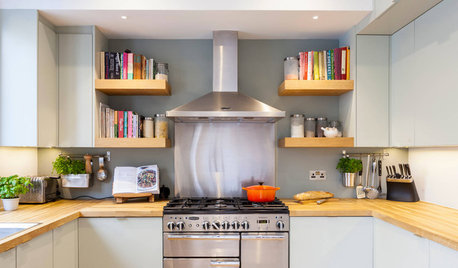
KITCHEN APPLIANCESWhat to Consider When Adding a Range Hood
Get to know the types, styles and why you may want to skip a hood altogether
Full Story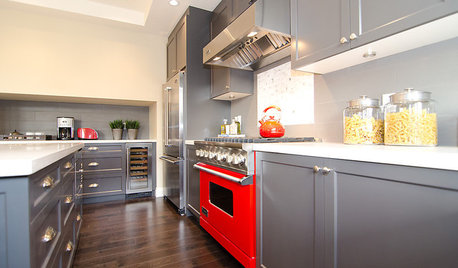
COLORCooking With Color: When to Use Gray in the Kitchen
Try out Trout or shake up some Martini Shaker gray for a neutral-based kitchen that whispers of sophistication
Full Story
LIFEWhen a Household Divides — How to Reinvent Your Home Style
Consider starting over an opportunity to discover yourself anew. Here, some insight to help you create a freshly inspiring home
Full Story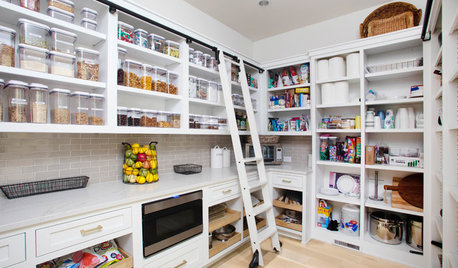
KITCHEN DESIGN9 Questions to Ask When Planning a Kitchen Pantry
Avoid blunders and get the storage space and layout you need by asking these questions before you begin
Full Story
sleevendog (5a NY 6aNYC NL CA)