

Wasps, wasps, wasp!
10 years ago
Featured Answer
Sort by:Oldest
Comments (41)
 10 years ago
Related Discussions
Wasps Eating Caterpillars
Comments (12)Hi Nicholas! Great to have you here with us. I'm sorry about what's happening to your Monarch cats. As the others said, there really isn't any way to prevent it other than bringing them into safe containers to raise. It's "The Circle of Life" ya know. One thing provides for another. I actually grow Tropical Milkweed from seed in pots each year, and if I get Monarch cats, I just put them onto the potted milkweed inside my rearing tent. To me, that's the easiest way. Monarch caterpillars are known for being piggies. Those guys eat sooooooo much. Next year, you could be prepared with lots more milkweed if you want to raise them. Good luck, and keep posting. :o) Angie...See MoreWasp Trap
Comments (6)Martin, thanks, and it sounds like we are on the right track. I found the text in google's cache, so can post it here. Could not find the images. I guess you just never know when a site might disappear. A couple of my efforts: New and improved 'shade flap' - patent pending original text: The trap is based on the principle that wasps are attracted by smell of sugary fruit juice and alcohol (wine dregs and ribena work well). Once inside the trap wasps fly upwards towards the light - which is the weak point in their behaviour. They rarely try to fly downwards to re-discover the entrance flap where they came in. MATERIALS NEEDED * One 2.72 litre plastic milk container * OR large P.E.T coke/ fanta/ juice bottle * 1 roll of BLACK (or light proof) duct tape * 1 SHARP stanley knife Note: P.E.T is the hard, shiny transparent plastic that large coke bottles are made from. P.E.T is the acronym for Poly Ethylene Tetrachloride (I think!) An alternative to this design is to cut the top quarter off a P.E.T bottle and invert the cut-off section to make a slippery cone for wasps to slide down. Staple in place with a household paper stapler. Only drawback is that this type of trap can fill with rainwater. TAPE THE CONTAINER COVER the bottom half of the milk container/ bottle in black tape - (any opaque duct tape will serve). This creates a light-proof area which will hold the liquid bait. When the wasps enter this dark box they instinctively try to leave by flying upwards towards the light. They cannot get out at the top but they rarely try to find the entrance slot down in the darkness below. CUT ENTRANCE FLAPS CUT THROUGH the duct tape and the plastic bottle to make LETTER BOX type hinged flaps - on all sides of the bottle. DO NOT cut off the flap to make an open slot. Leave the flap attached at the bottom so you can push it in slightly. SIZE OF SLOT - experiment - I find about 8 cm long by 1 cm high works well. The flap should be slightly springy - so wasps have to push their way in. SAFETY NOTE: Cutting through a shiny PET bottle can be dangerous if the knife slips - it takes a lot of pressure and good control. Be sure to TAPE the bottle first - tape gives the knife more grip and stability. Do not cut on your lap - use a table and cut away from your body. MAKE SCENT/ VENTILATION HOLES Pierce the top area of bottle and sides above the slots with a sharp point - (a dart or small nail is a perfect tool) - to allow the scent of fruit juice/ syrup to drift downwind. Make fifty or so small holes near top. Wasps are attracted to the scent trail and try to get in via the ventilation holes but can't. They very quickly explore and discover the hinged entrance flaps. MAKE YOUR WASP BAIT Fill the lower THIRD of bottle (in the darkness) with sticky fruit juice, (cheap blackcurrant cordial is ideal) coca cola, old wine, sugar syrup, a drop of vinegar etc. Old jam mixed with water works very well, A little rotten fruit-pulp helps: peaches, blackberries, apples etc. But don't use enough to create a floating raft for survivors. HOW IT WORKS Wasps smell the fruit-juice through small ventilation holes or via the hinged doorways. They enter via the letter-box flaps and try to get to the juice below. They are surrounded by darkness except above, so they fly upwards seeking the light. Eventually they fly into the liquid and drown. This is so effective that you must clear the bottles every few days or the mass of wasp bodies stops wasps drowning. Throw dead wasps on compost heap. Source: http://www.dartingtonhive.co.uk/wasptrap.html http://www.gallery.solarcastle.com/BuildYourOwnWaspTrap.htm...See Morewasp picture for size
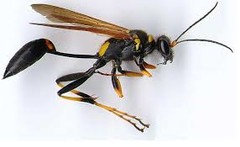
Comments (0)Lower hudson valley largish wasp can anyone ID please?...See MoreWasp Nest in walls
Comments (1)Seal the hole where they are coming in so they can't get in or out. My handyman used spray foam that is used for insulation....See More- 10 years ago
 10 years ago
- 10 years ago
- 10 years ago
- 10 years ago
 10 years ago
 10 years agolast modified: 10 years ago
- 10 years ago
 10 years ago
 10 years ago
- 10 years ago
 10 years ago
 10 years ago
- 10 years agolast modified: 10 years ago
- 10 years ago
- 10 years ago
- 10 years ago
 10 years agolast modified: 10 years ago
- 10 years ago
- 10 years ago
- 10 years agolast modified: 10 years ago
- 10 years agolast modified: 10 years ago
- 10 years ago
- 10 years ago
- 10 years ago
- 10 years ago
- 10 years ago
- 10 years agolast modified: 10 years ago
- 10 years ago
- 10 years ago
- 10 years ago
 10 years agolast modified: 10 years ago
- 10 years ago
- 10 years ago
- 10 years agolast modified: 10 years ago
 10 years agolast modified: 10 years ago
- 10 years ago
- 10 years ago
- 10 years ago

Related Stories
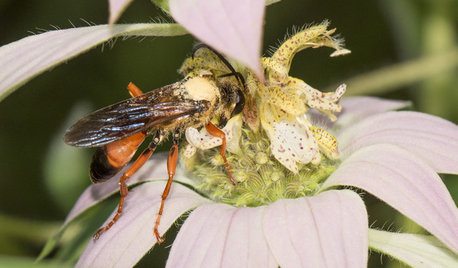
GARDENING GUIDESGreat Golden Digger Wasp: A Beneficial Flower-Visiting Insect
Introducing the great golden digger wasp, a colorful pollinator that also hunts foliage-eating insects
Full Story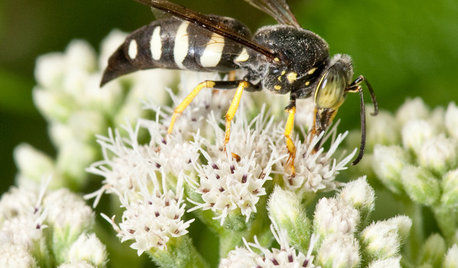
GARDENING GUIDESSand Wasps Keep True Bugs in Check and Help Pollinate Summer Flowers
Look for these solitary wasps nesting in sandy sites and foraging on flowers in July and August
Full Story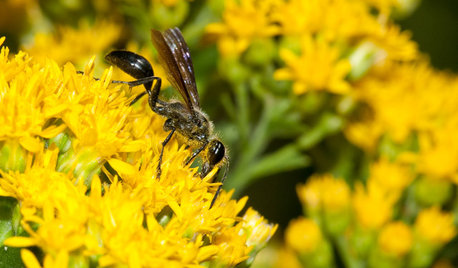
GARDENING GUIDESMeet the Grass-Carrying Wasp, a Gentle Pollinator of Summer Flowers
These fascinating insects nest in wood cavities and hollow plant stems
Full Story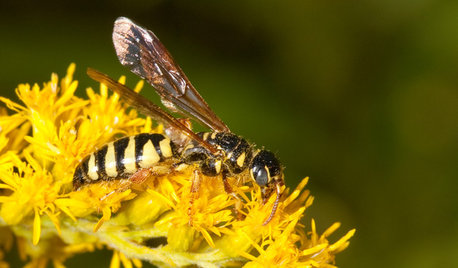
GARDENING GUIDESAttract Thynnid Wasps With Summer-Flowering Native Plants
These beneficial insects will hunt damaging beetle grubs in your lawn
Full Story
GARDENING FOR BUTTERFLIESGarden for Wildlife to Reap Rich Rewards
When you plant with animals and insects in mind, you make gardening easier, the planet healthier and yourself more present
Full Story
GARDENING GUIDES6 Plants That Beat Butterfly Bush for the Wildlife Draw
It's invasive, a nonnative and a poor insect magnet. Check out these better alternatives to butterfly bush in the garden
Full Story
GARDENING GUIDESGreat Design Plant: Spotted Beebalm (Monarda punctata)
Looking for unusual, long-lasting blooms, low maintenance and deer resistance? Try this self-sowing perennial
Full Story
GARDENING GUIDESGreat Design Plant: Solidago Flexicaulis Colors the Fall Shade Garden
Plant zigzag goldenrod in eastern U.S. gardens for its bright yellow flowers and tolerance of a broad range of conditions
Full Story

FURNITURESecond-Life Sofas Show First-Rate Style
With unexpected upholstery, antique sofas can live happily in modern interiors
Full StorySponsored
Annie Deighnaugh