

Native plants for very dry,very deep shade.
10 years ago
Featured Answer
Sort by:Oldest
Comments (18)
 10 years ago
Related Discussions
Very new to flowers want to plant some in partial shade
Comments (5)Try posting this in the California Gardening forum as well. Include some more specifics as to location and soil conditions also. You'll get a lot of very specific, locationally appropriate results, including the use of native plants. And because most of California is under extended drought conditions, you'll likely get a lot of low water use suggestions as well. It wouldn't hurt to make a visit to a couple of local nurseries/garden centers also. Most have their stock separated as to planting conditions (sun, part shade, low water, etc.) and the staff should be helpful in suggesting appropriate plants for your specific situation. And you'll see the range of choices available :-)...See MoreShade and sun, where to plant native berries
Comments (20)I, too, am a planted native of Western WA. Throughout my childhood and youth, I foraged for berries all over Western WA. Now, in my own garden, although the majority of my plants are non-native, I have a lot of native plants interspersed here and there, that have volunteered and that I have nurtured, including both red and evergreen huckleberry and oregon grape, trilliums, etc. I have had all the berry plants growing in everything from complete shade to lots of sun. From my berry picking days, to my own plants, I can tell you that, even though they will grow in the shaded understory of the forest, the plants that produce the most berries, by far, are the ones that get more sun, and the more the better. This holds true for the flowering currents. As a berry picker, you always try to find a good thicket at the edge of the woods, with an eastern exposure. They really like several hours of morning sun. Sun exposure between 2 and 4 pm can kill young plants, but once established they can take that as well, if watered properly. I have a volunteer evergreen huckleberry growing out of a log in my back yard, in full sun, that is happy as can be. It gets enough water, because it's near a hardy fuchsia. A caution on fireweed (if that is what it really is). I have lived in Alaska, also, where it could almost be the state flower. It is a root runner and can be quite invasive, especially here in WA, where it doesn't get the winter cold to keep it in check. Salal, also a native, is also a root runner, but it is very hard to get established, if not growing there naturally. I have known people, whose yards are backed by a large forested area, that absolutely hate it. Regarding soil....all our native plants do like a highly organic, slightly acid soil. I have extremely light, sandy soil, which dries out very fast in the summer. My success with the natives has come from giving them a good, deep mulch of medium shredded bark, with fines in it. In the years I don't mulch I can really tell they are not happy. Good luck!...See MoreShade plants that are best for wildlife? Native prefered.....
Comments (1)This is already posted in the woodlands forum as well as the native forum. I don't think you need to post it here as well (this is not a very active forum anyway). Good shelter plants include evergreens like eastern red cedar (which can take some shade). Another solution is a brush pile - a loose collection of large and small branches and leaves. I have several of these in my garden - a great way to recycle and help wildlife. The link posted on the native forum was very helpful and those are some great links on the referenced site. I wouldn't begin to single out any plants when you can go through those lists....See MoreShade plants that are best for wildlife? Native prefered.....
Comments (11)I have a highbush cranberry tree that is about 12' high. I dug it up from a few blocks away and dragged it back to my woodlot backyard and planted it last fall. Despite all the trauma it experienced it has done superbly and presented the birds with tons of bright red berrries that the birds will enjoy when the winter is here. We also have a mulberry, several serviceberry (great shrubs/trees... beautiful white blossoms, berries that start out red and turn bluish black as they mature and the birds go nuts for them) and the ground cover is mostly Blue Cohash which the birds go absolutely crazy for in the fall. We just moved here last fall and the woodlot had to be cleared of dense Garlic Mustard and Oriental Bittersweet which has taken us 2 seasons to do. We expect at least one more season of dense Garlic Mustard but in the mean time we have planted lots of native ferns, various coloured trilliums, jacks etc.. and I went on a berry hunt this fall and strew about loads of Blue Cohash seeds to help take over where the Garlic Mustard has been taken out. As for more species for the birds (our family are avid birders), you could try SweetGum (awesome trees with very strange seed pods), Tulip Trees (nectar), Dogwoods, SpiceBush (this is our next bush to go into the woods... they grow in large groups so we will plant a large stand of them next spring), any of the cherry species like "Pin Cherry" will attract birds and are at least native in my region (southern Ontario) and we have several 60' as well as tons of saplings. Sassafras are good for fruit as well. *sigh* so many cool plants and so little money ;o) Barb Southern Ontario...See More 10 years ago
 10 years ago
 10 years ago
 10 years ago
- 10 years ago
- 10 years ago
- 10 years ago
 10 years ago
- 10 years ago
- 10 years ago
- 10 years ago
- 10 years ago
- 10 years ago
- 10 years ago
- 10 years agolast modified: 10 years ago
- 10 years ago

Related Stories
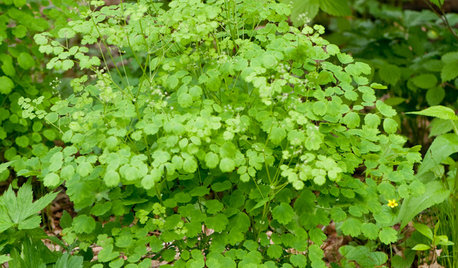
GARDENING GUIDESGreat Design Plant: Thalictrum Dioicum Thrives in Dry Shade
Plant early meadow-rue in eastern U.S. woodland gardens for its tolerance of dry sites and shade
Full Story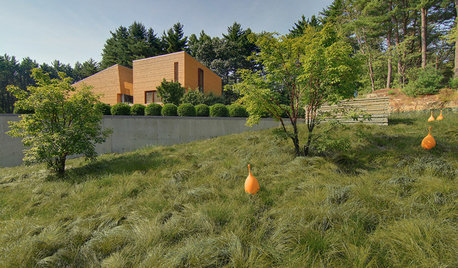
FLOWERS AND PLANTSCarex Pensylvanica Fills the Void in Dry Shade Gardens
Plant Pennsylvania sedge in eastern U.S. woodlands or dry shade gardens for spring flowers and softly textured bright green leaves
Full Story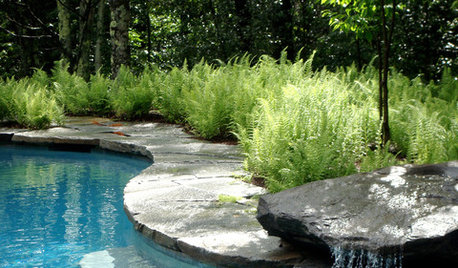
GROUND COVERSNative Alternatives to English Ivy, Japanese Pachysandra and Periwinkle
These shade-loving ground covers are good for the environment and say something about where you are
Full Story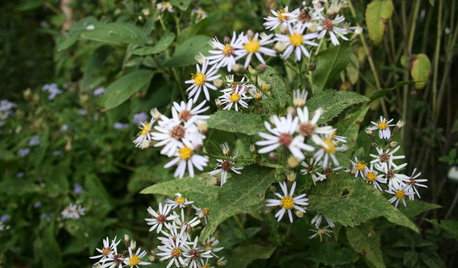
GARDENING GUIDES6 Native Ground Covers for Tough, Dry Spots
Sun beating down on your sandy gravel? Thick shade darkening your clay soil? There’s a ground cover here for you
Full Story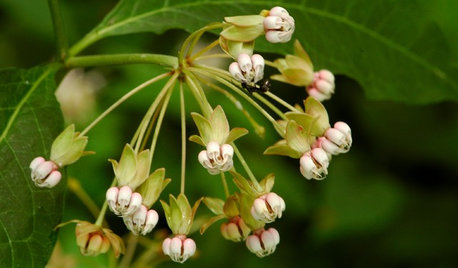
GARDENING GUIDES5 Unsung Wildflowers That Thrive in Dry Shade
Turn shady problem spots into garden idylls with with these prolific, easy-care bloomers
Full Story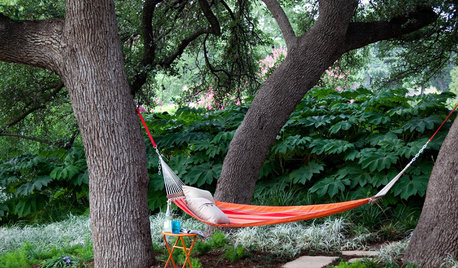
GARDENING GUIDES8 Essential Native Shade Trees for the U.S. Southeast
These beauties provide cool shade in the summer and easily withstand the heat and humidity of the South
Full Story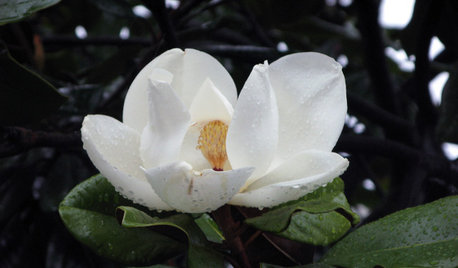
TREESGreat Design Plant: Southern Magnolia, Iconic U.S. Native
Massive, fragrant blooms and deep green leaves set Magnolia grandiflora apart from other large shade trees
Full Story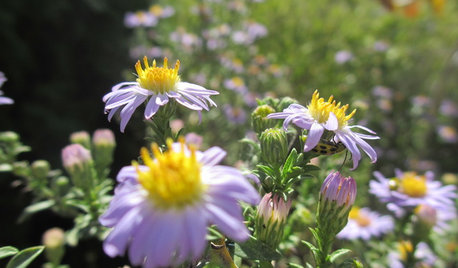
NATIVE PLANTSPlant These Fall-Flowering Natives in Early Summer for Pollinator Love
These 3 groups of plants will support masses of beneficial insects come autumn
Full Story
GARDENING GUIDES15 Native Flowers That Feed Native Bees
These perennials offer superfood to hundreds of bees and are gorgeous in their own right
Full Story
GARDENING GUIDES9 Clay-Busting Native Flowers for Summer Sun
These plants survive and even thrive in tough clay soil east of the Rocky Mountains
Full Story
More Discussions
wantonamara Z8 CenTex