

Garden Ethics in a Time of Climate Change
10 years ago
Featured Answer
Sort by:Oldest
Comments (9)
 10 years ago
 10 years ago
Related Discussions
Article: Climate Change on Plants
Comments (1)It's sad how hard and uncaring people are on our planet....See Moreblackspot and climate changes
Comments (16)Sammy, Florida has a huge blackspot problem because of the warmth and humidity. My friend Harold says it's impossible not to spray in their region. They have problems with blackspot and a particular nematode which will kill every single one of their roses unless they are grafted onto Fortiana root stock. What blackspot doesn't afflict is the dry, arid and hot zones of California and Arizona. I still say that one shouldn't water the leaves if one can help it. Sammy, do you experience wilt leaves if you stop watering the leaves and just water the roots? Have you ever tried this? or have you always kept on watering the leaves. You might try an experiment--2 same-type roses. One with the watered leaves and one without. You see I did a similar experiment to assess Vitamin B1 root nourisher versus my Gardenville Sea Tea. I had identical transplanted lavender plants in the same soil. One I gave Vitamin B1 nourisher and the other I gave sea tea. The Vitamin B1 did very absolutely nothing; the Sea Tea created a boom in growth, vitality and number of leaves. The only way is to do controlled experiments in one's own garden. I have 2 identical Lincolns, same soil. Next spring I will do 2 different kinds of foliar feeds to see which one is the most protective against the blackspot. I think what Maureen is saying is that keeping leaves dry is pointless if one has bunches of rain anyway. But! what both articles say is that if you keep the leaves dry as much as you can possibly control-- that indeed will keep the blackspot from spreading. Dew, Maureen does not count! Dew only lasts briefly, about one hour and as soon as the sun rises it dries! Dew will not cause blackspot because it dries so quickly. Blackspot takes several hours of wetness before it starts to spread. Both articles really stress that it is important to keep moisture away from the leaves as much as possible. There are certain things you can't control. If it's gonna keep raining for days, you will get the blackspot. The article gives specifics on the hours in between that blackspot will take to spread. Whether it be a span of greater than 7 hours of dryness (blackspot won't spread). However! if you have a resistant variety of rose, the slower the spread of the blackspot. If you combine watering the leaves then a few hours later it rains, you are actually increasing the time of wetness, making it opportune for the blackspot to have its ideal conditions....See MoreClimate change, right here at home
Comments (48)OK, I guess I need to explain this a bit better. My point of the record snowfall on Christmas Day was that there was one day out of 100 years that the media, and other humans, seemed to think was important. You are correct, there is nothing really important about it. I think that all would agree that in the grand scheme of things, it really doesn't mean anything. Likewise, the climate change / global warming people are trying to do the exact same thing on a larger scale. Rather than pointing at one day in a 100 years, they are looking at one decade in 100 years. Don't you think, in the grand scheme of things, it would be much more scientific and honest to look at something on a similar scale? 1 day in 36,500 days or 10 years in 36,500 years? As far as the quotes, again, I was trying to demonstrate that the media is making a big deal of a one day event. This are all quotes from Denver's Channel 7 web site, www.thedenverchannel.com They are not anything I made up. Again, another example of sensationalism. As far as being bold, I'm not sure where that came from. I'm not trying to be bold, I'm trying to make people think for themselves. Things rarely happen in this country (this world) unless someone is out to make a buck. When recycling was all the rage, there were a lot of people out there willing to pay extra to 'save the planet'. Pay extra for what? Let's look at an example of this. You pay someone to recycle your newspaper. The trash company sells / pays some recycler to take it away. You buy products made from recycled paper, and if it is labeled as 'green', you can bet you will pay more for it, even though it cost less (in processing and environmentally) to produce than paper goods made from virgin paper or wood pulp. (Compare prices between paper towels at the grocery store.) As far as who is making money on the global warming / CO2 credit / CO2 exchange hype, take a look at Al Gore's site: http://www.climatecrisis.net/takeaction/carboncalculator/ Calculate your carbon footprint, and then go offset it by clicking on the text "OFFSET AN AVERAGE HOME or CAR NOW". It takes you to http://nativeenergy.com/pages/an_inconvenient_truth/29.php?afc=climatecrisis where YOU can PAY THEM $28 / month for THEM to use methane from a cow manure digester at THEIR dairy to heat and electrify THEIR farm. If you believe so strongly in this, how about paying me to grow some trees that I can donate to my town? It covers your carbon footprint, helps out the earth, makes me look good in the eyes of my community, and I can take the donation off on my taxes as a charitable contribution. Honestly, it's more effective than some of the other schemes out there that are being run by parent companies of logging companies who are convincing people to buy carbon credits, and then the companies replant clear cut areas in the Pacific North West. Another way of looking at this is to make people feel guilty about some problem (imagined......See MoreClimate Change and USDA Hardiness Zones
Comments (2)I think if you dig a bit further back, the older map may be similar to the latest map. 1990 may be a bit skewed by 1983 and 1989 'Super' freezes when it was very cold in the single digit temperature in north Texas (I can recall how cold it was in Houston at that time). Since I moved to Dallas area in 2001, the coldest I've ever seen was 14*F, the only time it went below 20*F that I can recall. I don't understand what USDA is trying to do. Maybe they're being extremely conservative or cautious. Winter events like 1983 or 1989 could strike any year....See More- 10 years ago
- 10 years ago
- 10 years agolast modified: 10 years ago
- 10 years agolast modified: 10 years ago
 10 years agolast modified: 10 years ago
- 10 years ago

Related Stories
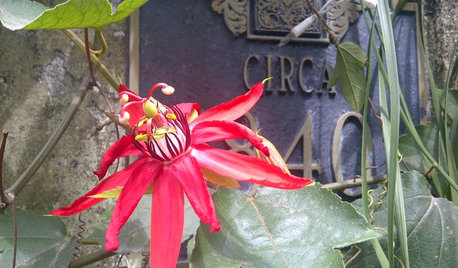
FLOWERS5 Sensational Flowering Vines for Warm Climates
Splash your garden with bright tropical color from late summer through fall with these showy trailing and climbing beauties
Full Story
LANDSCAPE DESIGNCelebrate a Sunny Climate With the Right Leafy Palm for Your Site
So you get freezes or floods. So your garden is small. These palms send excuses riding off into the tropical sunset
Full Story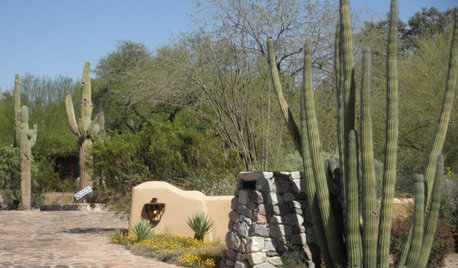
SOUTHWEST GARDENINGUnderstanding the American Southwest's Three Main Climate Zones
If you live in one of the arid or semiarid regions of the U.S. Southwest, this gardening zone guide is for you
Full Story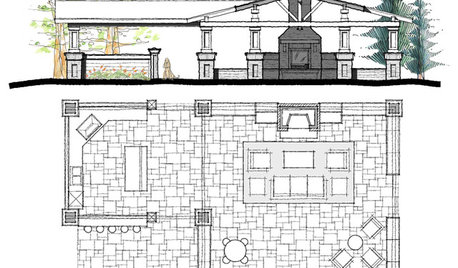
LANDSCAPE DESIGNClimate Control: Work With Nature's Elements for the Best Outdoor Space
Consider sun, wind and water where you live for a deck or patio that's as comfortable as possible all year long
Full Story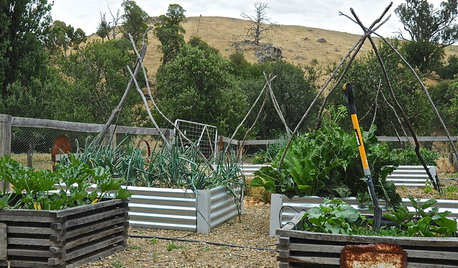
FARM YOUR YARD9 Ways to Change Up Your Vegetable Garden for the Coming Season
Try something new for edible plantings that are more productive than ever
Full Story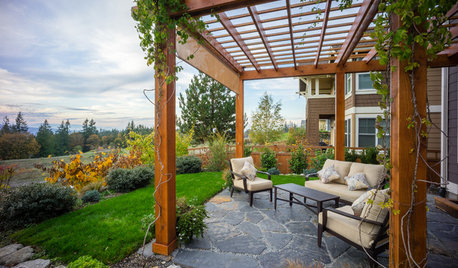
FALL GARDENINGWhy Fall Is the Best Time for Planting
Spring is overrated for planting. Starting plants in autumn has advantages for both garden and gardener
Full Story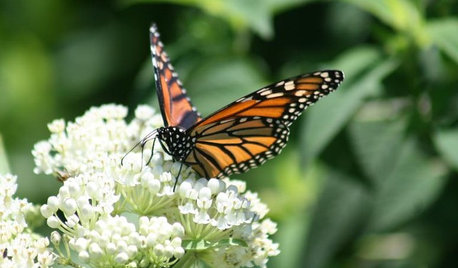
GARDENING GUIDES7 Ecofriendly Gardening Ideas That Also Cut Chore Time
Spend less time weeding, less money watering and more moments just sitting back and enjoying your healthy garden
Full Story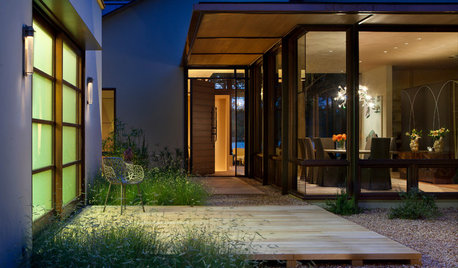
LANDSCAPE DESIGNDesign Solutions for the Time-Strapped Gardener
Landscaping for easy maintenance can help make your garden more manageable — and pleasurable to be in
Full Story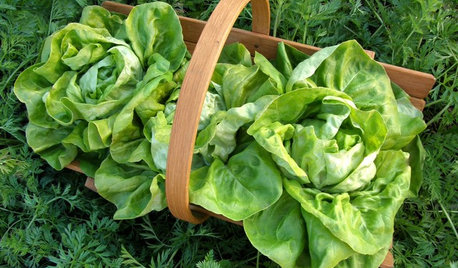
GARDENING GUIDES10 Easy Edibles for First-Time Gardeners
Focus on these beginner-friendly vegetables, herbs, beans and salad greens to start a home farm with little fuss
Full Story
EDIBLE GARDENSWhy Grow Quince? For Beauty, Fragrance and Old-Time Flavor
Delightfully perfumed fruit and lovely spring blossoms make this apple and pear cousin worth a spot in the garden
Full StorySponsored
docmom_gw