Do you watch nature/wildlife shows?
10 years ago
last modified: 10 years ago
Featured Answer
Sort by:Oldest
Comments (22)
- 10 years ago
- 10 years ago
Related Discussions
Want to Combine Cottage Gardening with Nature (Wildlife) How?
Comments (17)I didn't have much time to write about this, so here's how we attract and keep the wildlife. I have a mass planting of the verbena bonariensis that I planted just for our goldfinches. They love it. Right now, the bees are in a total frenzy on all of the hypericum blooms (St. Johns Wort). Previously, it was the lavender and nepeta. For the butterflies, I have bronze fennel, parsley and milkweed planted as host plants. My milkweed hasn't bloomed, so it hasn't been used as a host. I have lots of food source for them through flowers. We have a birdbath that where we keep wet sand for a beach for them. For the hummingbirds, I have penstemon, monarda and agastache scattered throughout the entire garden. I have a grouping of salvia red Navajo, which they really love. There are many other plants that they like, too. One of the guys watches me refill the feeders and will beg when they are empty. He buzzes me quite often when I'm outside. He has a favorite branch in our willow tree where he sits when we're on the front porch. Frogs, both tree frogs and bullfrogs, live in our manmade stream in the garden and the natural creek in our woods. We have toads throughout the garden. The geckos follow us around the garden and sun themselves on our stone foundation, steps and porch. We have bluebird houses throughout our neighborhood and we have them on our property as well. We have shrubs that serve as shelter and our property is also bordered by acres of woods on two sides. They are particularly fond of our wax myrtles (plant them away from the house because the scent isn't good) and hollies. They like to hang out in our willow trees to scope out the garden and get in line at the birdfeeders. For some reason, they love our clump bamboo, so as it grows larger, I'm wondering if it will become a home. We also have open meadow which attracts mourning doves (who also walk around our garden paths all the time), rufous-sided towhees, meadowlarks, robins and bluebirds. There are several woodpeckers who visit our feeders. The goldfinches are the most common in our garden. The carolina chickadees also hang out and get very close to me (they know who supplies the food, I suppose). Yes, I'm a crazy lady who talks to all these critters who are hanging around me all the time! My son thought I was crazy, but after working in the garden with me during his spring break, he started talking to the critters, too! :-) Lastly, we have the cute, but destructive deer and squirrel population. A doe had her fawn in the woods next our house last year and she did the same thing this year. They aren't afraid of us, or our greyhound. Here's the latest addition (taken in the rain and 15x zoom, so it's fuzzy):...See MoreDo you have to sacrifice 'attractive' to grow for wildlife?
Comments (59)Hello.... :-) I was searching for something and came across this old thread. I thought it would be nice to update a little. I recently created a spreadsheet to do an inventory of all the plants in the garden and I just counted out that I have 54 different native plants now. Not individual plants, because I have more than that, but 54 different kinds. Here is a review of what I have and how I feel about it, five years later.... Amelanchier has not done well for me, I don't understand why. I moved it twice but it does not perform. The winter moths do a good deal of damage every year to two shrubs, but even the tree I planted, seems to be diseased. Odd. Asclepias incarnata....I had to remove it. It was reseeding and coming up away from the original location. I also found that I just don't have a large enough area to do a good job of a sunny border. My garden is mostly part shade and shade. I love my native ferns and asters. Native azaleas have yet to perform, but have not been in the ground very long. I have one Baptisia australis and I love it. Very easy, very dependable and very attractive when in bloom. Lobelias have been performing well and although I am hoping they will attract hummingbirds, haven't seen one yet. Callirhoe from seed three years ago, this year looks like it will really be great. It's only the end of March and it is full of pretty new leaves. Clethra 'Hummingbird' ...a cultivar, but I really enjoy this every year. Fragrant, with very pretty leaves that always look great. That brings me to the Cornus racemosa. Oh boy. That was a mistake. I was inspired by Elaine's description of hers and I had no idea it was going to sucker and spread like this. It also has not bloomed or fruited in the four years it's been growing. It did amaze me how quickly it grew. It is already 8ft tall. It is large already from a small start. But I'm not sure it is going to work out. I really wonder how far away from the trunk this shrub will sucker. Every year it has traveled. I pulled them up the first year, but that barely slowed it down and I can't keep up with pulling them all every year. I like the shrub and if I had more room, it would sucker into a nice hedgerow. If I had more sun, maybe it would flower and fruit? I have a Viburnum carlesii right next to it that blooms, so I don't understand it. Unless you need a pollinator? LOVE my Hydrangea quercifolia ! I had to move mine a couple of times to find the right location but they are enjoyable at every time of year. Hydrangea arborescens are only two years old, but I am already liking those too. I've been disappointed that some of the spring natives have not increased very much, Mertensia, Tiarella, Uvularia, Trillium, Phlox divaricata and Iris cristata. One of these days they will I suppose. Last fall, I added Maidenhair Fern, Blueberry Bushes, Arctostaphylos, Gaylussacia, and Leucothoe. So it will be awhile before I know how those do. I tried Lilium candense and they didn't come back the second spring, which surprised me. Lindera benzoin has underwhelmed me and so far I have not seen any butterflies using it. I tried a native Lonicera and it did not bloom and died out. A hybrid, called 'Orange Mandarin' did just fine and is still there. I started Viola labradorica from seed and that has seeded itself around a little more than I would like, so I am keeping my eye on it. So...that is the basic review of the progress I've made so far. I have made many trips to New England Garden in the Woods and I'm always on the look out for native plants. :-)...See MoreDo you watch cooking shows on tv?
Comments (38)If Indiana is right in the heart of the Midwest, then I must be living on the west coast. Better start learning the language. "Gag me with a spoon"? And why go crazy because someone uses more salt that you want? Don't you think you could, let's see. hmmm, maybe use less?? Recipes are guidelines, not hard and fast rules. Recipes will often vary, even when followed to the letter depending on a number of variables. I seldom follow a recipe to the letter since I might not happen to have the free range grapes, cage free milk or organic Vanilla Wafers that Marco Pierre White's recipe might call for. I often will add spice I like and tone down or eliminate what I don't like. Amish/Mennonite, etc cooking has a lot of crossover with what some people term "Midwest" cooking. If you consider Indiana "midwest" then I exempt this from consideration. However the midwest of the United States are generally or at least were, big farming areas and Amish/Mennonite, etc were also big farmers. Meat, potatoes, bread, coffee, milk, dessert was your typical farm fare. The midwest didn't use much in the way of rice however certain areas, including the upper midwest would have wild rice available and that could be included in the later menus. Native Americans of course used wild rice much more heavily than many others until others found out how great it is. Actually you'll find a lot of crossover in German, even Russian and certain other ethnic types of foods when they're living in a colder climate and doing a lot of hard work, but then again considering the number of Scandinavians. Germans, etc who populated the area, it shouldn't be a surprise. But the food changed to adapt to what's around. You won't go to Norway, Sweden, Germany, Russia, etc and find the same things. Just as "cajun" or "creole" won't be found in France, and probably not much in the French areas of Canada. As Annie said, hearty meals were needed for the heavy workload on a typical farm. You'd rise early and work late and burn a lot of calories. Actually what many people term "comfort foods" is quite common among both the A/M/etc and midwest farmers. You won't find finger sandwiches, consumme or sushi on these menus. You will find hearty soup, stew, roast, meatloaf, pasta and much much more. You'll also find a lot of pies, cakes, cookies and rolls. You'll find great breads, rolls, etc. Around here, mac & cheese is essentially baby food. A blue box and a package of Corn King hotdogs fed many a toddler by a new mother. Never could stomach mac & cheese. No meat, why bother. Watching Cookin' Cheap is different. Two gay guys doing their "cooking" and then dressing in drag to show a gadget of some sort. A pickle slicer, nut cracker or whatever. The "Cook Sisters". Initially it was to show people you could cook cheap. They'd figure out the cost of something and figure per portion. Although if they had a leftover from something before, they didn't include it in the price and would come out with 58¢ per person "meals". One thought he knew how to cook and the other admitted he knew nothing but would try anything. They both fancied themselves far better standup comedians that I would. Watch it sometime, it's, well, different. I wouldn't say it's funny very often, but entertaining usually. Actually hotdish for the food, (and go ahead and debate "food" if you're a Miracle Whip snob) and "hot dish" describes the ladies cooking or the temperature of the plate. Scalloped potatoes and ham is a type of hotdish. Marilyn's Party Potatoes, sometimes called "funeral potatoes" is a hotdish, etc. People stick out their tongues and stick their noses in the air over foods. Yes, some will be a can of cream soup with a can of something and a package of onion soup mix. But then again, people buy "blue box", TV dinners and produce from Walmart for cryin out loud! LOL Contrary to what a couple of you believe, not one of the terms hotdishes, A/M/etc or midwest cooking mean all from a can or a pouch. It can and often is made from scratch. The shortcuts are more publicized since it's a timesaver and many people who hit the net want to save time. I would defy most anyone to have tasted and claim they didn't like the scalloped potatoes and ham that was served at my aunt's funeral, or for that matter the roast beef and mashed potatoes served at my cousin's funeral or any of my mother's holiday meals, all made from scratch. I'll take that any day over foo-foo food! Or for that matter the Tex-Mex you get at Taco Bell, or the seafood from Long John Silver, or should I continue... Back to topic, a couple other shows I enjoyed watching included the Galloping drunk, er, Gourmet though never really learned much from his shows. When Andrew Zimmern was a local cook he was interesting to see on the local channels before he decided to concentrate on bugs and exotic roadkill....See MoreWill you be watching Oprah's final shows?
Comments (48)I just finished watching her final show, I found it not boring at all; it was a recap of what her 25 years have been and it was like reading a book of lessons in life, I've read my fair share of spiritual and self help books and even at 59, I struggle with certain issues and wonder when I'll ever really "get" it. She gives me hope to keep at it and be what I can be, to find my meaning in life. Oprah said it all, in a humble and loving way, I personally do not doubt her sincerety. She's no different than she was 25 years ago, down to earth and wiser than she was then, and certainly richer ( good for her) but she gives credit to everyone she's learned from, it's the essence of what shaped her. She's a true succcess story in my book, one of a kind....See More- 10 years ago
- 10 years ago
- 10 years ago
- 10 years ago
- 10 years agolast modified: 10 years ago
- 10 years ago
- 10 years ago
- 10 years ago
- 10 years agolast modified: 10 years ago
- 10 years ago
- 10 years ago
- 10 years ago
- 10 years ago
- 10 years agolast modified: 10 years ago
- 10 years ago
- 10 years ago
- 10 years agolast modified: 10 years ago
- 10 years ago
- 10 years agolast modified: 10 years ago
Related Stories
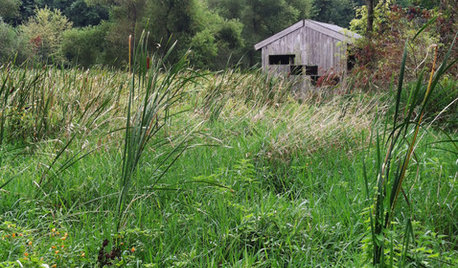
WINDOWSOpen a View to Your Backyard's Wildlife
Enjoy an eyeful of birds, deer, chipmunks and other creatures with natural outdoor habitats that include a hidden vantage point
Full Story
GARDENING AND LANDSCAPINGBe a Citizen Scientist to Help Wildlife, Learn and Have Fun Too
Track butterflies, study birds, capture stars ... when you aid monitoring efforts, you’re lending Mother Nature a hand
Full Story
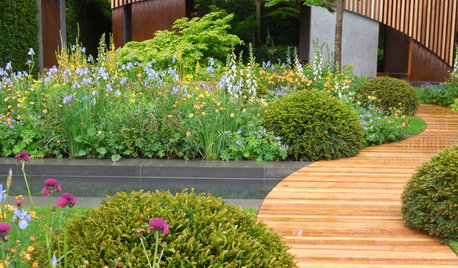
INSPIRING GARDENSAt the Chelsea Flower Show, a Jewel-Colored, Wildlife-Friendly Garden
Take a tour of this gold-medal-winning garden designed for community and wildlife to coexist and flourish
Full Story
INSIDE HOUZZData Watch: Houzz Renovation Barometer Shows a Return to Normal
The majority of home renovation professionals report that business activity has returned to pre-recession levels, though challenges remain
Full Story
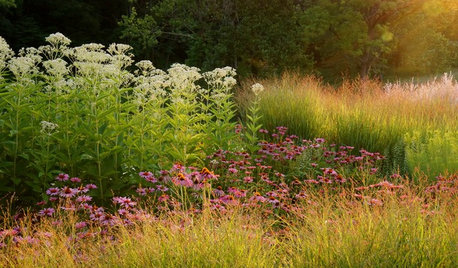
GARDENING FOR BUTTERFLIESGarden for Wildlife to Reap Rich Rewards
When you plant with animals and insects in mind, you make gardening easier, the planet healthier and yourself more present
Full Story
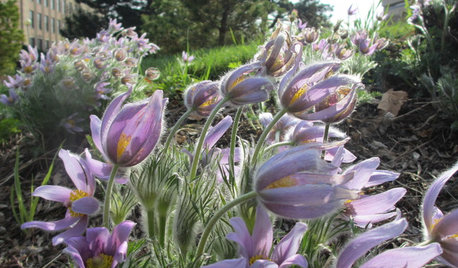
GARDENING GUIDES6 Plants That Beat Butterfly Bush for the Wildlife Draw
It's invasive, a nonnative and a poor insect magnet. Check out these better alternatives to butterfly bush in the garden
Full Story
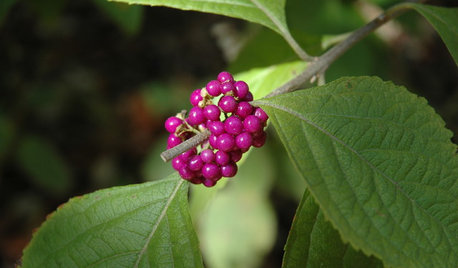
GARDENING GUIDESGreat Design Plant: Nourish Wildlife With American Beautyberry
The bright purple berries of Callicarpa americana feed winged beauties and make the Southeast U.S. native a fall garden standout
Full Story
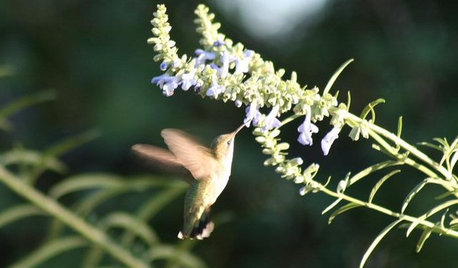
GARDENING FOR BUTTERFLIESA Quick-Start Guide to Bird-Watching for Fun and Learning
Set out some seed and grab your field guide. Bird-watching is an easy, entertaining and educational activity for the whole family
Full Story
PLANTING IDEASGarden Design for Wildlife and Less Work
Looking to nature for inspiration can invigorate our suburban landscapes
Full Story
GARDENING GUIDESGreat Design Plant: Wildlife-Loving Dwarf Fothergilla Blazes in Fall
Its bottlebrush flowers attract bees and butterflies, while its stunning orange and scarlet foliage draws all who pass by
Full Story

bob_cville