

Menopause lasting long long time
10 years ago
Featured Answer
Sort by:Oldest
Comments (13)
 10 years ago
- 10 years ago
Related Discussions
Phosphorus lasts a long time in soils
Comments (0)The linked article talks about how long Phosphorus can remain in soils in a high rainfall tropical area. This does apply to growing roses in soils and the potential for overapplication of Phosphorus which just doesn't go away with rainfall. Here is a link that might be useful: a Mayan marketplace...See MoreWhat blooms blue and lasts for a long time?
Comments (16)In this picture dwarf blue delphinium (butterfly blue), and blue globe thistle in back. I don't mulch this bed and originally planted one delphinium. You can see it reseeds, which I like. Sometimes in lighter shades also but true blue. It has a very long bloom season. One plant is still blooming and we have had a couple of light frosts. I also like salvia black and blue and salvia blue spires (not hardy to my zone). I haven't been able to over winter it here but am attempting this year in a more protected spot and mulch. If not I will purchase again--its worth it. I also have the tall blue delphinium. As mentioned silver foliage looks great with blue. Lambs ear, artemisia and lungwort "Diana Clare" which has blue flowers in spring....See MoreA treat I have not had in a long, long time
Comments (6)Last night Lauren and I went shopping and I picked up some oysters. Was going to bread and fry them when I was home alone but then Lauren said something about wanting some too. Then I thought about the yummy oyster casserole I got a recipe from years ago from a co-worker. I may have to go back for the other ingredients and make it....See MoreStory time: How long does a Samsung TV last?
Comments (29)Wow, what a bunch of mis-information in a single comment. I normally would leave it at this, but I don't want people to search the archives and get confused. A plasma TV's temperature is not an indication of lower energy efficiency. Temperature isn't an indicator of energy efficiency, but heat output very much. Any energy consumed by the device has to be released somehow, either as mechanical energy (not applicable for a device that doesn't have a motor), as light energy (a smaller percentage, even for a TV), or as heat (the bulk of the energy). As this is hard to quantify, I looked at watts/h instead. That's the definition of energy efficiency. And with the exception of really small screen sizes, plasma TVs are consistently a lot more wasteful than any modern technology. [ Lots of hand-wavy vague discussions how TVs are complicated. ] If anything, the reverse is probably true. Older TVs had tons and tons of discreet parts, whereas modern TVs are highly integrated and frequently only have a very small number of highly integrated components. This has been a general trend and explains why TVs can be built so much cheaper today. Just to put this into perspective, if you look at the size of a settop box from only about 15-20 years ago, it was the size of a small shoe box, and it probably cost on the order of $100. Today, the equivalent device is the size of a USB stick and costs on the order of $20 -- and it probably does a lot more, too. You'd observe the same thing, if you opened up a modern TV. Very little electronics that are left in there. I have a hard time finding a tear-down of a modern TV, as it simply is so boring that nobody wants to document it. But here is one for a 4 year old model: https://www.ifixit.com/Teardown/Changhong+UD42YC5500UA+4K+42-Inch+LED+LCD+TV+Teardown/64167 Notice how little there is to making a TV. [ Statements equating weight with quality. ] The bulk of the weight of a plasma TV came from the insanely heavy front glass panel that is needed to build all the plasma cells. That simply isn't necessary with LCD or OLED technology and explains both the smaller depth and the much reduced weight. And while weight isn't really an indicator of quality, being lightweight is a real advantage for many consumers. A modern TV can easily be hung on the wall, but a plasma TV is almost impossible to mount that way. That also partially explains why larger format plasma TVs never took off in the market. Nobody would be able to carry a 90" plasma TV without hiring professional movers. [ Then OLED and QLED came along and completely solved that problem by using multiple different layers of TV panels within a single TV panel. ] What a bunch of crock! There is no such thing as multiple layers of panels. A plasma TV had an array of pixels that had alternating colors of phospors in front of each adjacent plasma cell. A LCD (that includes QLED) panel has a white backlight and alternating color filters in front of each adjacent LCD pixel. An OLED display has alternating colors of adjacent organic LEDs. Do you notice a pattern? Exactly! It's all a similar design of differently colored pixels right next to each other. But some of these pixels are more efficient than others. OLED are by far the best approach, but they are costly to manufacture. LCD is cheap to manufacture at scale, is lightweight and very thin, and color quality is close enough when using a good backlight and good color filters. This is where QLED comes into the picture. The idea of FullHD is an illusion. The human eye cannot process the colors that "FullHD" purports to put out onto a TV screen. I really hope that was a typo. FullHD has absolutely nothing to do with colors. But yes, there are difference in color gamut and in dynamic range. Historically, that was one of the areas where plasma had a distinct advantage. It used to have a much better dynamic range than LCD technology, only OLED was equivalent (or better). But OLED didn't really exist as a viable consumer product at that time. Color gamut is the big elephant in the room though. Traditional standard definition TV has a really narrow color range, and that's really noticeable when compared to film. These days, you can get a similar visual experience, if your TV is HDR capable, and if the source material includes the necessary information. In general, this is only available for 4k-enabled systems. So, independent of resolution, 4k does bring important picture improvements. And even if you no longer have 20/20 vision, most people will easily be able to tell the difference between standard and high dynamic range. All of a sudden, details in dark scenes are possible to be made out without washing out bright spots in the same scene. A good starting point to learn more about high dynamic range and color gamut is https://en.wikipedia.org/wiki/High-dynamic-range_video Make sure to click on the links though. There is a lot more information hidden on Wikipedia that is relevant to this topic. The human eye can only process at most, 480p It should be self-evident that this statement is obviously incorrect. The human eye doesn't have a fixed resolution in pixels. It does have a limit though as to what the smallest detail is that it can discern. This means, the closer you sit to the screen the more pixel you can discern. But nobody sits a foot away from their screen. In fact, because of our limited field of vision, there are guidelines how far away you should sit given a particular screen size. In practice, many people sit back a little more than the optimal distance. The average distance from the screen in the US is about 9 feet. For people with normal 20/20 vision and with a normal ~50" screen, that means that can easily distinguish between 480 scan lines, 720 scan lines, and even 1080 scan lines. But most of us wouldn't be able to tell the difference of 2160 scan lines in a 4k image. But don't take my word for it. Have a look at this very informative Wikipedia article: https://en.wikipedia.org/wiki/Optimum_HDTV_viewing_distance...See More- 10 years ago
- 10 years ago
- 10 years ago
- 10 years ago
- 9 years agolast modified: 9 years ago
- 9 years ago
- 9 years ago
- 9 years ago
- 9 years ago
- 9 years ago
Related Stories
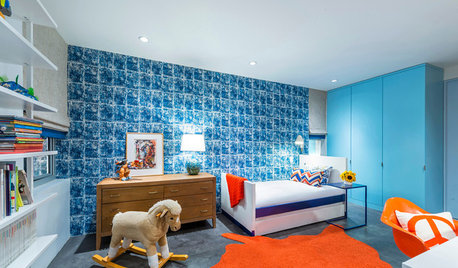
KIDS’ SPACES9 Pro Tips to Create a Long-Lasting Kids’ Room
Hear what professional designers have to say about turning your nursery into a kids’ room that will last through the preteen years
Full Story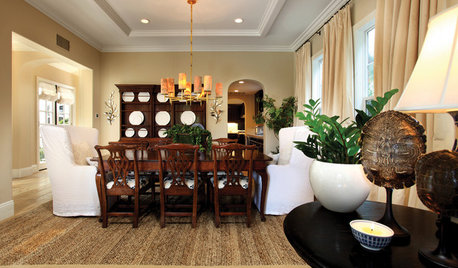
HOUSEPLANTSMeet a Long-Lasting Houseplant With a Forgiving Heart
Low light and little watering won't scar Zee Zee plant for life; this East Africa native has a tolerant nature and an exotic beauty
Full Story
DIY PROJECTSMake a Beautiful and Long-Lasting Driftwood Centerpiece
Add succulents to found wood for an easy arrangement that looks straight from a designer florist's shelf
Full Story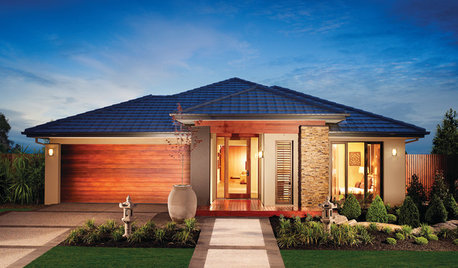
ROOFSThis Long-Lasting Roofing Material Works With Many Styles
With their durability and wide range of colors and molded shapes, concrete roof tiles are worth a look
Full Story
CHRISTMASMake a Long-Lasting Eucalyptus Holiday Wreath
Greens full of fragrance will keep your front door in the Christmas spirit for weeks
Full Story
LIFESimple Pleasures: A Long Winter’s Nap
This time of year we can always use a little extra rest. Make it easy with these ideas for daytime napping
Full Story
DECORATING GUIDESSmall Changes to Simplify Your Long-Term Storage
Conquer your attic and basement storage in more than a day, with these easy, bite-size steps for sorting, storing and protecting your stuff
Full Story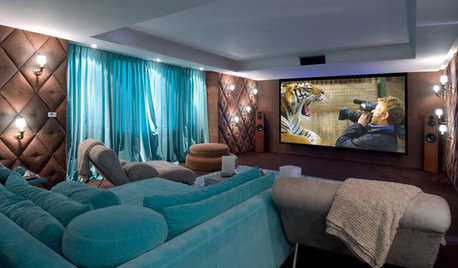
MORE ROOMSLong, Cold Winter Days—Bring 'em On!
13 Inspiring Ways to Make Good Use of Nesting Season
Full Story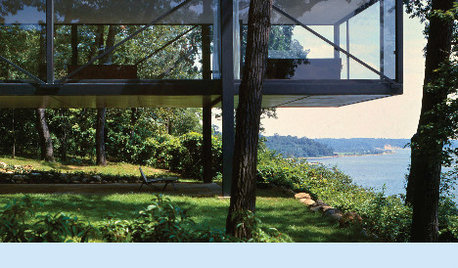
BOOKSBook to Know: 'Long Island Modernism 1930-1980'
Photographs mix with social history from the architectural highlights of Long Island's suburbanization
Full Story
WORKING WITH PROSHow Long Is Your Contractor on the Hook?
Understand how a warranty protects homeowners from shoddy work — and builders from being liable for their work for forever and a day
Full StorySponsored
cathyb5895