

Trip to the NM/Utah desert
10 years ago
Featured Answer
Sort by:Oldest
Comments (6)
 10 years ago
Related Discussions
My plans for fruit growing in Moab Utah
Comments (30)I just found your posting from Oct. Hope I'm not too late to weigh in some notes. I lived in Colorado for 39 years, mostly in the Denver area, where I successfully grew peaches and apricots organically in a home garden without any protection. Equally as relevant, however, is I did lots of geology field work for decades in the Moab, Paonia, Palisade and other areas of the Four Corners states, and part of my job was evaluating potential wilderness areas. After a big back packing trip, I'd rest up in Capitol Reef,car camping next to the orchards. Yes, it was a hard job but someone had to do it. Sounds like you have already discovered the peach and apples. Apricots around Palisade and Montrose are incredible. Inspirational! Sweet cherries, too, and pie cherries in Paonia, on the North Fork of the Gunnison. Not only is having water rights essential, but also be sure to check the water quality. Much of it can be alkaline and high dissolved solids, so steps must be taken. Best of luck on both the fruit growing and the hiking....See MoreUtah road trip (long story).
Comments (5)Sherry, The Mojave is considered a "high and dry" desert. The high because it is between 2,000'-5,000' in elevation. The dry because on average it only gets a little over 2" of rainfall per year. The low precipitation is because of the rain shadow effect of the Sierra Nevada Mountains, where falling moisture normally evaporates before it hits the ground. Hard to believe when the early or late monsoons are in and a thunderstorm floods the valley in mere minutes. It doesn't rain cats and dogs because they too head for cover when the sky opens up and literally dumps. It's common that 30 minutes later the water has soaked in and the surface is bone dry again. The Mojave is the most unique and diversified of our four deserts because it is nestled between a high plateau (cold) and a low (hot) desert. So it has habitats within it that run from one extreme to the other north to south and east to west. That is why it is anything but bleak, hosts more species of flora and fauna than any of the other deserts, and on the edges can be effected by non desert habitats. The canyon above starts low in the desert on the very edge of the true Mojave and the upper couple of miles of it runs into the lower foothills of the nearby high mountains that do get a snow base. Enough of a snow base to have a small year-round stream feed by those mountains. So along the stream it is very riparian habitat, and 20' away very desert habitat going up into high plateau desert habitat on the rim rock cliffs. IOW, a very diversified place with all habitats present except for the high riparian and arctic/alpine. So both plants and animals from the higher habitats can spread down into the true desert along the narrow stream corridor. That allows all species found in that greater part of the country to live and thrive in the same place. Not a well known place to Lepidopterists like Madera Canyon in SE AZ is, but it is truly a heaven for plant and bug diversity, and about the farthest north magnet for stray species migrating from as far away as Central America. The Las Vegas Valley, being 160 miles further down into the true Mojave doesn't share that diversity, except to a point on its NW edge where the Spring Mountains also create a drier but still riparian habitat. These mountains being well isolated and surrounded by the desert is what makes them unique. Being isolated from the gene pool, species have evolved on their own there into species that exist no where else on earth. The other areas around the valley are anything but bleak though, but the flora and fauna have had to adapt to and find their own niches to survive and flourish there. It may appear bleak to those who do not know how to find those niches, but it is far from it. BTW, there are many species that use cactus and succulents for their larval food plant. From utilizing the new growth, leaves, florens, or tunneling into the roots or stems. My son always loved going on Megathymus and Agathymus larva/pupa "digs", and we got a kick out of handing visiting newbie bug collectors a shovel instead of a net to go collect them. Larry Gene, Even though I have collected in many beautiful places around the world, I'd sure like to be able to go back to the Beartooth Plateau on the WY/MT border just one more time. Won't happen, but out of the hundreds/thousands of places I have been studying bugs, it is easily my favorite. It's a place every budding Lepidopterist should visit at last once in their lifetime, and although 11,000'-14,000' feet high, it can be easily accessed along Highway 212 even in a motor home. Seeing millions (literally) of dozens of arctic/alpine species of butterflies on the wing all at the same time is a sight few would ever forget, and there are species there that are not found anywhere else. Larry...See MoreT-budding 2005 results and RV-Trip
Comments (12)onewebfoot.. I got lost looking at your pictures!! Great vacation!!! Makes me miss New Mexico.. haven't been back in 7 yrs. BTW.. I looked up biosphere2 on the web.. here is the link for their web site.. http://www.biospherics.org/ here is the "tour info" web site addy.. http://www.bio2.com/index.html Garnetmoth. maybe we need to start a threat about grafting questions? I would like to try my hand at it too and haven't a clue. There are allot of sights that you could see in the 4 corners region. depends on your interest and ages of your family. I agree petrified Forest national park and Painted destert in AZ are real cool. Hubbell Trading post just outside Ganado was a cool stop when I was a kid. I got to work a loom and sign my name to a list of ppl that had worked on it. Canyon DE Chelly is pretty.. I never got to go to the 4 corners monument all the 11 yrs I lived in the area. when I was a kid and we were traveling no one wanted to stop because it had been sorely ran down. I have heard it has been fixed back up and is a real nice stop. If you are interested in historical Indian artifacts sites in North west New Mexico are Chaco canyon *if ya go there I recommend and all day* Aztec ruins is smaller but allot easier to access.. Mesa Verde national park is in south west Colorado. lot bigger that Aztec ruins. Durango just a hop skip and jump from Mesa Verde is a beautiful town they have white water rafting and Durango Silverton Train. Old down town is beautiful. you can go into old saloons for a drink. Purgatory is about half way between Durango and Silverton and they have an awesome summer toboggan ride down the mountain. Mind you.. I haven't gone in abut 20 yrs.. dang.. lol I know these are getting a bit off your beaten path.. but.. I really enjoyed going to these places with my grandparents from age 5-16. Might be able to google search any of these places and find info on them and see if they are what you might be interested in.. Have fun!!!!!! Safe journey!!! Gina *BabyBlue*...See MoreFirst time gardener - and in NM!
Comments (10)Hi Vanessa, I live on the West Side of albuquerque and I'd bet most of your soil is sand, at least the first couple feet or so. But like Shelley said you may hit a clay bed further down - I have clay about 2-3ft down in my yard. This means your soil will be well drained and alkaline Actually your plant selection sounds pretty good, pomegranates and smoke tree are both considered "Xeric" (drought tolerant) and are in Jutith Phillips' book as recommended NM plants - so you did good there! Rose of sharon really isn't a big water lover either - being a native of Pakisatan... I also hight recommend "New Mexico Gardener's Guide" by Judith Phillips - it is a VERY good resource for this area. BTW many bulbs LOVE our sandy soil and will natralize (spread out) over time - I have crocus in bloom now and daffodils are putting on buds and I have WAY more now than I had when I planted the first sets a couple of years ago. Lilies for summer and fall blooming are the same way - very prolific, spreading, and healthy. Daylilies and Iris are so prolific, they may wear out their welcome, all of these are somewhat drought tolerant also due to their tuberous root food resevoirs. and lastly - I HIGHLY recommend investing in some kind of automatic drip irrigaion system, preferably one you can add to or change easily as your landscape matures and changes. Don't make it too permanent or difficult to change, esp. during these first years of getting things growing. But it will save you a ton of water and money, both good things, in the long run. It was the first thing I did when I moved into my home and my water usage was half what the previous owners' were, and I had added A LOT more landscape than they had. Hope I didn't bore you to tears! Good Luck! --Bob...See More- 10 years agolast modified: 10 years ago
- 10 years agolast modified: 10 years ago
- 10 years ago
- 10 years agolast modified: 10 years ago


Related Stories

INDUSTRIAL STYLEMy Houzz: From Raw Space to Hip Home in a Converted Utah Garage
Creative repurposing with an industrial edge defines the first home of an engaged couple in Salt Lake City
Full Story
HOUZZ TOURSMy Houzz: Visit an Eco-Minded Yoga Haven
A couple with rock ’n’ roll roots transform a Utah high desert ranch into their dream home and retreat
Full Story
GARDENING GUIDESSouthwest Gardener's October Checklist
Softer light and milder weather make desert gardens a real joy this month, but watch the water and don't forget to plan
Full Story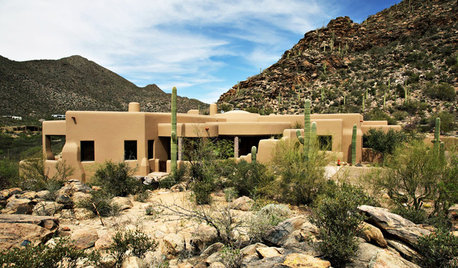
TRADITIONAL ARCHITECTURERoots of Style: Pueblo Revival Architecture Welcomes Modern Life
Centuries-old details of adobe construction still appeal in the desert Southwest, adapted to today's tastes
Full Story
GARDENING GUIDESSouthwest Gardener's February Checklist
Orange you glad for a citrus-fertilizing reminder? And don't forget the recommended doses of vegetable seeds and cold-hardy flowers
Full Story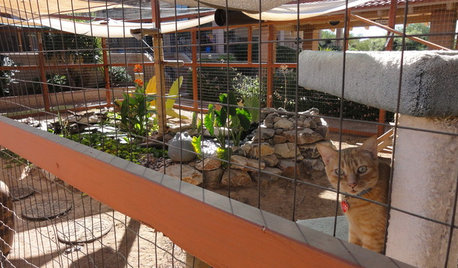
PETSSee a Deluxe 'Catio' Built for Feline Fun
Sixteen lucky cats get the run of a protected outdoor patio with ramps, steps and even a koi pond
Full Story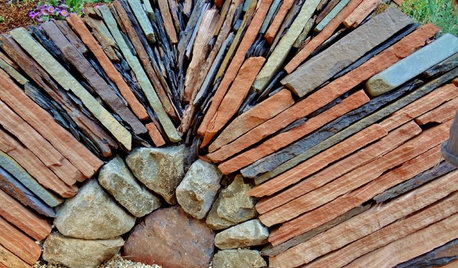
LANDSCAPE DESIGNFollow Nature’s Lead for Artful Stacked Stones
Surprise and delight in the landscape with rock formations resembling wildland hoodoos and cairns
Full Story
GARDENING GUIDESHow to Get Your Landscape Ready for Summer Storms
Don’t let high winds, dust storms and torrential rainfall catch you or your landscape by surprise
Full Story
MOST POPULARHouzz Call: Show Us Your Winter View!
Share pictures of your home and garden in winter — whatever your climate, architecture and plantings
Full Story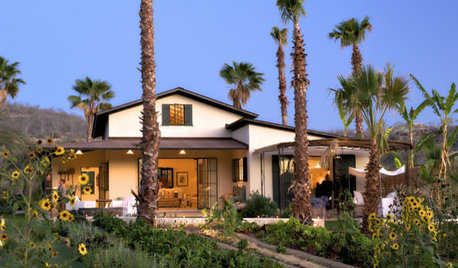
GREEN BUILDINGWhy You Might Want to Build a House of Straw
Straw bales are cheap, easy to find and DIY-friendly. Get the basics on building with this renewable, ecofriendly material
Full Story
More Discussions
User