

Ants are killing my plants!
20 years ago
Featured Answer
Sort by:Oldest
Comments (18)
 20 years ago
- 20 years ago
Related Discussions
Ants and corn
Comments (19)I live in the south and we have fire ants. They can not live in close contact with any other living thing so far as I know. I have not had them eat plants because they are opportunistic and seem to prefer other living things, from small insects ot baby livestock and wild game. Where there are lots of them they kill off the turkey, quail, deer etc and in also baby calves, horses etc., given the opportunity. I have read that if you have lots of fire ants, they will eat all the ticks and chiggers so I guess that would be one beneficial act, at whatever cost. The ants that killed my plants were the little black ants that frequent okra. They occasionally bore a hole in a pod of okra near the base, causing it to become deformed and curl over. However the most damage was when they killed all my dill plants two years in a row, some other plants and a beautiful little miniature rose bush that I had growing in a planter box that I built for my wife. They did not eat the plants, but hollowed out all around the roots making their nests and tunnels to where the plants died from lack of being able to take up moisture or nutrients. It is hard to tell this, especially if there is mulch around the plants, until you see them wilting and investigate. By then the damage is done and it is too late. I would also recommend some ant baits or control on the outter pereimeters of your beds. Other measures like keeping the ground moist and stirred up has a limited and temporary inpact on them. That is my experience and first hand observations. Bill P....See Moreants in the greenhouse
Comments (7)Good grief! Cygon has been yanked off the market for ALL residential uses. It is a very hazardous product and has no use in the enclosed environmental whatsoever. TSmith, if you are smelling the stench of a chemical such as this, you are absorbing it into your system. Inhalation is a primary pathway into the mammalian body. Good grief. Here is a link that might be useful: Cygon withdrawal...See MoreHow to safely kill carpenter ants in my sago palm
Comments (9)You've seen the actual ants among that dark granular material or it is instead part of the remains of the plant structure, which you are mistaking for evidence of a nest? Carpenter ants nest in wood, if you are tearing into a nest eggs and larvae should become visible at some point. Otherwise scattered ants are foraging and not indicating the exact location of a nest. Except for when they come into a house while doing this and get onto counters etc. this behavior is of little comparative importance - the most significant thing about them being found near a wooden structure is that they might be nesting in it, gnawing out the wood. And killing a percentage of the foraging ants is not going to eliminate the nest they are coming from, which will continue to generate more ants. Ants make trails that they follow, if you are in fact seeing a number of carpenter ants moving around there look for them traveling along such routes and follow those back to the nest. They don't eat wood so the presence of their nests is marked by dust-like sawdust that they have generated and disposed of outside the entrance. If they are infesting dried conifer wood such as might be used in buildings this material will often be yellowish or otherwise pale....See MoreAnts killing my plants?
Comments (2)You need to get some professional products that will form long lasting, non-repellent barriers and gel baits that ants will bring back to their nests and kill the queens. Fipronil, Abamectin, Imidicloprid, Bifenthrin and Permethrin. One year, after wildfires came very close and we were evacuated, we came back after a week and there were swarms of ants all over my house crawling up walls in streams 4 inches wide, in the bathrooms, on kitchen counters, in my cabinets, everywhere. They came in to escape the heat and approaching fire. We had an exterminator out about 6 times but after two months with swarms of ants still crawling across the walls, we had to take it into our own hands. We did a massive assault with baiting and spraying with variety of targeted professional products OUTSIDE and to a esser extent, some bait and gel inside. First we created a barrier around the house foundation to keep them out of the house, then moved outward until we reached the property line, and made another barrier around the perimeter of our yard. It was so bad, it really came down to us or them and we had to win. Took about two months to fully knock them down. That was in 2007. I have not seen a single ant inside and very few outside since then. A few boric acid baits or a little spot of gel applied by the exterminator would never have been enough. I think they only want to kill enough ants to make you believe they are doing something, but leave enough that you keep having them back every month to spay your kitchen and bath baseboards....See More- 20 years ago
- 20 years ago
- 20 years ago
- 20 years ago
- 20 years ago
- 20 years ago
- 16 years ago
- 15 years ago
 11 years ago
- 11 years ago
 9 years ago
 7 years ago
- 7 years ago
- 7 years ago
- 7 years agolast modified: 7 years ago
Related Stories
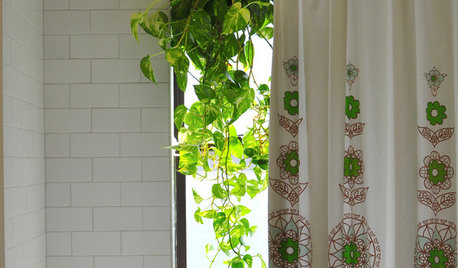
MOST POPULARThe Perfect Houseplant for People Who Kill Houseplants
If you can fill a jar with water, you can keep golden pothos vine happy — and it will pay you back with cleaner air and a greener home
Full Story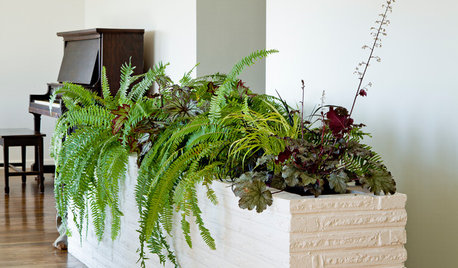
HOUSEPLANTS8 Houseplants You Can't Kill
They're forgiving and let you forget. Houseplants don't get any easier than this
Full Story
COLORWhen Color Could Kill: Stories From the History of Paint
Delve into paint's storied past — what you learn about its history and modern incarnations may surprise you
Full Story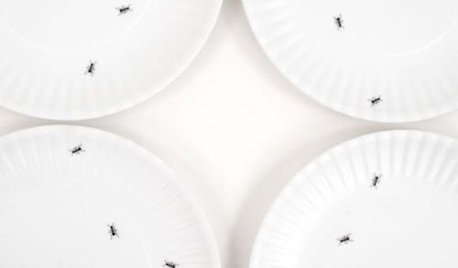
PRODUCT PICKSGuest Picks: Let the Ants Come Marching In
Catch the decorating bug — or maybe even a whole colony of ’em — with accessories sporting cute versions of crawly critters
Full Story
GARDENING GUIDESInvite Mining Bees to Your Garden by Planting Their Favorite Plants
Look for mining bees (Andrena) pollinating woodland wildflowers in U.S. gardens this spring
Full Story
GARDENING GUIDESGreat Design Plant: Butterfly Milkweed, a Beacon in the Prairie
Vivacious orange flowers for you, nectar for the butterflies and bees. Asclepias tuberosa is worth planting for more reasons than one
Full Story
GARDENING GUIDESGreat Design Plant: Sambucus Nigra
Common elderberry is a highly adaptable shrub from the eastern U.S., with berries galore for wildlife and humans alike
Full Story
EDIBLE GARDENSGarden BFFs? Why Your Vegetables Are Begging for Companion Plants
Foster friendships among plants for protection from pests, pollination support and color camaraderie
Full Story
GARDENING GUIDESGreat Design Plant: Jeffersonia Diphylla
The long-lasting foliage of this eastern North American native excels at filling in a shady garden
Full Story
FARM YOUR YARDHow to Build a Raised Bed for Your Veggies and Plants
Whether you’re farming your parking strip or beautifying your backyard, a planting box you make yourself can come in mighty handy
Full Story
evan smith