

well behaved plants
19 years ago
Featured Answer
Sort by:Oldest
Comments (9)
 19 years ago
Related Discussions
Bumper Crop this year!
Comments (7)He, he, yeah I guess I'm "gloating"! Its just funny because I am not a serious gardener by any means, I just seemed to luck out this year especially. I have other friends who live in the same area who have had dismal returns this year and they are all lamenting what a bad season this is. I just can't account for it. I have a tiny little plot, only 225 sq ft. It is just amazing to see how prolific that little patch is. I haven't used any fertilizer - in past years I've used Miracle Gro, but not this year. I water sporadically, maybe once a week, plus the occasional light rainfall. I haven't added compost for a couple of years now. The only thing I did differently this year was to add some lime to the soil back in February when I did my initial tilling. (My home test kit showed high acidity). Otherwise, I just did the normal thing where I put seeds in the dirt and hope for the best!...See MoreAny plants with chevron leaves that are well behaved?
Comments (10)Hi purpleinopp that`s a tricky one. First thing that sprang on my mind were weedy Polygonum/ Bistorta. I plan a project where we sow (well, we plan, contractors sow) lots of meadows, but right now mostly those Polygonum are popping up with lovely chevron leaves. So I searched the Polygonum-section of my favorite nursery and found that P. filiforme. ---- I didn`t grow it, but just going by the description it should be a nice one. They don`t mention runners/ spreading (and they do with other plants like Aster Ashran), plus they recommend to plant it in small groups from 1 to 10 specimen. That is only the case with not/ slow spreading plants well, perhaps you find some more and proper information on that in the web, otherwise I am really curious what other recommendations might be, bye, Lin Here is a link that might be useful: Polygonum/ Bistorta...See More(Almost) any plant is better than none
Comments (14)Thanks for all the responses, folks! Actually, I want to start another thread of most hated and best liked weeds. Jackie, I'm tempted to take issue with that word 'perfectionism'. To me the absolutely manicured garden suggests not a desire for beauty, but a desire for control. As you point out, allowing Nature to become a collaborator in one's garden design can bring lovely results, and to me what is most lovely is most perfect. Maniacally maintained gardens aren't necessarily the most beautiful ones around. I am a perfectionist in my own way, meaning that I always try to create the most beautiful garden I can, even if I almost invariably fail. All of which opens the way to a discussion of different ideas of beauty. Lori, you do list some ugly weeds. About the lawn: with our dry summers and for various considerations, I've never tried to have a lawn and never watered what grass struggled into existence. (Italians, by the way, go mad for what they call 'English lawns', a smooth close-clipped expanse of emerald green maintained at huge expense of water, fertilizer, and poison.) Perversely enough, we are coming to have a lawn. We've always had annual grasses that make a good show in spring and then die during the summer drought; but there's a perennial native grass that makes quite a decent lawn grass that has been expanding its territory, so that in time I think we'll actually have a permanent grass covering. Moral of the story is, I think, that you need to find adapted grass species for your lawn, that can handle periods of drought. Also, do you dislike non-grass species in your lawn? I've always enjoyed clover and English daisies and so on in my grass (I even rather like dandelions, but I know that's extreme); could you bring yourself to like them? As you point out, having something--ANYTHING--growing brings advantages with it. Some perennial grass species do go brown in periods of drought but without dying; could you live with that? Here in the summer for green I rely on the wisteria pergola, on the trees and shrubs and on the potted plants, but not on the grass. Hoovb, nice work if you can get it!! I have the highest opinion of thick blankets of mulch. However, we have a very large garden; it's too steep for anything but a tractor to get in--wheelbarrows are really difficult; I have no convenient source of mulch. For all these reasons I began to ask myself why on earth I was pulling annual grasses out of the beds, since they are simply Nature's mulch, grown in place and at no cost to myself. Certainly I mulch all I can, but the self-sown wild herbaceous plants help. Suzy, I hate mallows too, but fortunately they're not one of my major problem plants. I do pull them wherever I find them. Your comments about butterflies made me wonder about our bee and butterfly population this summer. It seems to me we haven't had many honeybees at all, and, now that you bring them up, I haven't seen many butterflies either--fewer than in other years. Note that we use no pesticides, and I doubt our farmer neighbors do either, as they grow crops for cattle feed; and we're otherwise surrounded by woods. The wasp and bumblebee populations appear healthy enough. Melissa...See MoreKicking the gardenia OUT!
Comments (3)Did you try showing it to the compost pile? Leaving the pruning shears near it? Let's hope it works, it sounds like you've got the right location; just make sure it doesn't dry out during the summer heat and sun, or it'll drop all its buds like Enron stock shares. Jim...See More- 19 years ago
- 19 years ago
- 19 years ago
- 19 years ago
- 19 years ago
- 19 years ago
- 19 years ago
Related Stories

GARDENING GUIDES5 Best-Behaved Trees to Grace a Patio
Big enough for shade but small enough for easy care, these amiable trees mind their manners in a modest outdoor space
Full Story
GARDENING GUIDESGreat Design Plant: Athyrium Filix-Femina
If you need a well-mannered plant that shines in the shade, lady fern is for you
Full Story
GARDENING GUIDESGreat Design Plant: Asclepias Incarnata for a Butterfly Garden
Beautiful swamp milkweed makes it easy to help monarchs and other pollinators in eastern U.S. gardens
Full Story
RED FOLIAGEGreat Design Plant: Japanese Blood Grass
This dramatic, ruby-tinged grass bridges the gap between red and green, short and tall plants
Full Story
GARDENING GUIDESGreat Design Plant: Asclepias Viridis
Green antelopehorn is a milkweed that is short, drought-tolerant, not aggressive and a monarch favorite
Full Story
FLOWERSRudbeckia Mania: Go Beyond Black-Eyed Susan in the Garden
Branch out from typical nursery fare, with lesser-known Rudbeckia species that have delightfully unexpected features
Full Story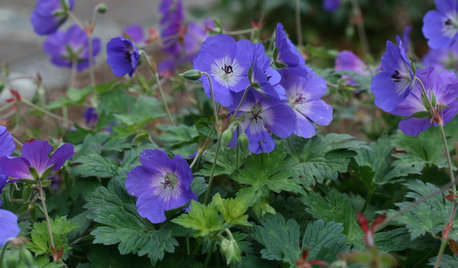
FLOWERSGreat Design Plant: 'Rozanne' Cranesbill
Try this vigorous scrambling beauty as a ground cover or container plant for captivating garden color all summer long
Full Story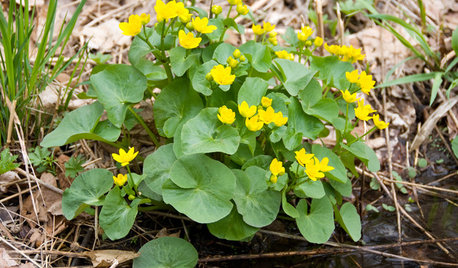
NATIVE PLANTSGreat Design Plant: Caltha Palustris Is a Welcome Sign of Spring
Brighten your rain garden or pond edge in spring with marsh marigold
Full Story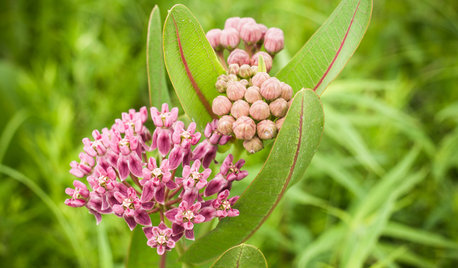
GARDENING GUIDESGreat Design Plant: Asclepias Sullivantii
Celebrate the pollinator community that flocks to this rare prairie native’s nectar and leaves
Full Story
LANDSCAPE DESIGNGreat Design Plant: Vine Maple
Exciting year-round color and adaptability make this highly ornamental native small tree a top choice for home gardens
Full Story
ornata