

Ground elder / Goutweed eradication help
21 years ago
Featured Answer
Sort by:Oldest
Comments (23)
 21 years ago
- 21 years ago
Related Discussions
Poison Ivy? Or some type of ground cover?
Comments (11)Happy to! Hostas are tough, gardeners move them around regularly. I've not had Epimediums before, so somebody jump in if I say something that doesn't jive with those. A bit of reading about them says gardeners often divide them, so assuming they're like most perennials that gardeners move at will with good results. Does your yard have other 'flower bed' areas? If so, is the light exposure similar to this one? Is there space for plants to take up temporary residence there? If yes to the above questions, I would dig up as many of the Hostas and Epis as you feel like saving, move them to the other bed area. Shake off the roots when you get them up, to make sure you're only moving Hosta/Epi material, and not any of the goutweed roots. I would replant each one as it was dug, to reduce the time each one spends out of the ground (and working this way would allow you to take a break, for a minute or a night, or a week, whatever your schedule requires.) It would be best not to do this in the middle of a really hot day. Then rake the area where plants were removed as flat as possible, use weed trimmer to help get the weed foliage down/help flatten the area. Cover the shredded weeds and the ground with cardboard, overlapping the edges well, cover that with enough mulch to hide it. By spring, the bed should be ready for the good plants to be re-planted. After uncovering a small test area (if necessary, the cardboard may be decomposed by then,) where the goutweed was known to be thick to make sure it's dead, you can move the Hostas/Epis back, or start fresh with something else. If there is nowhere to move them, you could put the plants you want to save in pots for winter. Or possibly dig out half of the bed, move the good plants to that side and try smothering the other half. Furniture and appliance stores are great sources for soliciting large pieces of cardboard, just remove any tape or stapes before using them for gardening. Whatever is growing on a spot where I want to have a 'flower bed,' whether weeds or grasses, smothering is how I start all new beds. I'd rather wait than dig, and removing the top soil is counter-productive to having 'good dirt.' Smothering the weeds (and often grass) returns the organic material of the weeds/grass to the soil. I can elaborate more, if needed, in whichever direction you'd want/need to go....See MoreMillions of Lady Bugs!!!! HELP!!
Comments (96)Dry White Sage is a natural cheap and cheery ladybug repellent. Here is a recipe from the link listed below Garlic Oil Sprays: Organic gardeners have long been familiar with the repellent or toxic affect of garlic oil on pests. when it is combined with mineral oil and pure soap,as it is in the recipe that follows, devised at the Henry Doubleday Research Association in England, it becomes an effective insecticide. Some studies also suggest that a garlic oil spray has fungicidal properties. Protection Offered: Good results, with quick kill, have been noted against aphids, cabbage loopers, earwigs, June bugs, leafhoppers, sqaush bugs and whiteflies. The spray does not appear to harm adult lady beetles, and some gardeners have found that is does'nt work against the Colorado potaoe beetles, grape leaf skeletonizers, grasshoppers, red ants, or sowbugs. How to Make: Soak 3 ounces of finely minced garlic cloves in 2 teaspoons of mineral oil for at least 24 hours. Slowly add 1 pint of water that has 1/4 ounce liquid soap or commercial insecticide soap mixed into it. Stir thoroughly and strain into a glass jar for storage. use at a rate of 1 to 2 Tablespoons of mixture to a pint of water. If this is effective, try a more dilute solution in order to use as little as possible. How to Use: Spray plants carefully to ensure thorough coverage. To check for possible leaf damage to sensitive ornamentals from the oil and soap in the spray, do a test spray on a few leaces or plants first. If no leaf damage occurs in 2 or 3 days, go ahead and spray more. Pyrethrin The dried, powdered flowers of the pyrethrum daisy, Tanacetum cinerarifolium, were used as early as 1880 to control mosquitoes. The popularity of pyrethrum insecticides waned when synthetic insecticides were introduced, but they are now enjoying a commercial comeback. Many new products formulated with natural pyrethrums are available. Pyrethrins are the insecticidal chemicals extracted from the pyrethrum daisy. Do not confuse them with pyrethroids, the term for a new class of synthetic pesticides. Pyrethrums, which are mainly concentrated in the seeds of the flower head, are a contact insecticide, meaning the insect only has to touch the substance to be affected. Pyrthrins have a quick knockdown effect on insects: Flying insects are paralyzed. pyrethrins can be applied up to one day before harvest because they are quickly destroyed by light and heat and are not persistent in the environment. Pyrthrins will kill lady beetes but do not appear to be harmful to bees. They are toxic to fish and to the aqautic insects and other small animals that fish eat. Pyrethrins do not seem to be toxic to birds or mammals. Protection Offered: Pyrethrins are registered for flowers, fruits, and vegetables, including greenhouse crops. they are effective on many chewing and sucking insects, including most aphids, cabbage loopers, celery leaftiers, codling moth, Colarado potaotoe beetles, leafhoppers, Mexican bean beetles, spider mites, stink bugs, several species of thrips, tomato pinworms, and whiteflies. they are especially good against flies, gnats, mosquitoes, and stored products pests. Flea beetles are not affected, nor are imported cabbageworms, diamondback moths, pear psylla, and tarnished plant bugs. How to Make: If you grow your own pyrethrum daisies, you'll have the main ingredient for a make-it-yourself spray. The concentration of pyrethrums is at its peak when the flowers are in full bloom, from the time the first row of florets open on the central disk opens too the time all the florets are open. pick flowers in full bloom and hang them in a sheltered, dark spot to dry. Once the flowers have dried thoroughly, grind them to afine powder, using a mortar and pestle, old blender or small hammer mill. Mix with water and add a few drops of liquid soap. Store in a glass jar and keep the lid tightly closed, because the mixture looses activity if left open. You'll have to experiment with the amount of water to add, because the concentration of pyrethins in the flowers is an unknown variable. If the spray you make does not seem to kill insects, use less water the next time you make the concentrated spray. Also keep in mind whole flower heads stay potent longer so do not grind until ready to use. How to Use: Pyrethrins are more effective at lower temperatures, so for best results, apply in early evening when temperatures are lower. Spray both the upper and lower surfaces of the leaves, because spray must directly contact the insects such as thrips that hide in leaf sheaths and crevices. The first spray will excite them and bring them out of hiding, the second will kill them. Never use pyrethrin products around waterways and ponds. There are also products available that contain no harmful poisons one is called THE ASIAN LADYBUG TRAP I hope you found this information helpful Best of Luck...See MoreHelp put together Deane's Dream border?
Comments (28)Hi Jo! So sorry I didn't see this. I was vacationing in Florida...traumatic, I know. Sod is in, bed is built and mulched, and I'm ready to plant! I know the timing's all wrong, thank goodness NS is so rainy and my back yard is so shady. I will have to wait until fall for my Fundy Beauties order. But I still have an itchy finger whenever I get to a nursery so have a few hosta to get in the ground - mostly for the back bed. You can see (at a distance) abba dabba do, blue angel, blue arrow and lakeside dragonfly. Blue angel is destined for a dark corner of the yard. Getting ready for a planting party... Speaking of hosta companions, I thought I'd list some of what's going to go in with the hosta - I have some "fern-jacked" (side of the road) ferns, a couple of royal ferns, two densi-gem yews, a rhody nova zembla, dwarf maidengrass, and two h macra aureolaes to be planted in this picture. The back bed (on the right) already has Japanese quince (lovely in early Spring), what I'm assuming is a hicksii yew, a jumbo forsythia and two big burning bushes. It used to have a half dozen very sad junipers, a huge infestation of English ivy, and an even worse goutweed infestation. Needless to say even bare soil looks pretty good right now to me compared to what used to be there! For perennials, what survived the goutweed eradication is some kind of purple spiderwort, lungwort (which if I'm honest I am not in love with) old orange daylilies, some lanky butterfly bush and two very tall clumps of zebra grass. I have my eye on a GORGEOUS JM Inaba Shidare at the local nursery. At $250 for the size it's a steal but I am too miserly to go for it yet. Hoping it lasts until the fall and goes on clearance....See MoreHelp me connect my house to my yard?
Comments (73)I've cleared such places by hand, dug and pulled out all of the plants you describe. But once cleared, if you want to keep them clear, you have to stay on top of the battle and remove any little babies that get a foothold. The most important point for Robo is, your landscape designer should keep your goutweed challenge in mind and design a system that is naturally going to lend itself to mitigation and prevention. If they can't speak to that and the other issues, keep looking . . ....See More- 21 years ago
- 21 years ago
- 21 years ago
- 21 years ago
- 21 years ago
- 19 years ago
- 19 years ago
- 19 years ago
- 19 years ago
- 19 years ago
- 16 years ago
- 15 years ago
- 15 years ago
- 15 years ago
- 10 years ago
- 10 years ago
- 10 years ago
- 10 years ago
- 10 years ago
- 10 years ago
Related Stories
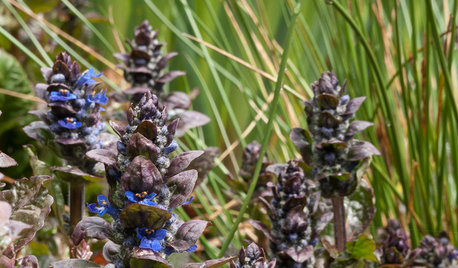
GARDENING GUIDESGreat Design Plant: Bugle Weed, a Quick Ground Cover
It’s highly adaptable, suppresses weeds, reduces erosion and provide weeks of bright flowers. Just watch for invasiveness
Full Story
LANDSCAPE DESIGNDesign Your Landscape for Peace and Quiet
Block unwanted noise with plantings, barriers and water features for a more soothing outdoor experience
Full Story
WINTER GARDENINGPruning Secrets for Exquisite Roses
Encourage gorgeous blooms year after year with this time-tested advice on how to prune your rosebush in winter for health and shape
Full Story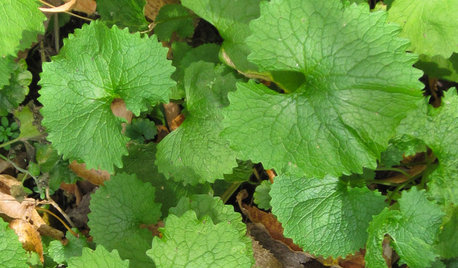
GARDENING GUIDESDo You Have This Invasive Plant in Your Yard?
Garlic mustard is spreading across the U.S. Here’s how to spot it and what to do
Full Story
EARTH DAY5 Ideas for a More Earth-Friendly Garden
Consider increasing the size of garden beds, filtering rainwater and using plants to reduce energy use
Full Story
LAWN ALTERNATIVESStop Fighting the Patchy Lawn!
Here are 3 situations where a garden may be a better idea than more turfgrass
Full Story
FALL GARDENING20 Favorite Flowers for the Fall Landscape
Vivid blooms and striking shapes make these annuals and perennials a delight in autumn gardens
Full StorySponsored

Leading Interior Designers in Columbus, Ohio & Ponte Vedra, Florida
ian_haigh12