

Are root canals worth the $$ in the long run?
23 years ago
Featured Answer
Sort by:Oldest
Comments (49)
 23 years agolast modified: 11 years ago
- 23 years agolast modified: 11 years ago
Related Discussions
Mad Diary of Zone Busting in Zone 3 ...The End is a Long Way Away
Comments (7)Oh my. What is a passionate rose lover like you doing in that glacial hell hole? Reading about your endeavors has exhausted me and I haven't even lifted a shovel. I admire your grit and determination, but would love to see you rewarded with thousands of blooms on your rose bushes for all your hard work. I bet they could use engineers in zones 7 to 10!...See MoreDeep root fertilization worth it?
Comments (7)In my experience, deep root feeding has both benefits and drawbacks. If a deficiency of phosphate or some micronutrients is a problem, injecting it into the soil is the quickest way of getting these relatively insoluble nutrients down to the roots. On the other hand, injecting them more than a foot deep is probably futile, since most of the feeder roots are within the top 18 inches of soil. Also, trees respond much better to nutrients spread evenly through the soil, rather than concentrated in a few small spots. I prefer to spread fertilizers evenly over the tree's root area, top them off with an application of humates to keep them soluble, and give a deep, even watering--up to 3 feet into the soil--to push the sodium down below the roots. Deep root feeding is one of those techniques that is good for a limited number of conditions, but is sometimes marketed as a panacaea to milk more money from the homeowner. As for microinjections, depending on what chemicals they inject, they may be the only way to save mulberries that are so far gone into sooty canker. Other factors may be affecting your trees, too. How are you watering them? Many of the older trees in Arizona started out in yards flood irrigated with SRP canal water, or on lush, frequently sprinkled lawns. Unless done carefully, switching from SRP to tap water sprinklers, or from irrigation or sprinklers to gravel and drip, can cause a slow but steady decline in tree vigor and disease resistance. Another problem people have been having is that they haven't been maintaining their irrigation berms, resulting in a gradual reduction in the depth of irrigation, and increased salt and drought damage. Double checking your watering system, and bringing it up to specs, is a simple way to cure common tree "diseases". Hope this helps! Kevin : )...See MoreAn Interesting Read....(Long, but worth it)
Comments (8)Only a few centuries ago - world population was 1 billion. Only a couple of centuries ago, I think - world population was 2 billion. Now ... world population is 6 billion, or 6.5 billion ... some say 7 billion (or almost that many). We'll soon need that land to grow food. Extended suburbs are hugely costly, in terms of the costs per residence of running power lines ... water lines ... sewer lines. And of maintaining them (which, in many jurisdictions, is low priority, not being very glamorous, as soon-to-be-running-for-election politicians prefer to have their pictures taken with some new project to laying out the funds to upgrade the sewers). How have we lived so long on the earth and learned so little? ole joyful...See MoreAnyone ever have a root canal?
Comments (29)A normal root canal may take a week or less, but in your case, I fear it will be longer. You are having pain and the nerve in the tooth is dead. Also dead are the blood vessels and chamber pulp. You are having pain because the tooth and probably its support structure are infected. The time required to open the tooth and clean it out, and then plug isn't much. The problem is this: The Dentist does not dare to put a permanent plug in that tooth until the infection has been conquered. How much time does that take - who knows, but its got to be done. Here's the drill. [Sorry about that choice of word :-) ]. The tooth is opened and cleaned out. An antibiotic may be inserted in the tooth. A temporary plug is installed and a pill form of antibiotic may be prescribed. Another session will be scheduled for exam. Followup sessions will continue until the infection has cleared and then the job will be completed with a permanent plug and filling. After completion, another followup may be recommended to insure that the infection is gone. An infection complicates a root canal. The root canal itself, does not require a lot of time. There is an upside. After successful completion, you will feel much better, and the tooth will seem normal....See More- 23 years agolast modified: 11 years ago
- 23 years agolast modified: 11 years ago
- 23 years agolast modified: 11 years ago
- 23 years agolast modified: 11 years ago
- 23 years agolast modified: 11 years ago
- 23 years agolast modified: 11 years ago
- 23 years agolast modified: 11 years ago
- 23 years agolast modified: 11 years ago
- 23 years agolast modified: 11 years ago
- 23 years agolast modified: 11 years ago
- 23 years agolast modified: 11 years ago
 23 years agolast modified: 11 years ago
- 23 years agolast modified: 11 years ago
- 23 years agolast modified: 11 years ago
- 23 years agolast modified: 11 years ago
- 23 years agolast modified: 11 years ago
- 23 years agolast modified: 11 years ago
- 23 years agolast modified: 11 years ago
- 23 years agolast modified: 11 years ago
- 23 years agolast modified: 11 years ago
- 22 years agolast modified: 11 years ago
- 22 years agolast modified: 11 years ago
- 22 years agolast modified: 11 years ago
- 22 years agolast modified: 11 years ago
- 22 years agolast modified: 11 years ago
- 22 years agolast modified: 11 years ago
- 22 years agolast modified: 11 years ago
- 15 years agolast modified: 11 years ago
- 15 years agolast modified: 11 years ago
- 15 years agolast modified: 11 years ago
- 15 years agolast modified: 11 years ago
- 15 years agolast modified: 11 years ago
- 15 years agolast modified: 11 years ago
- 15 years agolast modified: 11 years ago
- 15 years agolast modified: 11 years ago
- 15 years agolast modified: 11 years ago
- 15 years agolast modified: 11 years ago
- 14 years agolast modified: 11 years ago
- 14 years agolast modified: 11 years ago
- 14 years agolast modified: 11 years ago
- 14 years agolast modified: 11 years ago
- 14 years agolast modified: 11 years ago
- 14 years agolast modified: 11 years ago
- 9 years ago
- 8 years ago
- 8 years agolast modified: 8 years ago
Related Stories
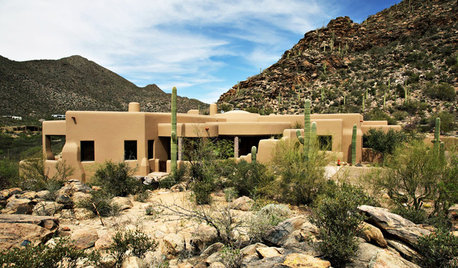
TRADITIONAL ARCHITECTURERoots of Style: Pueblo Revival Architecture Welcomes Modern Life
Centuries-old details of adobe construction still appeal in the desert Southwest, adapted to today's tastes
Full Story
ARCHITECTURERoots of Style: The 3 Waves of Italian Renaissance
The 15th-century study of ancient Rome delivered an important 20th-century style that is seen again today
Full Story
HOUZZ TOURSHouzz Tour: Modern Venice Canals Home Radiates Calm
A pared-down lifestyle didn't mean a reduction in style for this poised and tranquil home in a scenic, upscale Los Angeles area
Full Story
ARCHITECTURERoots of Style: Queen Anne Homes Present Regal Details
Complex facades with bay windows, multiple shingle patterns and even towers make these Victorian-era homes a sight to behold
Full Story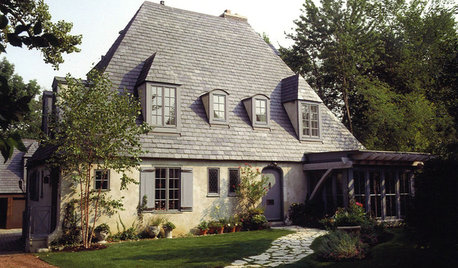
ARCHITECTURERoots of Style: French Eclectic Design Continues to Charm
Hip roofs, towers, quoins ... if your house includes architectural elements like these, you might trace its design lineage to France
Full Story
ARCHITECTURERoots of Style: Do You Live in a Minimalist Traditional House?
Cottages, bungalows, farmhouses ... whatever you call them, houses in this style share several characteristics. See how many your house has
Full Story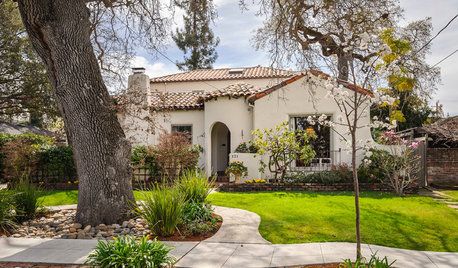
ARCHITECTURERoots of Style: Spanish Eclectic Homes Find a Place in the Sun
Flexible stucco, intricate tiles and more have kept this multicultural style going strong for a century
Full Story
ARCHITECTURERoots of Style: See What Defines a Craftsman Home
Charming features and intimate proportions have made Craftsman houses an American favorite. See their common details and variations
Full Story
ARCHITECTURERoots of Style: Midcentury Styles Respond to Modern Life
See how postwar lifestyles spawned a range of styles, including minimalist traditional, ranch, split level and modern shed. What's next?
Full Story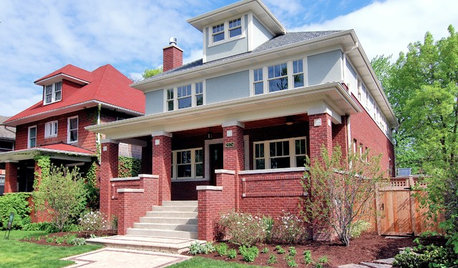
ARCHITECTURERoots of Style: The Eclectic American Foursquare
The turn-of-the-20th-century style transitioned U.S. residential architecture from the Victorian era to the modern age
Full StorySponsored
chelone