

Super easy ant repellant!
15 years ago
Featured Answer
Sort by:Oldest
Comments (28)
 15 years ago
 15 years ago
Related Discussions
What natural plant pest-repellents haven't worked for you?
Comments (10)I am in agreement with comments above... the single most important thing you can do to reduce pests, in my opinion, is provide healthy soil. It is not often mentioned that most plants _do_ have defenses of their own; what we consider to be "flavors" are often chemical defenses against insects. Provided that the plants are healthy enough for those defenses to be effective, they can often fend for themselves. Cucumber beetles, for example, are attracted to compounds given off by plants under stress. This could be caused by disease, inadequate water, or previous attack by other insects - such as squash bugs. Given a high organic matter, pH-balanced soil with good drainage & adequate water, plants are healthier & less attractive to the beetles. While there may still be some present, their population is considerably smaller. The second thing, as mentioned by Lacyvail, is to create (or at least not discourage) a local ecosystem that encourages beneficial insects. It has often been mentioned by those who purchase those insects, that it's hard to keep them around. To do so, you need to provide a food supply for all points in their life cycle. A wide range of flowers, with long or overlapping blooming periods, is helpful. In addition to perennials _near_ your vegetable garden, plant annuals _in_ the garden. And for the larvae - which represent your true resident population - you might need to learn to tolerate enough of an aphid population to sustain them. If you are accustomed to killing off your aphids early, you might be inadvertently destroying the next generation of ladybugs & lacewings as well. For severe infestations, it might be more effective to go after the ants (which usually spread the aphids) rather than the aphids themselves. There may be some truth to companion planting; I rotate all of my vegetables each year, and have noted some good combinations (such as beans & Swiss chard). There are also some plants that don't play well with others, such as okra. If your garden is high-intensive/high-density, then it is more important to know which plants _do not_ grow well together, than it would be with conventional methods. But I think that for the most part, the issue is not which plants grow with which - it is to grow as wide a range of small plantings as possible, as opposed to large blocks. Large blocks of anything (mono cropping) promote the easy spread of insects or disease, and provide a stronger scent trail for flying insects to follow. When I began saving seeds seriously, it forced me to alter the way that I gardened. If I wanted pure seed, I had to provide space & barriers between different varieties. This meant that my beans & tomatoes, for instance, could no longer be grown together in one place, but were spaced out in different "cells" throughout the garden. In any form of experimentation, there are often unexpected results... and in this case, the fringe-benefit was an enormous reduction in insect damage. This is not to say that I have no damage - only that it has been reduced to the point of being (usually) tolerable. One last note... to encourage greater soil fertility, about 10 years ago I began to leave clover alone when weeding. I would still pull it out if it was directly in a row, but in paths & between rows was OK. After years of this, I now get a good stand of clover in the garden. When rabbits get in (as they always do) they prefer the clover in the paths to almost all of the vegetables. I guess that makes it a "trap crop" for rabbits. ;-) Only when I began to grow soybeans did I find something they like even better (and "like" is an understatement)....See MoreHow to repel neighbor's cat
Comments (57)I love cats, and am fostering a stray kitten, and am not bothered by a little bit of cat poo in my garden, but my neighbor has a problem with several stray cats ( more than 8) pooing in his garden so we asked at nurseries and found a woman with lots of experience of dealing with cat poo in gardens and she advised to use hot chile powder (it is only c. a third as hot as cayenne pepper powder depending on the brand, the order of the list of ingrediants will tell you with the greatest amount of ingrediant first on the list, but hot enough to discourage cat poo activity, and we've found it has worked to good effect for us and the felines. I've seen several cats approach the border where the chile powder covered dirt was, put their head down within a few inches of the ground to smell it and turn tail and skedaddle. You must replace the chile powder ( a mixture of garlic, cumin and hot chilli peppers, usually cayenne) after a rain or after watering or most likely the cats forget there was once a deterent there and will poo again in your garden. Because cats have a far better sense of smell than humans do, adult cats are observant enough not to rub something hot and smelly in their eyes. I don't use chile powder where kittens are found. we bought the chile powder in bulk so it was cheap, and spread c. 1 Tablespoon over every square foot in the areas where the cat poop was found in my neighbors garden. within a couple months the cats stopped pooing there. (it may have worked earlier than that were it not for the fact that he forgot to replenish the powder after it rained, twice.) Also, if a cat has a choice between pooing on bare dirt which is easy for them to cover up, and therefore protect themselves from a predator tracking them, which is a survival trait in felines, or pooing on a layer of wood chip mulch that is 3 to 4 inches deep, and would recquire much more digging effort with those little claws, it will choose the bare dirt every time, I use a thick layer of large size wood chip mulch around my newly planted plants. The large size breaks down more slowly than the smaller chips. I hope this info will help you to teach the cats better potty manners. Cats are smart folks, in my opinion. Lux...See MorePlease help with specific insect repellent recipe
Comments (6)Many plants are sensitive to soap sprays on their foliage during the hot, sunny parts of the day. It produces a reaction called phytotoxicity and does result in burnt or scorched looking leaves. These sprays are best used early in the day so that the foliage can dry before the heat of the sun gets to it or in the evening or on overcast days. Even homemade remedies can have this effect. FWIW, insecticidal soaps, homemade or those manufactured for horticultural purposes, target a specific set of insect pests - those with soft bodies like aphids, mealy bugs, soft scales or the crawler stage of hard scales, etc. They are not effective on ants or earwigs or similar hard bodied pests. Jean's recommendations are excellent - I always start with a good hosing down with plain water first, moving to more specific controls only if that is not effective (and it usually is)....See Morecat repellent
Comments (51)Cat's are not part of the eco system, they are not indigenous to the US. Feral cats get rabies just as much as raccoons do. They produce at an astronomical rate. We have two sets of totally irresponsible neighbors who have litters and LITTERS of cats every single year. Sad for the cats, I know, but these people are totally irresponsible and are NOT right in the head. They have serious issues, and you can't talk to them. They are insane. Sort of like the movie "Deliverance". We have cats on our property constantly, and they do NOTHING for the mouse problem. Mice are everywhere out here. They piss and crap on everything, make everything stink like cat piss. The laws are at least where we are at, if an animal is on your property, you have every right to shoot it. Don't like it, keep the cat indoors, where it belongs. People shoot dogs that run loose, sad to say, but cats that become feral are dangerous and carry diseases, just like any other wild animal. Australia had a bounty on feral cats awhile back, they got to be so overpopulated and a nuisance (and killing indigenous wild life and birds), so they had a bounty, I think it was $10 for every cat. If feral cats keep breeding and aren't in check, this could happen too. Unfortunately too many people don't fix their cats and are irresponsible. Then everyone has to pay....See More 15 years ago
 15 years ago
- 15 years ago
- 15 years ago
 15 years ago
 15 years ago
- 15 years ago
- 15 years ago
- 15 years ago
- 15 years ago
- 15 years ago
- 15 years ago
- 15 years ago
- 15 years ago
- 15 years ago
- 15 years ago
- 15 years ago
- 15 years ago
 15 years ago
- 15 years ago
- 15 years ago
 15 years ago
- 15 years ago
- 15 years ago
- 15 years ago
Related Stories

KITCHEN DESIGNKitchen Sinks: Easy-Clean, Surprisingly Affordable Ceramic
You get a lot for the price with ceramic sinks, and they're available everywhere. See the pros and cons here
Full Story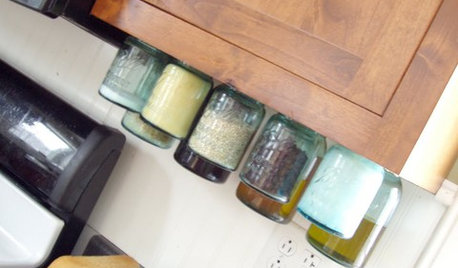
KITCHEN DESIGNGet Organized: Easy DIY Mason Jar Storage
Create a clever under-cabinet pantry system with pretty vintage jars
Full Story
DIY PROJECTSLight Up Your Night With an Easy Outdoor Table Lamp
Hit up Goodwill and the hardware store to make this lamp for a deck or poolside patio in minutes
Full Story
BATHROOM DESIGNDesign an Easy-Clean Bathroom
These ingenious strategies and sleek designs for the sink, tub, shower and toilet help your bathroom practically clean itself
Full Story
SHOWERSTurn Your Shower Niche Into a Design Star
Clear glass surrounds have raised the design bar for details such as shampoo and soap shelves. Here are 4 standouts
Full Story
GARDENING AND LANDSCAPINGBid Bad Garden Bugs Goodbye and Usher In the Good
Give ants their marching orders and send mosquitoes moseying, while creating a garden that draws pollinators and helpful eaters
Full Story
TRADITIONAL ARCHITECTUREHouzz Tour: Southern Charm in the California Wine Country
An old farm cottage gets some Big Easy style with an expansion that preserves memories and adds whimsy
Full Story
SHOWERS5 Reasons to Choose a Walk-In Shower
Curbless and low-barrier showers can be accessible, low-maintenance and attractive
Full Story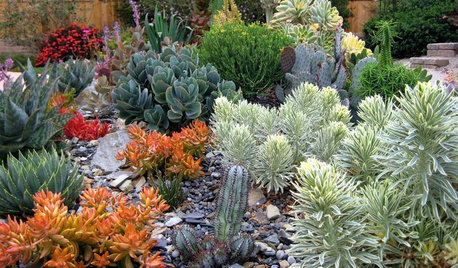
GARDENING GUIDESA Beginner’s Guide to Growing Succulents
Their easy-care reputation is well-deserved, but a little TLC will turn succulents into star plants
Full Story
GARDENING AND LANDSCAPING4 Good Ways to Get Rid of Mosquitos in Your Yard
Stay safe from West Nile virus and put an end to irksome itches with these tools and methods for a porch, patio or yard
Full Story

suzieque