

Bottled water: more healthful than water from the tap???
18 years ago
Featured Answer
Sort by:Oldest
Comments (29)
 18 years ago
- 18 years ago
Related Discussions
Adding tap water to RO water.
Comments (4)Rain water holds no nutrient value by itself. The decomposing organic material (monkey poo and hummingbird pee etc) flushed unto the plants probably contains every conceivable element found in nature. The local water company sends a list of the impurities found in our drinking water every year and that list is very long. It does indeed include items like arsenic, cyanide, uranium etc but in unbelievable minute amounts. Neither MSU nor any other fertilizer can match that. There are good growers who can't even be bothered with the extra expense of MSU and use regular Grow-More or something like it and whose plants look just fine. MSU is already going the extra mile, adding tap water in very small amounts is probably over the top but I see very competent growers do it and I have been doing it for years with no harmful effect noticeable. Hawk Hills has one of the best collection of Dracula in America, their plants are nothing short of spectacular. They have been adding tap water for ever, just part of their routine. Of course it really does not mean much as they are in Pacifica, California where the ppm of tap water is about 50. Their tap water is as good or better than many bottled water brands. I also grow Discus, a tropical fish from the head water of the Amazon that loves pure water. RO is essential to successful Discus rearing but tap water gets added so that the end result ppm is about 100. Nick...See MoreRain water versus city water for health of plants
Comments (25)Soil pH is a measure of the "potential Hydrogen" in the soil. In soils with low pH there are more free hydrogen ions while in soils with a high pH there are few. If you need to decrease the number of hydrogen ions Calcium Carbonate (CaCo3, lime) has been found to be the best way to do that while adding sulfur will increase the number of hydrogen ion. Rain water typically is acidic and has, over time, lowered the pH of some soils and some bodies of water. Most all municipal water systems add, in addition to Chloramine and Floride, something to make that water close to neutral since water very acidic or alkaline simply does not taste good. Adding Gypsum to soils that are not sodic is usually a waste of time....See MoreTap water, bottled water, rain water
Comments (20)It is so nice and useful to read all the information and experiences of our forum members here. I never thought seriously about the water I use for germination, normally I used tap water. Once I used distilled water for spray the plants because the tap water spray make the leaves so ugly. When the water dried all the leaves have whitish residues from the water probably the lime/chalk. When the tap water is dried always chalk/lime built up on the surface. So we have vinegar plus solution for regular cleaning. One of my friends apartment's tap water is pretty bad when he boils it the water lost its color, it looks like water with milk. I hate this chalky water. However, I do not know this hard water is good for the plant. Caelian...See MoreWater analysis is in and I have more questions than ever!
Comments (29)And then I found this Watts Premier RO system on Amazon for $177: Watts Premier RO-Pure 531411 4-Stage Reverse Osmosis System Product Description From the Manufacturer If quality and convenience are what you're in the market for, then this is the water filtration system for you. These filters change out at the push of a button. You don't need to turn off the water supply to the system and there's no waiting for the system to depressurize. Each individually contained filter just snaps into place, including the membrane. This four stage reverse osmosis system consists of a stage 1 five micron sediment filter that traps particulate matter like dirt, rust and silt that will affect the taste and appearance of your water. Stage 2 is a five micron carbon block filter that reduces chloramines, chlorine as well as other materials that cause bad taste and odors, these are called PRE-filters because they filter in front of the reverse osmosis membrane. Stage 3 is the heart of the reverse osmosis system, the RO Membrane. This 50-Gallon per day semi permeable membrane will effectively reduce TDS, total dissolved solids, Sodium and a wide range of contaminants such as Lead, Arsenic, Perchlorate, Chromium, Copper and Radium. It will also remove over 99.95-Percent cysts such as Giardia and Cryptosporidium. The larger production membrane of this state of the art system also means this system has been designed to reduce Nitrates and Nitrites from your drinking water. It is important that this system is properly installed and maintained with a minimum incoming water pressure of 40 psi for it to operate as designed. Stage 4 is a high quality carbon filter, this is called a POST-filter because it filters after the membrane. The filtered water passes through the membrane and enters the 3-Gallon storage tank. When you're ready for a taste, it will leave the storage tank and pass through this fourth stage on its way up to the faucet. Crystal clear, high quality and great tasting water! It is system tested and certified by the WQA by the WQA against NSF/ANSI Standard 58. The Watts RO Pure Annual Filter Pack is $55. Seems like it could be the same model as the Atlantic Blue system, but with different color filters. Seems like this might be the best way to go. Please steer me in the right direction, if you have any thoughts. TIA....See More- 18 years ago
- 18 years ago
- 18 years ago
- 18 years ago
- 18 years ago
- 18 years ago
 18 years ago
- 18 years ago
- 18 years ago
- 18 years ago
- 18 years ago
- 18 years ago
- 18 years ago
- 18 years ago
- 18 years ago
- 18 years ago
- 11 years ago
 11 years ago
 11 years ago
 11 years agolast modified: 11 years ago
- 11 years ago
 11 years ago
- 11 years agolast modified: 11 years ago
- 11 years ago
- 11 years agolast modified: 11 years ago
 11 years ago
Related Stories

HEALTHY HOMEHow to Keep Water Vapor From Ruining Your House and Your Health
We help you find out when it’s happening, what it means and how to fix it
Full Story
GARDENING AND LANDSCAPINGGardens Tap Into Rill Water Features
Rooted in ancient design, this water feature is popular again as a way to help contemporary landscapes flow
Full Story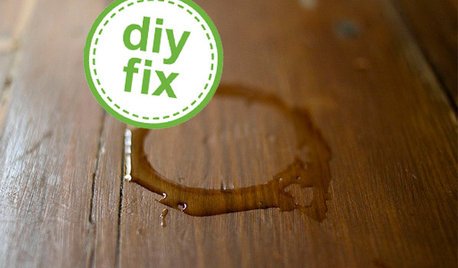
DECORATING GUIDESQuick Fix: Erase Water Rings from Furniture
A few household items can quickly rejuvenate tarnished wood tabletops
Full Story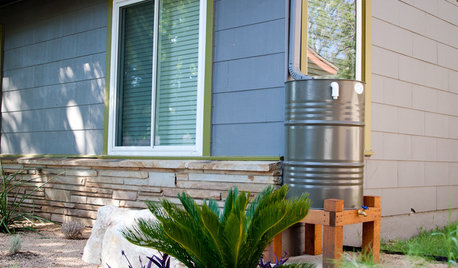
GREEN DECORATINGEasy Green: Big and Small Ways to Be More Water-Wise at Home
These 20 tips can help us all make the best use of a precious resource. How do you save water in summer?
Full Story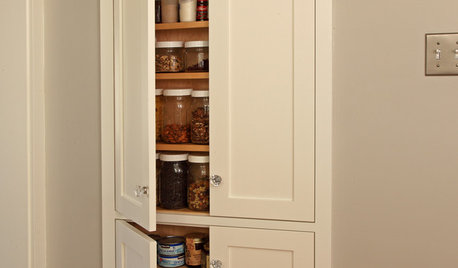
STORAGETap Into Stud Space for More Wall Storage
It’s recess time. Look to hidden wall space to build a nook that’s both practical and appealing to the eye
Full Story
COLOR8 Ways to Rev Up Your Garden Color With More Than Just Plants
Bring energy and excitement to your outdoor space by going bold with color, from small touches to big changes
Full Story
HOUSEKEEPINGHow to Remove Water Rings From Wood Tables
You may be surprised by some of these ideas for removing cloudy white water marks from wood surfaces
Full Story
HOUSEKEEPINGProtect Your House From Winter Water Damage
Avoid costly repairs by learning to spot potential problem areas before water damage is done
Full Story
DISASTER PREP & RECOVERYRemodeling After Water Damage: Tips From a Homeowner Who Did It
Learn the crucial steps and coping mechanisms that can help when flooding strikes your home
Full Story
FEEL-GOOD HOMETap Into Your 5 Senses to Find More Peace at Home
Counteract stress and screen overload by rediscovering basic ways to enjoy life
Full Story
ninos