

cucumber smell - poisonous snakes
18 years ago
Featured Answer
Sort by:Oldest
Comments (67)
 11 years ago
- 11 years ago
Related Discussions
Help - Neighbor poisoned our organic garden :(
Comments (101)I feel for you! I have a very similar situation. My neighbor hates my trees, shrubs, everything and walks on my side of her fence and has been spraying round-up for years. All grass, groundcover is dead 5 feet on the property line on my side. My 5-yr. old new arborvitae tree looks worse than the day planted and has not grown an inch. My tall Leland cypress trees are brown on the bottom halves and look poorly, not to mention she stubbed many of them to the trunk, took out limbs up to 8 ft above the ground, the trees look awful! Her goal is to kill them-after 10 years of growth. I know that I am venting. So what to do with crazy? At first I though she was just mean. I do believe she poisoned my cat 8 months ago, since she had threatened me the month before. The law is very unhelpful. Laws exist, but one practically has to catch enough photos and film footage to prove anything! Or eyewitnesses that are willing to testify. The person can go to court and lie, which is what the neighbor does all the time. A preponderance of evidence is what the policeman told me. So I have been installing surveillance cameras around my home and plans for one or two to shoot down the fencerow. After $200 and trial and error, please get a complete system, donât try to piece mill these things together unless you are technically, electronic savvy. After working with wired cameras for a while which now requires a transmitter and receiver if you want camera placed a great distance from your house, I would advise IP cameras if you have a reliable router. The summary is that neither system is foolproof, so easiest may be the IP. I am ditching my wired ones soon and buying IP, more money. I just hope to catch her and sue, or stop vandalism-which may require continual vigilance on my part. Also get a reputable tree specialist to take a look at your plants, one that wins cases in court. The value placed on plants and trees a tree is not always just the monetary purchase value, the staff told me trees can value at 1000 or more. Besides, it is against US law and may local ordinances to poison (put adverse chemicals on) someoneâs land against their permission. I donât know the penalties for this. Regarding fencing, great idea, but it canât stop the herbicide run-off. Bad Neighbor has built a damn along her fencerow; water does not flow downhill but back on me and none on her. Again against the law for person to damn up the natural flow of water and cause harmful consequences on anotherâs land. Fence may stop direct application on trees and bushes, but my neighbor is so crazy that I figure she will sneak on my side of the fence to do her dirty deeds. The situation I face is complex and fraught with impediments, all maniacally crafted to an almost impossible web. I too have thought about moving, which is exactly what my neighbor wants, control of my land. I have never been so hopeful for someone to die sooner than later....See MoreGarter Snakes-- need advice
Comments (12)Garter snake=harmless. Cotton mouth= Yikes! Too scary, countrycarolyn. I had an uncle from Ohio that was came to visit us in Alabama to hunt. We took him up to Mt. Cheaha where we saw some guy trying to capture a HUGE (my young mind remembers it being about 5' long, but I don't was know what it was in reality) rattlesnake alive so he could take it to some lady who milked the venom and did research. I guess she was not normal, having a hobby like that. My uncle hates snakes and decided right then and there that Alabama was a No Hunting Zone. I was amazed when I moved to NH that there are NO native poisonous snakes. NONE! Hard to believe. My 11yo daughter can catch snakes with her hands. I guess she's not normal, either. This week in the garden we saw a big garter snake with a huge bulge in its body. Don't know what it had for dinner, but it looked like it was about the size of a mole or vole. What a helpful snake! P.S. Once in Alabama there was a small rattle snake underneath my bed. I have no idea how it got there, but it was quite a surprise to see it staring at me when I went to get a box out. Remembering my parents' adrenaline-pumped strategy to kill the thing is still a hysterical memory. I'm not too scared of snakes, and they would have been better off letting me try to catch it, but then I would have missed out on one of the most hysterically funny episodes of my childhood. The best paid comedy writer couldn't have made it any funnier....See MoreOne Snake Away From A Nervous Breakdown!
Comments (6)Patty, I really don't think I am brave at all. I am a huge chicken and venomous snakes simply terrify me. I just do what I can to survive. I knew, realistically speaking, that we'd have venomous snakes when we moved to a rural area. Knowing it would happen, though, is not the same thing as having it happen! I just don't think I realized how many we'd see some years nor did I understand how much the close encounters would affect me. I am, truly, a big fraidy-cat. I will say that living in the country is not for sissies. Venomous snake encounters are not nearly as frightening as running into a cougar, panther, feral pig, rutting deer or rabid skunk....all of which we've encountered here. And, when you buy formerly "raw" land where local residents have hunted for decades, you WILL encounter poachers on your land and they WILL tell you that they've always hunted on this land and they aren't going to stop now just because you bought the land and put a house on it. And you'd better be armed and ready to defend yourself, and you'd better call the sherriff and report each incident and make it clear you will prosecute, which is only possible if your land is properly posted, by the way. So, not all snakes are animals..... We cleared out all the human snakes found on our property in just a couple of years, but the actual reptiles will be with us forever because we're so close to the Red River. I love, love, love living in the country and there are MANY enjoyable wildlife experiences.....bunnies, birds, fish, turtles, lizards, frogs, toads, squirrels, foxes, bats, dragonflies and damselflies, etc. I've had the great fortune to observe both bald eagles and golden eagles flying overhead or sitting on the tops of haybarns or trees. How wonderful is that? And, 99.9% of the people you encounter are wonderful, but there are a few that are scarey. So, you take the good with the bad and just try to go with the flow. Carol, I am as careful as I can be.....and, truly, I feel like God is watching over me and pray he continues to do so. Once, DS and I stepped into a "bunch" of coppperheads--a mother and 15 or 20 babies.....in the middle of the pasture. We fled from them....they fled from us, and somehow, we weren't bitten. (We were scared almost to death.) Those snakes are why we now mow 8' wide paths through all our pastures, and walk only on those paths!) Another time I was walking through my garden on a chilly fall morning and stepped right over a western diamondback rattlesnake that was coiled up in a path. I DIDN'T EVEN SEE IT! Luckily, DS was with me and said something like "Um, Mom, don't move because there's a rattlesnake right behind you." Of course, I moved.....immediately jumped forward a few feet and turned and stared at that snake, wondering all the while why it didn't strike me. DS went to the house, got a gun....and you know the rest. On yet another occasion, I was raking leaves and picking them up and putting them into a bag to carry them to my compost pile, and I suddenly realized a small pygmy rattlesnake was about 3" from my hand and was poised to strike......and, since I was crouched down low, I simultanouesly droppped the handful of leaves and the bag, and somersaulted backwards to get away. I didn't enter the woods for months after that. Those are a few examples....but there have been many snake encounters, and I honestly believe that it is only through God's grace that I haven't been bitten. For what it is worth, I don't hate all snakes, and I know that without them being here to eat all the field mice and meadow voles, we'd be overrun with rodents. We don't kill non-venomous snakes unless they are in our henhouse eating eggs, keats or chicks. I've even rescued non-venomous snakes which were being attacked by our cats, chickens, dogs or guineas. We have 14.5 acres and we pretty much leave the 10 or 11 wooded acres to the snakes during snake season. Then, in the winter months, we clear pathways and remove brush and enjoy walking through the woods (with dogs and cats tagging along behind us), but we don't kill snakes in the woods....we just avoid them during the 6 months of "snake season". In the couple of acres closest to the house, though, venomous snakes aren't tolerated. And, really, one of my biggest fears ISN'T that a venomous snakes will bite me, but rather that it will get away before we can kill it. If the venomous snakes are near the house, barn or garden, I want them dead. I'm really enjoying the cool weather too. During the cool spell a couple of weeks ago, we got down to 44 or 45 a couple of nights and I was deliriously happy in those early morning temps. I knew, though, it wasn't quite sweater weather, yet, and of course we haven't been that cool again, but it is in the 50s here this morning and that is nice. I know what you're saying about the nuts on the roof of the bunhouse! Our chicken coop and guinea coop are under a pecan tree and their roofs get showered with nuts too. Then the poultry begins squawking and carrying on because they think a predator is trying to come in through the roof. (A previous chicken coop had a fiberglass skylight to let in some light, and a large owl once crashed through that skylight in an effort to get himself some chicken, so their fear is not exactly unwarranted.) Fall is my favorite time of year except for the part about the snakes being up and about....and the knowledge that colder weather is coming. Once we've had several hard freezes and the snakes are denned up for the winter, I enjoy fall even more! I made it through a whole day Friday without running into a snake, so my nerves have calmed down a little. Well, actually, I saw the same snake Friday morning that I saw Thursday night, because we had to lift the bucket, retrieve it and get rid of it. It wasn't as scarey, though, because I KNEW it was there. To me, the most upsetting snake is the big, black, often 6-foot-long rat snakes that get in the chicken coop. I HATE even seeing them at all....even if we are a mile from the house and I see one crossing the road, it just makes me feel ill. I hope I've seen my last venomous snake of the year, but at the same time, I am sure I haven't. Dawn...See MorePlease id this snake
Comments (9)A lot of misinformation here that might be worth correcting: 1. Most people that are bitten by venomous snakes don't die. In fact, it is very rare for someone to die of snakebite in this country. The odds are under 1% of the bites. I personally know dozens of people who have been bitten by venomous snakes (I'm a herpetologist by training) and I know of one person who died. That person was in the mountains of Myanmar and was bitten by a highly venomous cobra and was unable to get medical help. If you are bitten in the US, you aren't going to die. Statistically, more people are killed by dogs, horses and falling furniture every year in the than by snakes. 2. I've never heard of a single person dying from an infection derived from a snakebite. I think you vet needs to stick to the facts that they know. 3. I've been bitten by many hundreds of non-venomous snakes(and one venomous) and have never had an infection from one any more than you would get from scratching yourself on a plant while gardening. A dog or cat bite is much more serious. 4. You should never rely on the lining of the mouth to identify cottonmouths. Yes, adult cottonmouths do have a white mouth lining, but young ones generally don't. Their mouth lining is pinkish, just like many other snakes. And if you are getting close enough to a potentially dangerous snake to see the mouth color, you are putting yourself at risk. Furthermore, cottonmouths don't always show their mouths when scared. Some do, most just try to get away. Cottonmouths are NOT aggressive. I know this because I have done research with the species in the swamps of South Carolina (where I encountered hundreds of individuals) and have also seem many hundreds of cottonmouths in Texas during the course of my birding and herping. Cottonmouths are slow and heavy bodied. They know they aren't fast so their only defense is to sit there and hope you don't notice them. If you get to close, they will sometimes flash their mouth lining but rarely strike, even if seriously provoked. If you want to know the truths about cottonmouths, there is a great article on Slate dispelling the myths and linking to the research - http://www.slate.com/articles/health_and_science/science/2014/09/cottonmouth_natural_history_myths_research_feeding_and_mating_habits_of.html As for identification of cottonmouths, they can be tough to tell from harmless snakes unless you know how to identify snakes properly. Things that DO NOT work for identification include: 1. Swimming on top of the water - sometimes cottonmouths to swim high in the water (floating on top). But they can (and do) swim underwater. And harmless snakes can swim above or below the water as well. So this "characteristic" sometimes works and sometimes is wrong. How useful an identifying character is that? 2. Have elliptical pupils (like a cat) - they do, but so do some harmless snakes. And elliptical pupils aren't always elliptical. They open up and become round in dim light, just like they do on your cat. So once again, not a safe characteristic to rely on. 3. Have triangular shaped heads - yes, they do...sort of. But many non-venomous species also triangular shaped heads or can flatten their heads out when threatened to make them look triangular. And by triangular heads on cottonmouths....do they mean seen from above or from the side? Again, not a useful character. It isn't hard to learn to identify the venomous species that live in your area, but you should learn the characters from reliable sources like field guides, not urban legends....See More 11 years ago
- 11 years ago
- 11 years ago
- 10 years ago
- 10 years ago
- 10 years ago
- 10 years ago
- 10 years agolast modified: 10 years ago
- 10 years ago
- 10 years ago
- 10 years ago
- 10 years ago
- 10 years agolast modified: 10 years ago
- 10 years agolast modified: 10 years ago
 10 years ago
- 10 years ago
 10 years ago
- 10 years ago
- 10 years agolast modified: 10 years ago
- 10 years ago
- 10 years ago
- 10 years ago
- 10 years ago
- 10 years ago
- 9 years ago
- 9 years ago
- 9 years ago
- 9 years ago
- 9 years ago
- 9 years ago
- 9 years ago
- 9 years ago
- 9 years ago
- 9 years ago
- 9 years ago
- 9 years ago
 9 years agolast modified: 9 years ago
- 9 years ago
- 9 years ago
- 9 years ago
 8 years ago
- 8 years ago
- 6 years ago
- 6 years ago
- PRO5 years ago
 2 years ago
- 2 years ago
Related Stories
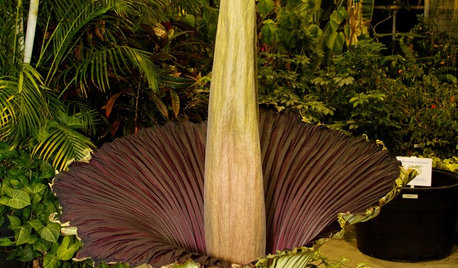
FUN HOUZZSmell This Shocking Flower at Your Own Risk
Don't say we didn't warn you: The foul scent of the rare and incredible corpse flower may knock your socks off
Full Story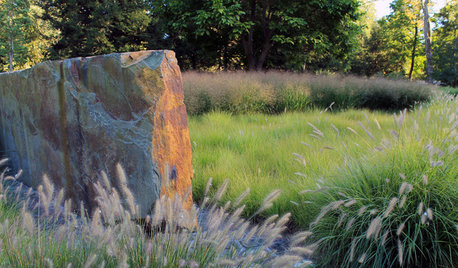
EARTH DAYThe Case for Losing the Traditional Lawn
Work less, help the environment and foster connections by just saying no to typical turf
Full Story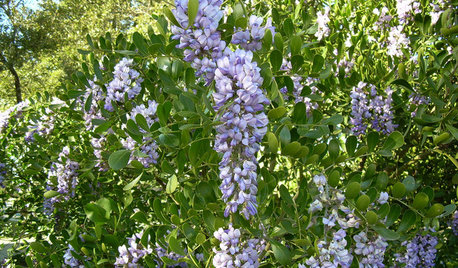
GARDENING GUIDESGreat Design Plant: Texas Mountain Laurel
An unusual scent and lush violet-blue blooms make this heat-loving plant a singular choice for your landscape
Full Story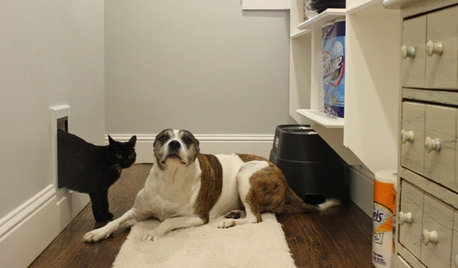
PETSPet-Proofing Your Home: A Room-by-Room Guide
Not all pet dangers are obvious. Keep furry friends safe and sound by handling all of these potential hazards
Full Story
GARDENING AND LANDSCAPINGBid Bad Garden Bugs Goodbye and Usher In the Good
Give ants their marching orders and send mosquitoes moseying, while creating a garden that draws pollinators and helpful eaters
Full Story
HOUZZ TOURSMy Houzz: Cozy Country Meets Bohemian Artistic in Australia
Healthy helpings of salvage and rustic art give a pastureland home free-spirited style
Full Story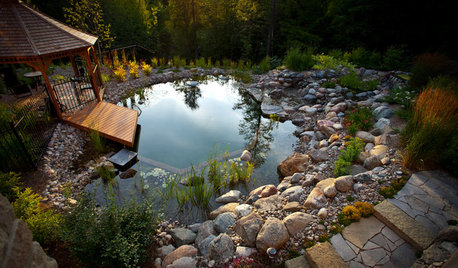
LANDSCAPE DESIGNNatural Swimming Pools: More Beauty, No Chemicals
Keep your skin and the environment healthy with a pool that cleans itself, naturally
Full Story
LIFEHow to Outsmart Backyard Critters
Learn to think like a raccoon, skunk or squirrel to keep your home safe and your garden intact
Full Story
EDIBLE GARDENSHow to Grow Your Own Sweet Summer Crops
This guide will help any gardener get started on growing the freshest warm-season veggies and berries for summer
Full Story
MOST POPULAR8 Backyard Ideas to Delight Your Dog
Cue the joyous soundtrack. These pet-friendly landscape and garden ideas will keep your pooch safe, happy and well exercised outdoors
Full StorySponsored
More Discussions
Gary C