

Cross pollination of native fruiting shrubs
14 years ago
Featured Answer
Sort by:Oldest
Comments (8)
 14 years ago
 14 years ago
Related Discussions
Can different Viburnum spp. cross-pollinate eachother?
Comments (5)Yes, there it is on Landscape Design. Steve, I hope you got the answer you needed after posting it in all those places :) Good luck, viburnum is certainly a wonderful group of shrubs. That is a great old classic thread that Brent linked there and worth linking again here for folks that don't go over there. Here is a link that might be useful: Original viburnum dentatum and friends thread...See MoreViburnum cross pollination
Comments (4)Your biggest challenge is to have overlapping bloom times - if you don't have that then they can't help each other. There are several threads that discuss bloom times for various viburnums ("Viburnum dentatum & friends" is one), you might want to look at those. Here is another one specifically about V. dentatum and cultivars. The other issue you could have is compatibility. While I do believe that many of the native viburnums are compatible for cross pollination (V. dentatum and V. nudum are the two native ones you mention), it is possible that they are not compatible with your non-native ones (the other four that you mention) even if you do have overlapping bloom times. Hope that helps. Here is a link that might be useful: V. dentatum & friends...See MoreCross pollination of blueberry bushes
Comments (10)I like spuddiesel's idea of planting three Elliot's for the landscaping value; I have a hedgerow of eleven northerns with two Elliott's, two Bluecrop, two Reka, Duke, Blueray, Earliblue, Ozark and Spartan - my Elliot's really stand out as the most attractive of the bunch with their almost golden-green foliage. That said, as others have commented, a second cultivar is needed for good cross-pollenation. I'd recommend a middle ripening cultivar with high landscape value such as Toro or Bluecrop; if you have room, add a Reka for an early ripening variety - mine are still rather small, but by reputation they are have outstanding. landscape value. Chandler would closely match the size/shape and landscape value of an Elliot, which can be one of the bigger cultivars and would be a good pollenation partner - the drawback would be in having a lot of late-ripening varieties. In a garden setting, the rule of thumb is one wants a mix of early, middle and late varieties to maximize the number of weeks you'll have fresh berries....See MoreCan cuttings cross-pollinate?
Comments (6)The first part of your last group of questions seems fairly hypothetical. If the reason that the plant was not self-fertile was due to non-overlapping male and female stages, and, this period could be adjusted enough by different conditions to brink these stages to overlap in different individuals, and, these individuals were brought together at the appropriate time, then sure, it would work. That's a lot of ifs and would be an unusual circumstance. As to the second question, yes; a hedge made from non-self-fertile clones would be infertile. One appropriate pollen donor could really stir things up....See More 14 years ago
- 14 years ago
- 14 years ago
- 14 years ago
- 14 years ago

Related Stories
GARDENING GUIDES8 Native Shrubs for Year-Round Bird Feeding
It’s not just about berries. These plants provide insects for birds and seasonal interest for gardeners
Full Story
GARDENING GUIDESGreat Design Plant: Grow Blueberries for Their Fruit and More
Eastern gardeners should consider growing blueberry plants for their delicious fruits, bee-friendly spring blooms and brilliant fall foliage
Full Story
FLOWERS AND PLANTSCornus Rugosa, an Understated, Elegant Native Dogwood
Plant roundleaf dogwood for showy white flowers favored by pollinators in spring and for beautiful foliage in fall
Full Story
GARDENING GUIDESGreat Native Plant: Baptisia
Bring beneficial bee pollinators with this drought-tolerant perennial that looks like a shrub and acts like a flower
Full Story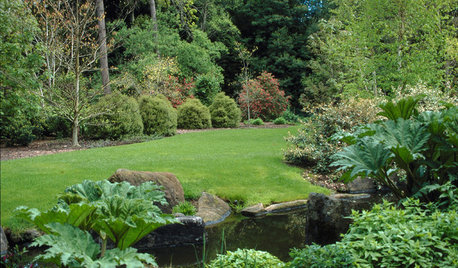
GARDENING GUIDESYou Don't Need Prairie to Help Pollinators
Woodlands, marshes, deserts — pollinators are everywhere
Full Story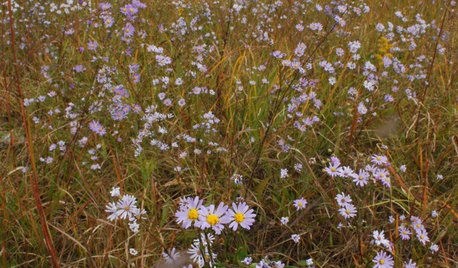
GARDENING GUIDES15 Native Flowers That Feed Native Bees
These perennials offer superfood to hundreds of bees and are gorgeous in their own right
Full Story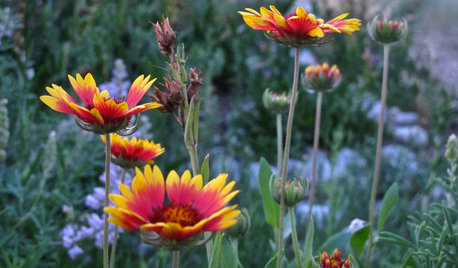
GARDENING GUIDESThese Hummingbird-Attracting Native Plants May Surprise You
These flowers, vines and shrubs offer shelter and food supplies that keep hummingbirds around longer
Full Story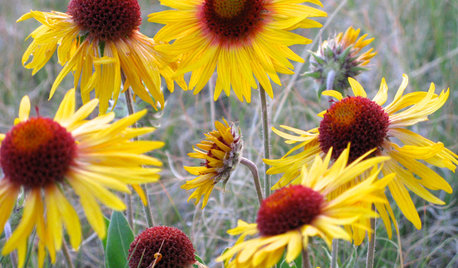
NATIVE PLANTS10 Top Native Plants for the Rocky Mountain Region
Give your landscape a sense of place, and attract pollinators and songbirds, with these native plants
Full Story
TREESHow to Buy Healthy Trees and Shrubs
A healthy young plant with a strong form is more likely to do well in your yard. Here’s what to look for at the nursery
Full Story
FLOWERS AND PLANTSEasterners: Consider This Native Alternative to Boxwood
Inkberry, or Ilex glabra, excels as a foundation plant or formal hedge perfectly suited to the East Coast
Full Story
More Discussions
SteveMontain