
Search results for "Pepper leaf curl" in Home Design Ideas
Refine by:
Budget
Sort by:Relevance
1 - 20 of 1,620 photos
Item 1 of 1

 Bella Vita Custom Homes & Remodeling
Bella Vita Custom Homes
Inspiration for a mediterranean travertine curved metal railing staircase remodel in Dallas with beige walls and travertine risers
Inspiration for a mediterranean travertine curved metal railing staircase remodel in Dallas with beige walls and travertine risers

 Tobi Fairley Interior Design
Photography - Nancy Nolan
Walls are Sherwin Williams Rainwashed
Bedroom - large transitional guest carpeted bedroom idea in Little Rock with blue walls and no fireplace
Bedroom - large transitional guest carpeted bedroom idea in Little Rock with blue walls and no fireplace
 kmjee
Pepper plants are a delightful addition to any garden, offering a vibrant burst of color and spice to your culinary creations. However, even experienced gardeners can encounter challenges when growing pepper plants. In this blog, we'll explore some common issues you might face and provide practical solutions to help your pepper plants thrive.
1. Slow or Stunted Growth
Issue: Slow or stunted growth in pepper plants can be discouraging, but there are specific steps you can take to address this issue effectively.
Solution:
a. Soil Health:
- Well-Draining Soil: Ensure your pepper plants are in well-draining soil to prevent waterlogged roots, which can inhibit growth.
- Organic Matter: Incorporate plenty of organic matter, such as compost or well-rotted manure, into the soil to improve its texture and nutrient content.
- pH Level: Test the soil pH and adjust it to the ideal range between 6.0 and 6.8 using lime or sulfur as needed.
b. Fertilization:
- Balanced Fertilizer: Use a balanced, slow-release fertilizer designed for vegetables to provide essential nutrients steadily throughout the growing season.
- Compost: Amend the soil with compost to enhance nutrient availability and soil structure. This can promote healthier growth.
c. Watering:
- Consistent Moisture: Maintain consistent soil moisture levels by watering your pepper plants regularly but avoid waterlogging. Aim for 1-2 inches of water per week, adjusting based on your local climate and weather conditions.
- Mulching: Apply mulch around the base of the plants to retain soil moisture and regulate temperature.
2. Yellowing Leaves
Issue: Yellowing leaves can be a sign of various underlying problems, but addressing them promptly can restore the vibrancy of your pepper plants.
Solution:
a. Nutrient Deficiencies:
- Balanced Fertilization: Use a well-balanced fertilizer that includes micronutrients to address nutrient deficiencies.
- Specific Nutrients: If you suspect a particular deficiency, such as magnesium, iron, or nitrogen, apply the appropriate nutrient supplement following package instructions.
b. Pest and Disease Control:
- Pest Inspection: Regularly inspect the leaves and stems for common pests like aphids and mites. Remove affected leaves and treat with organic pesticides if necessary.
- Disease Management: Look out for signs of diseases like bacterial leaf spot or fungal issues. Apply organic fungicides or bactericides as recommended.
3. Blossom Drop
Issue: When pepper plants drop their blossoms prematurely, it can hinder fruit development and lead to disappointment.
Solution:
a. Temperature Control:
- Stable Temperatures: Ensure your pepper plants are exposed to consistent temperatures between 70°F and 80°F (21°C to 27°C) during flowering. Avoid sudden temperature fluctuations by providing shelter or using row covers.
b. Pollination:
- Assist with Pollination: If growing peppers indoors or in a greenhouse, help with pollination by gently shaking the plants or using a small brush to transfer pollen between flowers. Outdoor pepper plants are usually pollinated by insects.
4. Wilting Plants
Issue: Wilting or drooping pepper plants can be a sign of various problems, but proper care can revive them.
Solution:
a. Watering:
- Consistent Moisture: Adjust your watering routine to keep the soil consistently moist but not waterlogged. Water early in the day to prevent fungal issues.
- Drainage: Ensure proper soil drainage by amending the soil or using raised beds to prevent waterlogged roots.
b. Pest Control:
- Pest Inspection: Examine the undersides of leaves for signs of pests like aphids, spider mites, or whiteflies. Treat infestations promptly with biological insecticides.
5. Curling Leaves
Issue: Curling or misshapen leaves indicate stress in pepper plants, which can be caused by various factors.
Solution:
a. Environmental Stress:
- Stable Conditions: Ensure your pepper plants are in an environment with stable humidity, temperature, and adequate air circulation. Avoid sudden changes in conditions.
- Proper Ventilation: Adequate air circulation can reduce humidity and prevent fungal issues.
b. Pest and Disease Management:
- Pest Inspection: Regularly inspect your plants for pests and diseases, addressing them promptly with organic remedies as needed.
6. Sunscald
Issue: Sunscald can lead to discolored, leathery patches on pepper fruits when exposed to intense sunlight.
Solution:
a. Shade Cloth:
- Sun Protection: Shield your pepper plants from harsh sunlight during the hottest part of the day using shade cloth or by planting them where they receive some filtered sunlight.
b. Pruning:
- Fruit Shading: Prune excess foliage to allow better fruit shading, reducing the risk of sunscald. Ensure that there's a balance between foliage and fruit.
7. Pepper Plant Pests and Diseases
Issue: Aphids, mites, whiteflies, and various diseases can affect pepper plants, but you can manage them effectively.
Solution:
a. Regular Inspection:
- Vigilant Monitoring: Regularly inspect your pepper plants for signs of pests or diseases, paying close attention to the undersides of leaves and stems.
b. Organic Remedies:
- Pest Control: Use organic remedies like neem oil, insecticidal soap, or diatomaceous earth for pest control.
- Disease Management: Apply organic fungicides or bactericides as recommended to manage diseases like powdery mildew or bacterial spot.
While growing pepper plants can present various challenges, these common issues are manageable with the right knowledge and care. Regular monitoring, proper soil preparation, and timely intervention can help you enjoy a bountiful harvest of vibrant, spicy peppers. Remember that gardening is a learning experience, and each challenge you face is an opportunity to improve your skills and enjoy the rewards of homegrown peppers in your favorite dishes.

 About Space Studios
Photo Credit: Nicole Leone
Living room - mid-sized transitional enclosed brown floor and dark wood floor living room idea in Los Angeles with no tv, gray walls, a two-sided fireplace and a tile fireplace
Living room - mid-sized transitional enclosed brown floor and dark wood floor living room idea in Los Angeles with no tv, gray walls, a two-sided fireplace and a tile fireplace


 Living Stone Design + Build
A rustic modern kitchen featuring custom wood cabinetry, stone accents, and sleek energy-efficient appliances, blending functionality with organic elegance in this sustainable mountain home.

 La Bella Vie
Jeff Herr
Example of a large classic slate floor sunroom design in Atlanta with a standard ceiling
Example of a large classic slate floor sunroom design in Atlanta with a standard ceiling


 User
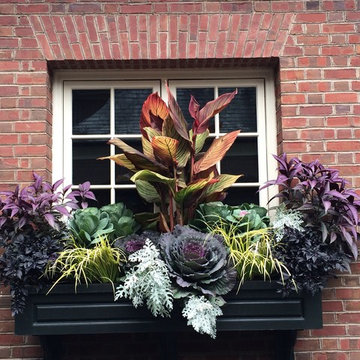
Tomatoes, eggplant, and peppers are planted above yellow melampodium. Learn how to grow easy vegetables that look great on your patio from the book "Easy Container Combos: Vegetables & Flowers." See a free, 24 page sample of the book at www.pamela-crawford.com. in the 'Books' section. Pamela Crawford designed and photographed the planter. Pamela designs landscapes throughout Palm Beach County, FL, including Boca Raton, Delray Beach, the town of Palm Beach, Palm Beach Gardens, Jupiter, and Wellington.

 Melinamade - Residential Design + Interiors
A remodeled modern and eclectic living room designed with Lisa Rubenstein. This room was featured on Houzz in a "Room of the Day" editorial piece: http://www.houzz.com/ideabooks/54584369/list/room-of-the-day-dramatic-redesign-brings-intimacy-to-a-large-room


 User
The original wood ceiling of this mill turned loft apartment adds unique charm and personality. Original artwork peppered throughout, unify the space with style and color. An antique Persian rug in deep orange and brown adds softness while complementing the depth of the hardwood floors. The mahogany drop-leaf side table displays a ceramic turquoise lamp which pops against the off-white wall. Cabinets stained in cinnamon toned cherry adorn the kitchen which is just out of view.
Photography by FishEye Studios


 CHRISTIAN DEAN ARCHITECTURE, LLC
Photo by:Chad Holder
Inspiration for a mid-sized contemporary open concept dark wood floor living room remodel in Minneapolis with white walls, a ribbon fireplace, a plaster fireplace and no tv
Inspiration for a mid-sized contemporary open concept dark wood floor living room remodel in Minneapolis with white walls, a ribbon fireplace, a plaster fireplace and no tv
 Doug Towle
Enclosed dining room - country dark wood floor enclosed dining room idea in Boston with gray walls

 Dona Rosene Interiors
ASID 2018 DESIGN OVATION SINGLE SPACE DEDICATED FUNCTION/ SECOND PLACE. The clients requested professional assistance transforming this small, jumbled room with lots of angles into an efficient home office and occasional guest bedroom for visiting family. Maintaining the existing stained wood moldings was requested and the final vision was to reflect their Nigerian heritage in a dramatic and tasteful fashion. Photo by Michael Hunter

 New Leaf Custom Homes | Dallas
Transitional white two-story mixed siding house exterior idea in Dallas with a hip roof and a shingle roof
 decor8, LLC
Stylist Leslie Shewring / Homeowner Sarah Sherman Samuel / Photographer Laure Joliet
Home design - 1960s home design idea in Boston
Home design - 1960s home design idea in Boston

 AM Dolce Vita
Michelle AM Dolce Vita, Scandinavian cottage style, Nordic cottage style, Scandinavian living room, modern rustic living room, Rove Concepts Norman counter stools, Florence Knoll style tufted sofa, floating TV cabinet, Ikea Stockholm coffee table bench, Tonic living pillow, faux fiddle leaf fig tree in a basket, salt and pepper cowhide rug, modern rustic living room, pink kilim pillow
1