

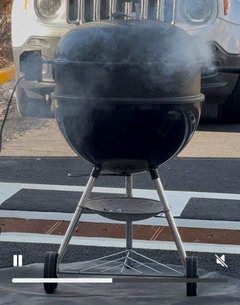
Do you do spring cleaning or prep for your outdoor cooking?
last year
Featured Answer
Sort by:Oldest
Comments (13)
 last year
Related Discussions
How Do You Cook Your Beans?
Comments (50)This is from "The Book of New Israeli Food" by Janna Gur BASIC HUMMUS DIP Ingredients (serves 8-10) 1lb 2oz. small dry chickpeas 1Tblsp + 1/2 tsp baking soda 1cup raw top quality tahini 1Tblsp freshly squeezed lemon juice 2 cloves garlic, crushed salt to taste Directions 1. Soak the chickpeas overnight in a large bowl of cold water with 1 Tblsp of baking soda. 2. Drain and rinse the chickpeas and put them in a large pan. Add water until it reaches 1 inch above the chickpeas. Add remaining 1/2 tsp of baking soda and bring to a boil. Cook covered over low heat for 2-3 hours, until the chickpeas are very soft. Cool slightly, drain and save some of the cooking liquid. 3. Put the chickpeas in a food processor, add 2/3 cup tahini and process until smooth. If the paste is too thick, add a few tablespoons of the cooking liquid. Season with lemon, garlic, and salt; taste and adjust the seasoning. For a richer creamier version, add the remaining tahini and process until the hummus is completely smooth and fluffy, *****Galilee Style Hummus Set aside 1 cup of chickpeas. Puree the rest with 1/2 cup tahini and the seasonings. Add the whole chickpeas and mix, slightly mashing the chickpeas. The texture should remain somewhat chunky....See MoreDo You Love To Cook? Cook A Lot? Multiple Cook Family?
Comments (27)This thread, which I didn't catch the first time around, made me think. In general, I cook to eat and feed my family. However, I do enjoy baking for special occasions. I think that if I didn't work outside the home I would cook more...and be more adventurous. But, I work and have a long commute so by the time I get home I have to make fast meals with little time for creativity or major prep work. So, we eat a lot of frozen veggies--as is out of the bag, pre-cooked meats warmed up, pasta, soup, occasionally waffles/pancakes/eggs, potatoes, etc. I.e., for the most part things that I can cook fast. One up side to this is that our meals haven't changed that much w/o a kitchen since we do have a MW, Toaster Oven, and hot plate to cook with! One very big downside to this, though, is that my children are not learning to cook like I did from my mom. Back on topic... After finding this site and reading about zones, I realized that one thing that I really wanted was a baking center. So when my kitchen was being designed I had it in the back of my head that whatever we ended up with had to have an area I could designate my "Baking Zone", preferably near the ovens--with room to roll out dough, spread out cookie sheets, and have cookie cutters spread out all at the same time! The other thing I got from this site was our window...having the window down to the counter (OK, not cooking-related, but a very important design element!) Our very first plan that our KD came up with had input from us...but a very naive/ignorant us! (Before GW...BGW!) Then....I found this site.....and the changes began. Actually, I posted that original plan and asked for help (and also asked my KD to start over w/no island) Many, many people here helped me come up with a plan over several weeks (months?). We finally came up with a plan that has changed little since then. Interestingly, when I took away the island "must have", my KD came up with a plan very similar to what we came up with here. The only 3 differences were (1) no mini peninsula, (2) a 36" pantry cabinet rather than a corner pantry, and (3) no separate Message Center cabinets. My KD wasn't completely happy w/our differences, but she, wisely I thought, told me to go home and mock up what I wanted to see how it would work (same advice I got here!) Well, the mock up was great! It proved that I did indeed want the mini peninsula (I liked it so much I left the mock up in place until demo and used it!) When I told her the results, she didn't argue, she accepted it telling me it's my kitchen, so ultimately it's up to me. So in the end, my design was/is based on what I wanted, not what the KD wanted. [If only someone else had measured my kitchen and she was given more authority, I think a lot of subsequent problems would have been avoided.] Our kitchen isn't done yet, but it's close...so I can't yet tell you how it is going to work for us...but we are so......See MorePrep sink 'rules' -how do you use yours?
Comments (4)We will have one Fisher Paykel dishwasher drawer to the right of the prep sink. This will ensure that prep utensils are cleared as prep continues and no one is tempted to leave them for later. Also when we are empty nesters this will probably also be our clean up sink and main dishwasher because we know we'll only fill up a big dishwasher about every 3 days with just the 2 of us in the house. The cleanup sink is in a completely different area furthest from the great room for several reasons. First, we often just want to relax with guests after the dishes are cleared. When they are removed to the far end of the kitchen they can be hidden in the deep farmhouse sink and done when more convenient. The prep sink will then be available for water for coffee and the prep island for setting out desserts. Secondly, the cleanup sink is in an area where many people can work efficiently for a big clean up effort such as for Thanksgiving. The prep sink is really "my" sink and is part of the main work station for everyday cooking. As rhome does, I just make sure to clean well after raw meat is anywhere in my kitchen so the prep sink will be using for meat as well as veggies and fruit. Sorry for jumping verb tenses back and forth. The kitchen doesn't fully exist yet but it's been in my head for so long I feel like I'm already cooking in it....See Moredo you really use your prep sink??
Comments (15)judydel, I think that your kitchen and mine have many similarities--both working kitchens. The "prep" sink on our peninsula is a full-sized single basin I've written about on GW many times. (Like yours, I meant to have it closer to front door and gar. door to short-stop dirty hands and dirty produce, but in planning, it migrated to the kitchen peninsula along a corridor that has outdoors access.) I use it gratefully when there's produce to deal with--esp. prep for dehydrator preservation and freezing--but it's primarily for day to day cooking with fresh foods. We don't use a lot of preprepared foods so the sink receives ingredients and utensils and knives. The order of arrangement is refrig-prep sink-pull-out cutting board-range. It's one continuous place. We decided to put money into the infrastructure, not the decorations and style, so we have plain white Kohler cast iron for both sinks and don't regret it. Yes, indeedy, two cooks use both sinks in food prep, often interchangeably, plus the peninsula sink serves many other functions. On cleaning day, the peninsula sink's where the washbucket sits awaiting a new task. When there's a dinner party or a happening on the deck at back of house, this sink is accessed to serve the table while the cleanup sink is accessed to process dirty dishes. I admit: the peninsula sink is big enough that I use it for stupid things, like temp storage of produce or newspapers or mail when I need to clean off the peninsula counter for another purpose....See More last year
 last year
 last year
 last year
 last year
 last year
- last year
 last year
 last year
 last year
- last year

Related Stories
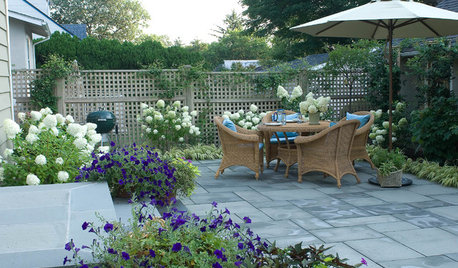
GARDENING AND LANDSCAPINGGet It Done: Clean and Prep the Patio
Haul out the hose and bid cobwebs farewell. It's time to renew your outdoor room for relaxing, dining and entertaining
Full Story
HOUSEKEEPINGOutdoor Home Prep to Do Before Hard Winter Hits
Avoid cracking, rusting and rotting during freezes by taking care of these tasks now
Full Story
LIFESpring-Clean! And 7 More Ways to Make the Most of This Weekend
It’s time to clear out a closet, get ready for celebrations and, in some areas, get out the grill
Full Story
KITCHEN DESIGNSpring Clean Your Kitchen
Scour our 15 ways to ditch the dirt and get rid of the gunk, leaving your kitchen spick and span in time for spring
Full Story
HOUSEKEEPINGFind Your Perfect Spring Cleaning Plan
Choose from six flexible approaches to refresh your home without the stress
Full Story
FALL GARDENING3 Chores to Do Now to Prep Your Garden for Winter and Spring
These basic moves will revive your soil, renew your tools and make for a fruitful harvest next year
Full Story
OUTDOOR KITCHENSHow to Cook Up Plans for a Deluxe Outdoor Kitchen
Here’s what to think about when designing your ultimate alfresco culinary space
Full Story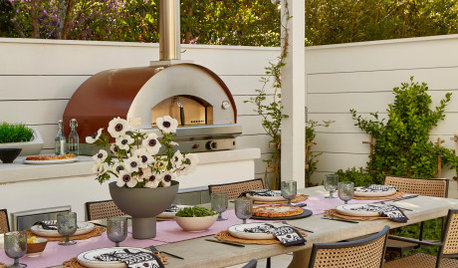
OUTDOOR KITCHENS10 Reasons to Cook and Eat Outdoors This Summer
Meals prepared and eaten outside feel special. They’re easier on the cooking and cleanup crew too
Full Story
HOUSEKEEPING20 Things You Might Be Forgetting to Spring-Clean
Clean these often-neglected areas and your house will look and feel better
Full Story
HOUSEKEEPINGPick and Choose Your Spring Cleaning Tasks
Tackling a few of these sometimes-neglected details will help your home feel fresh again
Full StorySponsored
John Liu