

Wild Ones, Native species garden group
3 years ago
Featured Answer
Sort by:Oldest
Comments (12)
Related Discussions
Mixing Wild Berry & White PowWow Coneflowers in a planting group?
Comments (2)I think white and pink coneflowers look pretty together. The mix of Powwow berry and white together would probably give you a more uniform look to the plants. You could try a zig-zag pattern, 3 whites in back and 2 pinks in between in front. I have Powwow berry, but not white. I've got other whites - 'Primadonna', White Swan and Baby swan and assorted pinks, Prairie splendor, Powwow, Bravado, and a seedling I've selected, and they are sort of randomly mixed. Most were started from seed. Here's white swan with some random E. purpurea taken a few years ago-...See MoreMixing Wild Berry & White PowWow Coneflowers in a planting group?
Comments (2)Hi CEFreeman, I read your posts on the Kitchen Forum, I hadn't realized I could find you here also! Thanks for your response. The pictures I have found of white being a contrast color (such as in a field or bouquet) to blue or red or pink (or whatever) show a mixture of individual flowers. The white breaks up the visual, causing the color to pop, and not be all the same color. You are right, it is stunning. But these echinacea are not single bulbs, but a grouping of white and another grouping of the wildberry color. It is very hard to find any photos online where they are grouped together, and when they are (such as this photo), they still look like a row (although a few whites seem to have gotten in the back of the berry in the photo). I am finding it hard to imagine a 'circle' where they would mingle, because the spread of each is 12 - 18 inches, making a grouping of one color. If you planted them closer together, I think it would just look crowded, not mixed anywhere except at the overlap point. I think that would look sloppy and careless, not pretty and wild, plus it wouldn't be as good for the plant to not let it reach its potential width. I hope I am explaining it so that it makes sense. Thanks again for your input, and any thoughts in helping me to imagine how they may look when filled in. Maybe I can do a white grouping, a berry, a white, a berry, and a white. Even though they would be in a row, and look a little like an alternating checkerboard, it is the closest I can imagine to a pattern with one color offsetting the other....See MoreCan the wild species roses be tamed to climb a fence?
Comments (14)I love species roses! I have numerous CA native species and have seen others elsewhere. R. gymnocarpa at Rancho Santa Ana Botanic Garden near me I've never seen get over 2 1/2 to 3 feet tall. Short and bushy. Not a climbing habit. I didn't notice it suckering. I grow R. pinetorum 'Beatrice Howett' from RSABG. It is also a small rose. I haven't had it all that many years in my garden, but it hasn't suckered. However at RSABG it is well-established and suckering happily. It's more a lax grower there and doesn't look big enough to climb a fence unless it was a very short one. RSABG grows selections of R. californica from different parts of the state, and they do indeed have a variety of habits, from short and sparse to bushy to climbing, some even completely thornless. All of them I've seen sucker from moderately to A LOT. The one I grow that is capable of climbing (with support) is R. californica 'First Dawn'. Canes are long and pliable, it has only moderate thorns, and is in the moderately suckering category. It has the best rebloom of any R. californica I have yet seen. RSABG also has R. nutkana. It suckers pretty wildly, and the ones I've seen have gotten maybe 5 feet tall. Then there is R. minutifolia. At RSABG it has been growing for decades and it spreads rather than pops up in entirely new spots like the suckering champions do. I have numerous R. minutifolias in my yard. Two of which I am training to climb up Monterey Cypress 'Citriodora'. I decided to have fun and experiment since I like this rose so much, give it a challenge. It seems to be working with one of the plants already reaching around 6 feet up. Minutifolia tends to be an arching grower (but some plants are very shrubby), building big mounds that kind of spread like a fungus.;) R. minutifolia can become unhappy and die in areas with too much rainfall. RSABG also has R. spithamea. It is kind of short and bushy there (2 to 2 1/2 feet), but that plant hasn't been growing on the grounds very long so I don't know if it will end up getting much taller. I wonder though because they planted it right in front of a big educational sign and I would think they wouldn't if it was going to get huge. I haven't noticed it suckering, but it is probably too soon to say....See MoreHelp Turning Cleared Red Spruce Forest Into Native Pollinator Garden
Comments (31)UPDATE 2020 JUNE I was planning to check the progress in May and then again in July, but all travel is off this year due to COVID19. So luckily for me, I have a close family member that has been checking on the project for me as well as pulling the ferns every couple of weeks to allow the other plants a chance. Another reality for me is that the deer on this island are overpopulated and will eat everything they can, which makes matters even more tough. In May I was sent photos of new growth that was popping up which turned out to be bunchberry dogwood, a species I didn't plant and that I have never seen in July. Then when my relative checked again in a couple of weeks, the ones that were initially there were gone and others had popped up. So i presume the deer eat thee every year and never allow them to grow to maturity so I don't see them in July. As of 2 weeks ago, out of the 75,000 or so seeds I planted, exactly one was positively identified, one of the Wild Lupine seeds has made it and is growing! Supposedly it is deer resistant so fingers crossed. I should have more updates throughout the year and will check in about the progress. One other good piece of news was that the small blueberry plant I dug up and moved to the area last September, has survived the winter and is growing fresh leaves. That's really wonderful news because I only watered it one time before having to leave, and now 9 months later it's alive and well. So I will be able to repeat this many times over now (whenever I can get to Maine) and hopefully in 3-5 years I can establish a very large area of low bush blueberries. It's been very dry in Maine so far and my hope is that the other seeds I planted are still waiting to make an appearance somehow. Presumed Bunchberry Dogwood The Blueberry plant I transplanted in september and survived (pic from this May) And here is my one confirmed successful seed (so far), the Wild Lupine (from June)...See More- 3 years agolast modified: 3 years ago
- 3 years ago


Related Stories
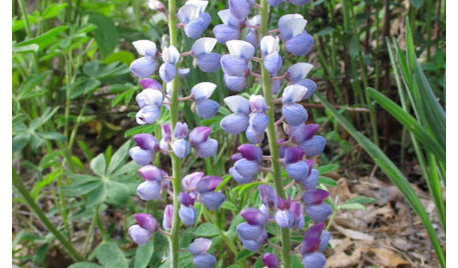
GARDENING GUIDESGreat Design Plant: Wild Lupine Dresses Up Rocky Gardens
Spiky blue flowers and a high tolerance for poor soil make this plant ideal for tough sites
Full Story
CONTAINER GARDENSWant Compelling Garden Minimalism? Think One Plant, One Pot
Highlight a show-worthy stunner or elevate a pedestrian plant by giving it a solo starring role in the garden
Full Story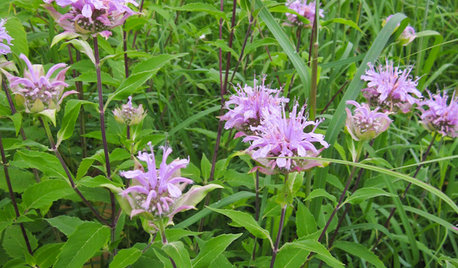
NATIVE PLANTSGreat Design Plant: Wild Bergamot, Friend of Foragers
Nourish butterflies and other winged creatures with the tubular flowers of Monarda fistulosa, a pretty pink native
Full Story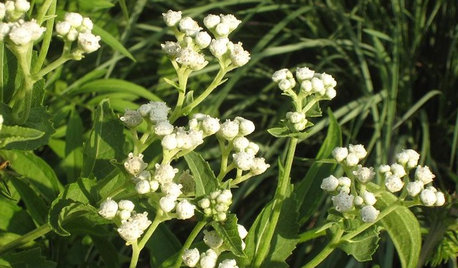
NATIVE PLANTSGreat Native Plant: Grow Wild Quinine for Its Unique Clusters of Blooms
Get connoisseur cred and unique blooms with this uncommon plant. Bonus assets: It’s low maintenance and drought tolerant
Full Story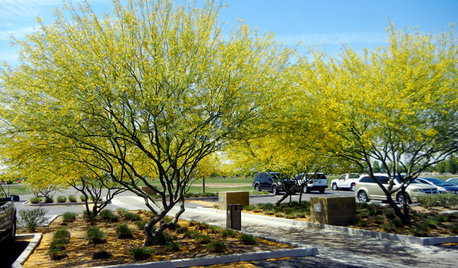
GARDENING GUIDES10 Essential Native Trees for Southwestern Gardens
Add beauty and welcome shade to arid gardens with one or more of these trees from the region
Full Story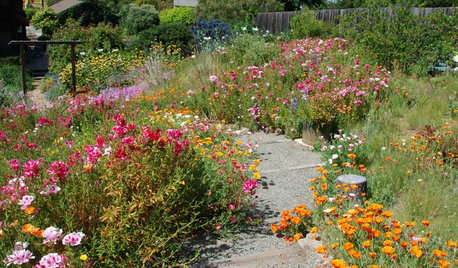
EARTH DAYHow to Design a Garden for Native Bees
Create a garden that not only looks beautiful but also nurtures native bees — and helps other wildlife in the process
Full Story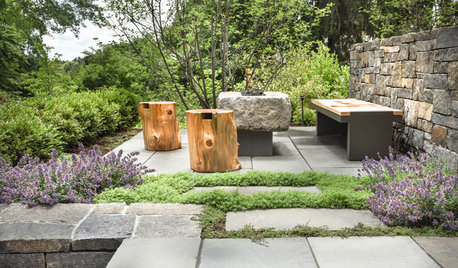
LANDSCAPE DESIGNNative Plants Help You Find Your Garden Style
Imagine the garden of your dreams designed with plants indigenous to your region
Full Story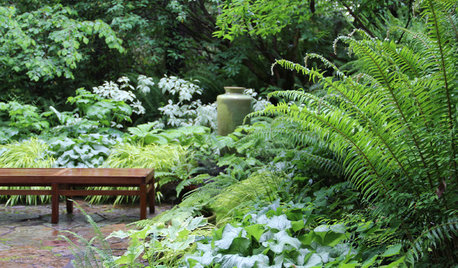
GARDENING GUIDES9 Top Native Plants for Beginning Gardeners
When you’re just starting out, choose easy-to-grow natives like these adapted to your area
Full Story
FLOWERS AND PLANTS10 Essential Native Grasses and Sedges for Mid-Atlantic Gardens
This collection of common grasses will thrive in the home landscape
Full Story
GARDENING GUIDES14 Beautiful Native Plants for Shade Gardens
These hardworking perennials thrive in areas with dappled light to full shade and create a lovely woodland garden look
Full Story

lily316