

Could not be any clearer..
6 years ago

Featured Answer
Sort by:Oldest
Comments (194)
 6 years agolast modified: 6 years ago
 6 years agolast modified: 6 years ago
Related Discussions
using eggshells
Comments (14)Here's your post Carolyn Blossom End Rot (BER) is one of the most common tomato problems seen in the early part of the season. It is a physiological condition, not a disease caused by a fungus or a bacterium or a virus. Therefore it cannot be treated. And as I'll explain below, it is very difficult, if not impossible, to prevent. BER has nothing to do with the blossoms, it refers to the fact that at the end of the tomato opposite the place where the tomato is attached to the stem, called the stem end, is the bottom of the tomato, which is called the blossom end. You often can see remnants of the blossom attached to that end as the tomato forms. At the blossom end one sees a flattened area that looks leathery and initially brown and then black, as the fruit rots. BER is said to occur when there is uneven watering, drought, heavy rainfall, excessive nitrogen fertilization, rapid plant growth or root pruning during cultivation, high winds and rapid temperature changes. So lots of conditions have been associated with BER. But the rapid plant growth and nitrogen fertilization are both common to conditions seen early in the season, and indeed, that is when most BER occurs. Then it usually just goes away. BER occurs because under the conditions just stated, Ca++ moves from the fruit into the vasculature (stems) of the plant. Or, some feel that Ca++ never reaches the fruits becasue under stress demand for Ca++ exceeds supply.This lowered amount of Ca++ is what causes BER. Excessive rates of transpiration (kind of like sweating in humans) also is involved in Ca++ displacement. Thus, the plant as a whole is NOT Ca++ deficient, the Ca++ has just been displaced. It has been shown that plants that have normal Ca++ levels in the stems can have BER fruits, so the problem is not one of lack of uptake from Ca++ in the soil. Many books and magazine articles tell you that by adding Ca++ in the form of lime or eggshells, for instance, that you can prevent BER. That does NOT appear to be true. It was several years ago that I found out that University field trial experiments have so far failed to show that BER can be prevented by addition of Ca++. I recently e-mailed my friend at Cornell who told me all this two years ago, to again confirm that it was still true, and will update you, if necessary. Peppers and many cole crops are also susceptible to BER and there's quite a bit of literature on BER and Ca++ for those crops also. The results are the same; addition of Ca++ does not prevent BER. Some data strongly suggests that foliar spraying with Ca++ is of no use because not enough gets to the fruits to do any good. And it's known that the sprays for fruits that are sold are useless. No molecules can get across the fruit epidermis. If they did, just what do you think would happen to the fruits when it rained.LOL However, use of Ca++ sprays on small still green fruits, again, has been shown by some, not many, to help since the epidermis of those small fruits is more permeable, Not all varieties of tomatoes get BER. Some never do, others are horrible. That's not surprising since certainly there are slight physiological differences between varieties. After all, almost all garden tomatoes, with the exception of the currant tomatoes are in the same genus and species, Solanum lycopersicum. And we humans are all in the same species, Homo sapiens, var. sapiens...and look how different some of our physiologies are. Whoa! So, BER is a physiological condition, cannot be cured, and current literature data suggests it cannot be prevented. It occurs on some, but not all varieties of tomatoes, is usually seen early in the season and then stops, for most folks. It would be nice to say that you could even out your watering, prevent droughts and heavy rainfalls, ensure even and not rapid growth of plants and not disturb the roots by shallow cultivating. But on a practical basis, I think we all know that's almost impossible. So, BER has never bothered me, I just ignore it, and it goes away with time. Adding Ca++ to soils that are Ca++ deficient makes sense, but few soils are. And if soils are acidic, Ca++ is not taken up well but addition of Epsom Salts to the soil can aid in Ca++ uptake in such acidic soils. Many folks add Ca++ and then see that BER disappears. What they fail to realize is that BER is going to go away anyway, as the season progresses. And that's because as the plants get larger they are better able to handle the many stresses that can induce it. So one cannot correlate addition of Ca++ to disappearance of BER. Universities have done so many stidies on this already because BER is a billion dollar problem in the commercial veggie industry. Of all the stresses that can induce BER the two that are most under control of the home gardener are fertilization and water delivery. That is, too much fertilizer causes plants to grow too rapidly and is perhaps one of the major causes of BER developing. Too rich soils do the same thing. Plant growth simply outstrips the ability of Ca++ to get to the fruits. Mulching to help ensure even delivery of water also can be done and is also one of the two major causes, IMHO, of BER. BER appears usually on half ripe fruits but also can appear on grass green ones.Lack of Ca++ only occurs at the blossom end of the fruit and it causes tissue destruction which leads to that papery greyish/blackish lesion appearing.Now sometimes that lesion opens up and fungi and bacteria enter and that causes the rotting and also the appearance of fungal growth on and in the lesion. Sometimes one can see what's called internal BER and that's seen when you cut open a tomato and the insides are black but there are no external symptoms of BER. Just pick off any BER fruits that appear and soon the next fruits to ripen will BERless. Many books, magazine articles and websites still say to add Ca++ as lime, eggshells, etc, and seem not to be aware of all the research that has been done in the last 30 years. But many books, magazine articles, are now sharing this newer information about addition of Ca++ not being able to either prevent or cure BER except in rare situations of low Ca++ soils or acidic soils. I suppose it will take another generation for the right information to be present everywhere. And from my own experience i can tell you that there will be folks who will get madder than can be when they read this kind of info because they simply believe otherwise. So be it. Addition of modest amounts of Ca++ aren' t harmful, but I feel strongly that folks should know what's going on with past and current research re BER and Ca++. &&&&&&& Hope the above helps. Carolyn Dave...See Morecould i paint the exterior brick a off white ? or any suggestions ?
Comments (10)I'm the first one to say paint ugly brick. This is good looking brick, great colorway. Lots you can do with it to push it to a ligher vibe. Consider losing the dark gray trim, maybe ditch the shutters entirely. The gutter and downspout color actually looks good. Pull that for the shingles and trim too; edit and simplify is almost always a good plan for an exterior. Would be nice if you could redesign/bulk up the columns; first thought is a natural wood stain instead of painted....See MoreAny guesses as to what this could be....
Comments (19)Linda, I just had a peek @ 'High Voltage' on the HL and it sure looks like a better guess than 'Amalia', which has a wavy edge to it and that's not very evident in the NOID. Don't think it's 'Undulata'. While it's hard to judge size from a picture it looks to have larger leaves than the plant in front of it. HV is a better fit in that respect. Pieter...See MoreDoes anyone have any Pitch Pine tree seeds they could spare?
Comments (3)@BillMN-z4a just removed the tag. Thanks for the heads up....See More 6 years agolast modified: 6 years ago
 6 years ago
- 6 years ago
- 6 years ago
- 6 years agolast modified: 6 years ago
- 6 years ago
- 6 years ago
- 6 years ago
- 6 years agolast modified: 6 years ago
 6 years ago
 6 years ago
- 6 years ago
- 6 years ago
- 6 years agolast modified: 6 years ago
- 6 years ago
- 6 years ago
 6 years ago
 6 years ago
 6 years ago
- 6 years ago
- 6 years ago
- 6 years ago
- 6 years agolast modified: 6 years ago
- 6 years agolast modified: 6 years ago
 6 years ago
- 6 years agolast modified: 6 years ago
- 6 years ago
- 6 years agolast modified: 6 years ago
 6 years agolast modified: 6 years ago
- 6 years agolast modified: 6 years ago
- 6 years ago
- 6 years agolast modified: 6 years ago
- 6 years ago
- 6 years ago
- 6 years ago
- 6 years agolast modified: 6 years ago
- 6 years agolast modified: 6 years ago
- 6 years ago
- 6 years ago
- 6 years agolast modified: 6 years ago
- 6 years ago
- 6 years ago
- 6 years ago
 6 years ago
- 6 years agolast modified: 6 years ago
- 6 years agolast modified: 6 years ago
- 6 years ago
- 6 years ago

Related Stories
FURNITUREThe Classic Slipper Chair: A Handy Accent for Any Room
14 great ideas for using this superbly versatile armless chair around the house
Full Story
BLUE AND GRAY FOLIAGEThe Underdog Color That Fits Any Garden
Green usually gets all the glory in landscapes, but this surprise garden contender sets off a wide range of blooms to their best advantage
Full Story
PRODUCT PICKSGuest Picks: If I Could Have a Dorm Room Do-Over
One interior decorator reimagines the drab dorm room into a stylish, fun space to study and sleep
Full Story
BUDGET DECORATINGHow to Refresh Your Bedroom on Any Budget
You can improve your sleeping quarters for a better night’s rest, whether you have $100 or $10,000 to spend
Full Story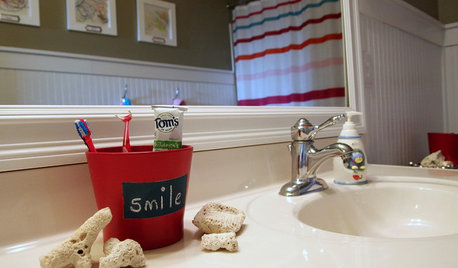
FUN HOUZZThese 7 Bathroom Habits Could Save Your Relationship
Kick the ‘ick’ from your bathroom to prevent another argument about mold in the shower and beard hair in the sink
Full Story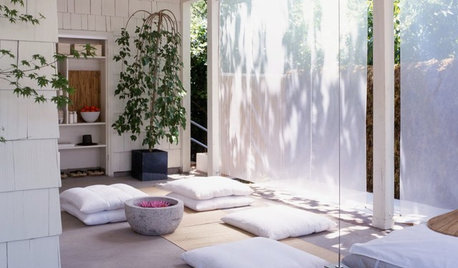
DREAM SPACESIf You Could Choose One Dream Space ...
Yoga room, wine cellar, infinity pool or tricked-out garage — which of these luxurious rooms would be at the top of your list?
Full Story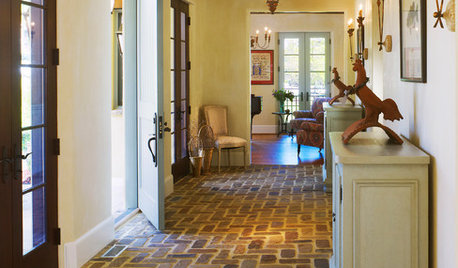
RUSTIC STYLEBrick Floors: Could This Durable Material Work for Your House?
You love the old-world look, but will you like the feel of it underfoot? Learn the pros and cons of interior brick flooring
Full Story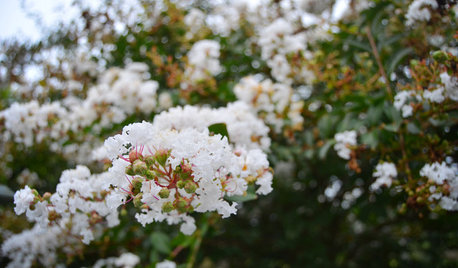
GARDENING GUIDESBrighten Any Garden With White Crape Myrtle
A terrific supporting player to other plants, white crape myrtle can help a walkway or other parts of a landscape gleam
Full Story
BUDGET DECORATINGHow to Refresh Your Kitchen on Any Budget
With the right ingredients you can make this key room more stylish and functional, whether you spend $100 or $10,000
Full Story
SMALL SPACESCould You Live in a Tiny House?
Here are 10 things to consider if you’re thinking of downsizing — way down
Full Story
sephia_wa