

What food do you avoid?
8 years ago
Featured Answer
Sort by:Oldest
Comments (35)
 8 years ago
Related Discussions
What do you do to avoid it all?
Comments (10)Shirley.. Like you anything that had to do with using my head like that was out after our baby son died 5 years ago... I acutally got a lot of or actually tackling projects that I had not gotten too... but that were for the most part mindless... it gave my head a a break and my heart time to at least start the process of healing... it take a long time but each day it gets a little better. Lots of hugs for you! Maddiemom...See More7 foods to avoid for weight loss - GM foods top the list
Comments (46)I live the Virgin diet every day. It should be called the Virgin Lifestyle. This is a good diet for people with intolerances and who have a very difficult time losing weight, but it's great for everyone I think because it makes complete sense and is super natural. It's a ten-week plan to lose weight and discover intolerances. Take out 7 foods for three weeks then reintroduce them one at a time for the next seven weeks. Below I've explained the reasons for taking out these 7 foods. Gluten: contains lectins that bind to insulin, which creates insulin resistance and can make your blood sugars rise, making it hard to lose weight. Gluten is also an inflammatory. Soy: a phyto-estrogen, a plant source of the hormone estrogen. It's also heavily genetically modified. Dairy: like gluten, acts as an isulin resistant. It's nearly impossible to find hormone-free milk. So, hormones and rising blood sugar=acne and fat. There are studies out there that show countries with the highest dairy consumption have the highest levels of osteoporosis. On the contrary, countries that rely on calcium rich foods have a much lower rate of osteoporosis. I've read that the pasturization process of milk breaks down the protein that allows our bodies to absorb the calcium. I believe all this but there is still a huge debate about it. Corn: inflammatory and a high-glycemic food Peanuts: inflammatory and high in lectins. Eggs: inflammatory. If you have sensitivity to corn and soy, eggs might affect you because the chickens are probably fed corn and soy. I have a huge intolerance to fat so another reason eggs bother me. Sugar: we all know that's bad! And don't be fooled by agave necter...higher in fructose than high fructose corn syrup. I'm 5'8 and was 148 lbs. I'm now 135 and holding. In two weeks, my injured knee from subluxation over a year before wasn't hurting and felt stronger. My ankles reduced by 1/2 inch, something I thought was genetic but I guess was just excess fluid. I never really had bad acne, but what I did have cleared up and my blackheads reduced significantly. Also, my menstrual cycle went from seven days to three. My head felt clearer and I had more energy. I rarely have wind or bloated belly as well. The cellulite on my legs reduced by about 50%. I made a point to not exercise the first three weeks to see how effective just changing my diet was. ALL these changes happened without exercise, though of course after the three weeks I went back to yoga. I don't think everyone needs to cut out all of these foods. I also know some people won't have as many changes as I did. But I don't see how it will hurt to try, just to see what changes might happen to you! I think JJ knows what she's talking about. In regards to sticking to it, I cheat every once in a while but I usually feel so bad when I do that I find myself cheating a lot less. Good luck!...See MoreMore food avoidance
Comments (25)I can't eat soy and now, since my gall bladder was removed, I find I have issues with dairy. I can eat it in moderation, but for some reason especially nonfat yogurt is not good. I think the big thing with corn (along with soybeans, sugar beets and canola) is the vast majority of it in the States is now GMO. GMO can be a good thing or a bad thing depending on what it accomplishes. "the Food and Drug Administration doesn’t require any safety assessment of genetically engineered crops*" The bad thing is they are now breeding insecticides into the genetic make up of the plant which means it gets into your system when you eat it which then works on your gut bacteria, doing to them what it does to the insects. That's why GMO corn can be so bad for you. Because corn is wind pollinated, cross contamination becomes difficult to avoid. april, I'm sure you've tried, but I just want to mention about probiotics, just in case. Sounds to me like your biome, which is responsible for digesting so much of our food, really needs a boost. There are different probiotics out there now, many of which are formulated to survive the stomach and make it into the intestines. There's also kimchi and sauerkraut and apple cider vinegar with mother, and other foods that are supposed to be very probiotic. If worse comes to worse, there's always a stool transplant.... -------- *Consumer reports on GMO foods...See MoreFood Safety — what steps do you take to prevent food borne illness?
Comments (30)I used a Bluetooth temperature monitor for my stand-alone freezer (before I got a standby generator) - you place it in the fridge or freezer, and can check the temperature with an app on your phone if you're in Bluetooth range. It stores the temperature in between times you download......For instance, if you've been away and want to check the temperature while you've been gone, you download it to your phone once you're back and in range, and it will give you the last however many weeks or months of data since you last downloaded it. We use them at work now too. These are the ones I use - inexpensive and very useful: https://inkbird.com/products/bluetooth-hygrometer-thermometer-ibs-th2-series...See More- 8 years ago
 8 years ago
 8 years ago
 8 years ago
 8 years ago
- 8 years ago
 8 years ago
- 8 years ago
- 8 years ago
 8 years ago
 PRO8 years ago
 8 years ago
 8 years ago
- 8 years ago
- 8 years ago
 8 years ago
- 8 years ago
 8 years ago
 8 years agolast modified: 8 years ago
- 8 years ago
- 8 years ago
- 8 years agolast modified: 8 years ago
- 8 years ago
- 8 years ago
- 8 years agolast modified: 8 years ago
- 8 years ago
- 8 years agolast modified: 8 years ago
 8 years ago
 8 years ago
 8 years ago
- 8 years ago
 8 years ago
 8 years ago
Related Stories
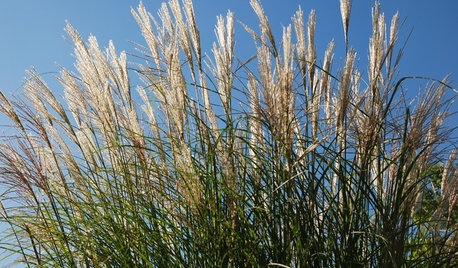
LIFEConsider Avoiding These Plants to Help Keep Your Garden Fire-Safe
Plants that accumulate dead material, are high in oil or have low moisture content in leaves put some homes at risk
Full Story
KITCHEN DESIGN10 Common Kitchen Layout Mistakes and How to Avoid Them
Pros offer solutions for a stylish and efficient cooking space
Full Story
DECORATING GUIDES8 Open-Plan Mistakes — and How to Avoid Them
There’s much to love about relaxed open-living layouts, but they can be tricky to decorate. Get tips for making one work
Full Story
FARM YOUR YARDHello, Honey: Beekeeping Anywhere for Fun, Food and Good Deeds
We need pollinators, and they increasingly need us too. Here, why and how to be a bee friend
Full Story
HOLIDAYS5 Ways to Avoid Holiday Season Burnout
You can enjoy the traditions and activities that matter to you and let go of the rest
Full Story
GARDENING GUIDESGot Allergies? 9 Plants to Avoid and What to Grow Instead
Having allergies doesn’t need to mean giving up your garden. Here are some options that will let you garden sneeze-free
Full Story
MOVING8 Tips to Avoid Snafus With the Movers
Make your move less stressful by taking these steps to protect yourself and your belongings
Full Story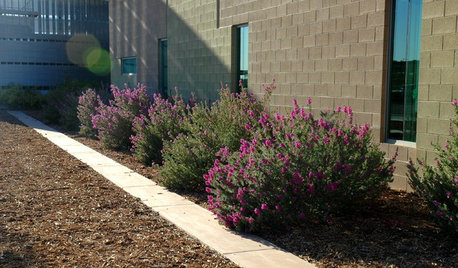
GARDENING GUIDESHow to Avoid Overcrowded, Overpruned Shrubs
Go for a more natural look that’s easier and less expensive to maintain by giving your plants the right amount of growing room
Full Story
KITCHEN DESIGNHow to Waste Less Food
Here are 9 relatively painless ways to throw away less food and stretch your grocery dollars
Full Story
PETS5 Finishes Pets and Kids Can’t Destroy — and 5 to Avoid
Save your sanity and your decorating budget by choosing materials and surfaces that can stand up to abuse
Full Story
Rosie