

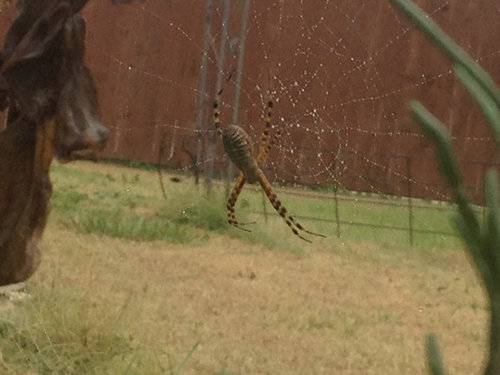
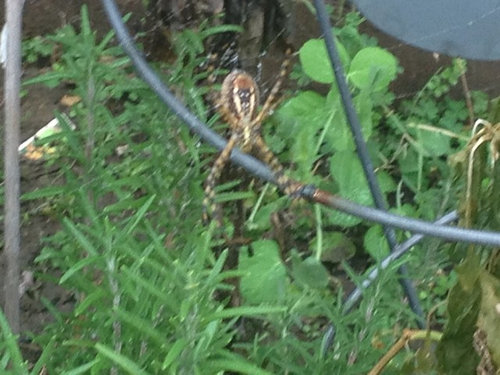
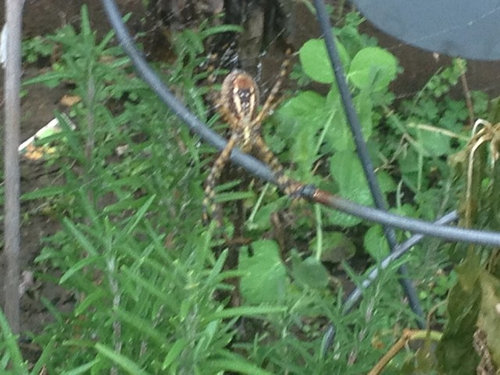
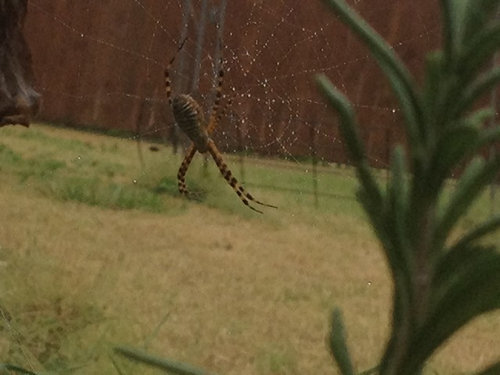
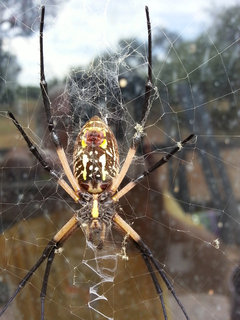
Spider in the Garden- Good or Poisonous?
9 years ago
last modified: 9 years ago
Featured Answer
Sort by:Oldest
Comments (15)
- 9 years ago
Related Discussions
How do I eradicate poison ivy in the garden patch?
Comments (30)Ortho Brush-B-Gone is a good product. Many have talked about how to avoid a rash. Here is good advice from the FDA - http://www.fda.gov/fdac/features/796_ivy.html: Because urushiol can penetrate the skin within minutes, there's no time to waste if you know you've been exposed. "The earlier you cleanse the skin, the greater the chance that you can remove the urushiol before it gets attached to the skin," says Hon-Sum Ko, M.D., an allergist and immunologist with FDA's Center for Drug Evaluation and Research. Cleansing may not stop the initial outbreak of the rash if more than 10 minutes has elapsed, but it can help prevent further spread. If you've been exposed to poison ivy, oak or sumac, if possible, stay outdoors until you complete the first two steps: * First, Epstein says, cleanse exposed skin with generous amounts of isopropyl (rubbing) alcohol. (Don't return to the woods or yard the same day. Alcohol removes your skin's protection along with the urushiol and any new contact will cause the urushiol to penetrate twice as fast.) * Second, wash skin with water. (Water temperature does not matter; if you're outside, it's likely only cold water will be available.) * Third, take a regular shower with soap and warm water. Do not use soap before this point because "soap will tend to pick up some of the urushiol from the surface of the skin and move it around," says Epstein. * Clothes, shoes, tools, and anything else that may have been in contact with the urushiol should be wiped off with alcohol and water. Be sure to wear gloves or otherwise cover your hands while doing this and then discard the hand covering....See MoreBad Spider or Good Spider?
Comments (10)Bees and Ants are related - so you may be sensitive to ant stings as well as bees and wasps. Though most people believe they get bitten by ants in reality ants grab a hold of you with their front end while they sting you with the back end. So it looks like you're only getting bitten. Their stingers are usually too small for the human eye to see. A lot of people are only allergic to honeybee stings and have very little sensitivity to wasp or even hornet stings. I've been bitten and stung by just about everything and honeybee venom is the worst for me. All of them hurt but honeybee stings take days to go away whereas most of the others only last an hour or so. Also know that plenty of people that start out sensitive to bee stings grow out of it - and likewise, people that never had much of a problem can develop a sensitivity at the drop of a hat. Allergic reactions don't always follow the rules....See MoreArgiope Aurantia (aka Yellow Garden Spider)
Comments (14)I have seen the baby spiders hatch out and fly off into the great big world. In spring, one a warm sunny day when their is a nice breeze blowing, if you are lucky, you can see them hatch out all at once. There are hundreds, if not thousands of t-tintsy spiders, hardly more than a speck of dust to the naked eye. They shoot out thousands of silken threads and ride off on them in the wind. Birds and frogs gobble them up, but some live and grow and the next year, in late summer you will see them again in your garden - giants by comparison. ogrose, I have quite literally, but certainly by accident, stuck my head into their webs while gardening many times. The spider just scoots over and waits for me to exit. Never had one become aggressive with me. My children used to love them, giving them names. They were greatly influenced by Charlotte's Web. I always taught them to be curious about Nature, but cautious. Look but don't touch. Study it, observe and learn from other creatures. Of course, they often DID touch. :)...See Morespiders good or bad?
Comments (6)I promptly bought the only insecticide listed as killing spiders and put it down. Forgive me for that, I was uninformed and encouraged by the not so savvy associate in an orange apron. There's nothing to forgive. The first time I saw grasshoppers hatch (by the hundreds of thousands) in the lawn I freaked out. I mean, lawn...grasshoppers everywhere...hundreds jumping away at every footstep...eats gras...equals no lawn, right? Well, no, as it was explained to me (by a master gardener, not a person in an orange apron). The very vast majority won't survive, provide food for the predators in the lawn, and can be amusing. Plus they don't eat that much. Plus poisoning them would take out a lot of things you don't want to kill. He was right. It was fun watching them grow up, and the numbers dropped precipitously once the spiders and whatnot got into gear (causing a spider population explosion). The few remaining adults didn't do any damage I could see, and their children are now hatching this year. So it's good to have spiders, but that doens't necessarily indicate healthy population of microherd? True. At least you know that you have insects, which are the indication of a healthy soil profile (micro-arthropods are part of the microherd, but often underappreciated). Also, a spider that eats has to...er, get rid of what it's eaten. That drops into the soil where the bacteria happily digest it and send it deeper still to more bacteria. The same happens to all the little carcasses when the spider cuts them loose. It all helps. Obviously those little insects are finding something to eat, so it would indicate that you probably have a good microherd. It's just not a complete assurance. I do have a friend who's arachnophobic beyond belief. When he was helping me put in my new garden, disturbing the soil drove all of the darker-colored spiders to climb the shadowed cream-colored siding. Thousands of them from so tiny you could barely see them to the size of a quarter. He had to go have a sit-down. I thought it was a great chance to see the species diversity in the gardens....See More- 9 years ago
 9 years ago
 9 years ago
- 9 years agolast modified: 9 years ago
- 9 years ago
- 9 years ago
 9 years ago
- 9 years agolast modified: 9 years agoShan G. thanked rhizo_1 (North AL) zone 7


Related Stories

GARDENING AND LANDSCAPINGBid Bad Garden Bugs Goodbye and Usher In the Good
Give ants their marching orders and send mosquitoes moseying, while creating a garden that draws pollinators and helpful eaters
Full Story
GARDENING FOR BUTTERFLIESGardening for the Bees, and Why It’s a Good Thing
When you discover how hard bees work for our food supply, you may never garden without them in mind again
Full Story
GARDENING GUIDESThe Surprising Ingredients Every Good Garden Should Have
See what to do — and not do — for lasting rewards in your landscape
Full Story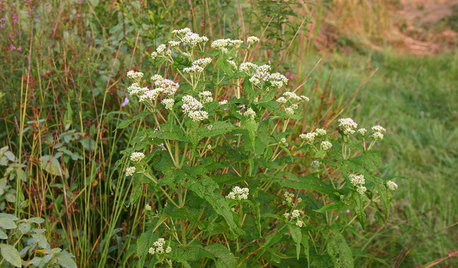
GARDENING GUIDESGreat Design Plant: Common Boneset Helps Good Bugs Thrive
Support bees, moths and butterflies with the nectar of this low-maintenance, versatile and tactile prairie-style plant
Full Story
HOUSEKEEPING10 Feel-Good Household Tasks for Fall
Scrub, organize and inspect now to sail through the holidays with a light heart and a clean conscience
Full Story
LANDSCAPE DESIGN10 Ways to Use Artificial Turf Where It Actually Looks Good
Fake grass is not for everyone, but it can be a problem-solver on balconies, on driveway strips and in urban courtyards
Full Story
GROUND COVERSNative Alternatives to English Ivy, Japanese Pachysandra and Periwinkle
These shade-loving ground covers are good for the environment and say something about where you are
Full Story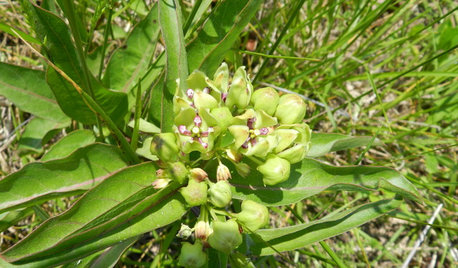
GARDENING GUIDESGreat Design Plant: Asclepias Viridis
Green antelopehorn is a milkweed that is short, drought-tolerant, not aggressive and a monarch favorite
Full Story
COMMUNITYSimple Acts: The Unsung Power of a Good Neighbor
There are many ways to be a good neighbor, and they're often easier than you think
Full Story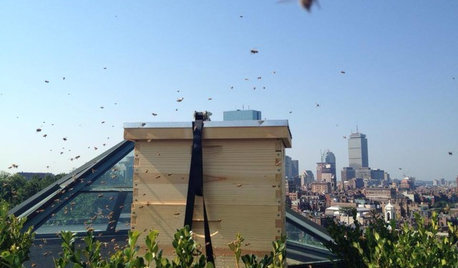
FARM YOUR YARDHello, Honey: Beekeeping Anywhere for Fun, Food and Good Deeds
We need pollinators, and they increasingly need us too. Here, why and how to be a bee friend
Full StorySponsored
User