

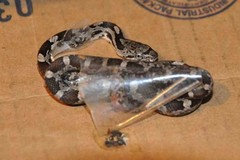
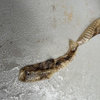
Help, Snake!
9 years ago
Featured Answer
Sort by:Oldest
Comments (6)
Related Discussions
Help with Snake Plant growing in spring?
Comments (3)No need to do anything - just let it grow .... or separate it from the main plant and start another. I wouldn't put the plant in direct sun, but it WILL show its appreciation if you put it outdoors after night temps are reliably above 55*. If you want it to have the best opportunity to realize its potential, knock all the soil off the root mass & repot into a 6" pot and a really chunky soil, and fertilize it regularly. I'll link you to a thread you might find to be illuminating .... and don't be bashful about asking questions. What you grow in has a very significant impact on what kind of return you can expect for your efforts. A healthy root system is a prerequisite to a healthy plant. Learn how to keep the roots happy and the rest is easy. Al Here is a link that might be useful: Click me to see what he's talking about .......See MoreHELP!!! Snake ????
Comments (6)First - please note the snake tried to get away from you and not harm you. Your dog tried to get it though so it swam away to escape being harmed by you and your dog. All wild animals bite if you mess with them, so leave it be. I could study my snake book to find out what kind it is by your description but I'm thinking what's the point if you are probably going to kill it because it IS a snake (if that is your plan). Maybe that is not fair because you didn't say your plan, but your post is the typical reaction of a person that is afraid of snakes, mainly because you are ignorant about snakes and fear what you don't know. You build a pond and frogs, turtles, salmanders, herons, and oh yes, snakes will come. It's part of the natural wildlife picture. Be thankful you have a snake left to see in the wild. They are slowly being wiped out. Shoo it away, but please don't harm it. Thank you. CT...See MoreHelp - Snake Plant dying - overwatered???
Comments (6)I don't know where it was at. Dark corner or drafty cold spot? Bright sun is always best but must be done slowly over weeks if it is not used to it. I have good results in bright light. Soil looks too peaty but I have seen them grow good in almost any soil except the heavy variegated ones. There is a very bad Sans disease that killed many sans. Don't really know much about this. Hopefully Russ responds, He was the one who informed me about it. If this is the case, keep away from other Sans for now. I think it starts as a soft wet spot on the leaf and continues thru to the rest of plant and it just turns soft and dies. I had this happen to a Silver Futura I had. Lucky it didn't spread to my other sans. It was purchased at a Wal-Mart but I have had very good stock from Wal-Mart before. It starts at the main nursery that sells to all of the big box stores. Leaves start to wilt due to poor roots. Wetting the roots only adds to the rot. Misting the leaves help to keep them from wilting but only a very small amount. Sans require only a small amount of water and too much leads to rot. During the hot summer and a healthy plant, they can live in water. Tiffiny grows hers in the summer outside and in regular garden soil with all the rain summer gives them and they grow exceeding well....See MoreHelp with snake plant! (Mushy leaf!)
Comments (16)Using a "tell": Over-watering saps vitality and is one of the most common plant assassins, so learning to avoid it is worth the small effort. Plants make and store their own energy source – photosynthate - (sugar/glucose). Functioning roots need energy to drive their metabolic processes, and in order to get it, they use oxygen to burn (oxidize) their food. From this, we can see that terrestrial plants need air (oxygen) in the soil to drive root function. Many off-the-shelf soils hold too much water and not enough air to support good root health, which is a prerequisite to a healthy plant. Watering in small sips leads to a build-up of dissolved solids (salts) in the soil, which limits a plant's ability to absorb water – so watering in sips simply moves us to the other horn of a dilemma. It creates another problem that requires resolution. Better, would be to simply adopt a soil that drains well enough to allow watering to beyond the saturation point, so we're flushing the soil of accumulating dissolved solids whenever we water; this, w/o the plant being forced to pay a tax in the form of reduced vitality, due to prolong periods of soil saturation. Sometimes, though, that's not a course we can immediately steer, which makes controlling how often we water a very important factor. In many cases, we can judge whether or not a planting needs watering by hefting the pot. This is especially true if the pot is made from light material, like plastic, but doesn't work (as) well when the pot is made from heavier material, like clay, or when the size/weight of the pot precludes grabbing it with one hand to judge its weight and gauge the need for water. Fingers stuck an inch or two into the soil work ok for shallow pots, but not for deep pots. Deep pots might have 3 or more inches of soil that feels totally dry, while the lower several inches of the soil is 100% saturated. Obviously, the lack of oxygen in the root zone situation can wreak havoc with root health and cause the loss of a very notable measure of your plant's potential. Inexpensive watering meters don't even measure moisture levels, they measure electrical conductivity. Clean the tip and insert it into a cup of distilled water and witness the fact it reads 'DRY'. One of the most reliable methods of checking a planting's need for water is using a 'tell'. You can use a bamboo skewer in a pinch, but a wooden dowel rod of about 5/16” (75-85mm) would work better. They usually come 48” (120cm) long and can usually be cut in half and serve as a pair. Sharpen all 4 ends in a pencil sharpener and slightly blunt the tip so it's about the diameter of the head on a straight pin. Push the wooden tell deep into the soil. Don't worry, it won't harm the root system. If the plant is quite root-bound, you might need to try several places until you find one where you can push it all the way to the pot's bottom. Leave it a few seconds, then withdraw it and inspect the tip for moisture. For most plantings, withhold water until the tell comes out dry or nearly so. If you see signs of wilting, adjust the interval between waterings so drought stress isn't a recurring issue. Al...See More 9 years agolast modified: 9 years ago
- 9 years ago
- 9 years ago

Related Stories

DENS AND LIBRARIESRoom of the Day: Princess the Snake Reigns in a Luxe Library
Sure, there are books. But in this library the custom snake habitat may be most worth checking out
Full Story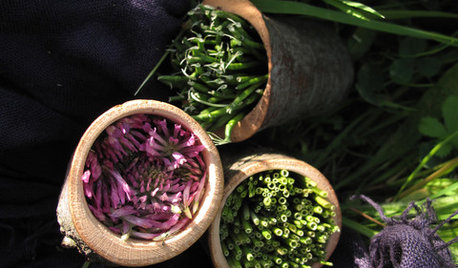
EARTH DAYHow to Help Your Town’s Beneficial Birds and Bugs
Make a habitat using local materials to provide a home to the creatures that help our gardens
Full Story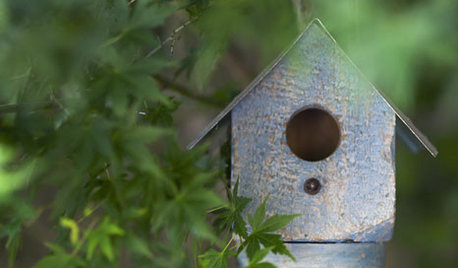
GARDENING AND LANDSCAPINGBe a Citizen Scientist to Help Wildlife, Learn and Have Fun Too
Track butterflies, study birds, capture stars ... when you aid monitoring efforts, you’re lending Mother Nature a hand
Full Story
MOVINGRelocating Help: 8 Tips for a Happier Long-Distance Move
Trash bags, houseplants and a good cry all have their role when it comes to this major life change
Full Story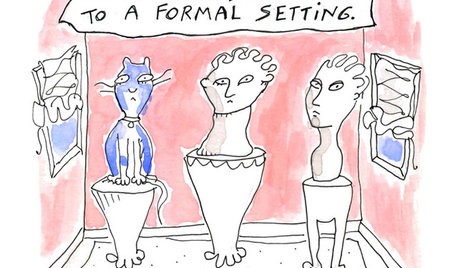
MOST POPULAR7 Ways Cats Help You Decorate
Furry felines add to our decor in so many ways. These just scratch the surface
Full Story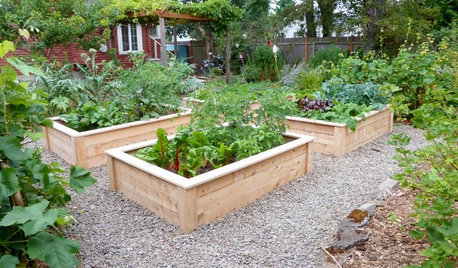
GARDENING GUIDES12 Tips to Help You Start an Edible Garden
Get on your way to growing your own vegetables with a raised bed or a few containers on the patio
Full Story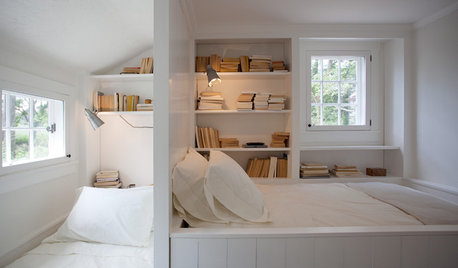
ENTERTAININGCozy Nooks Help Houseguests Sleep Tight
You don't need a full extra bedroom to host overnight guests. Just make use of your home's hidden nooks
Full Story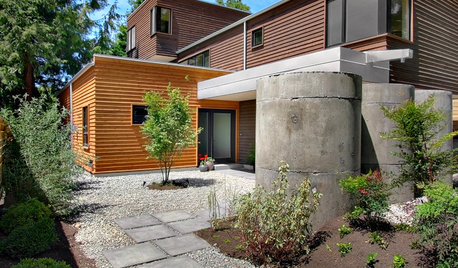
REMODELING GUIDESHow Small Windows Help Modern Homes Stand Out
Amid expansive panes of glass and unbroken light, smaller windows can provide relief and focus for modern homes inside and out
Full Story
UPHOLSTERYThe Perks and Perils of Reupholstering Old Furniture
Secondhand upholstered pieces can add character to a room, but beware of bugs, snakes and hidden costs
Full Story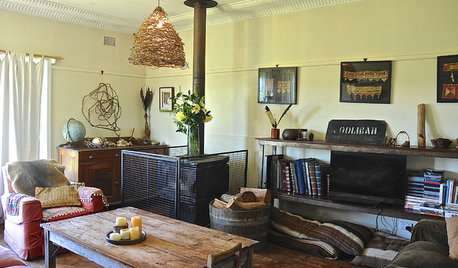
HOUZZ TOURSMy Houzz: Cozy Country Meets Bohemian Artistic in Australia
Healthy helpings of salvage and rustic art give a pastureland home free-spirited style
Full Story
More Discussions
User