

Vitamins & Supplements, seasonal consumption
10 years ago
last modified: 10 years ago
Featured Answer
Sort by:Oldest
Comments (13)
Related Discussions
How much of your total vegetable consumption are u able to grow?
Comments (31)I agree with many of the statements made here. We also eat from the garden and when in season. Lucky for us, the seasons here are long! We simply plan our meals around what the garden produces! I think this really simplifies life. Lettuces grace our table from December to June, tomatoes from July to December, cole crops are good from November until June. In the winter we eat peas and favas, in the spring runner beans, in the summer common beans, in the fall sometimes cow peas, sometimes limas. Carrots produce every month (but they are less tasty in the summer), beets most of the year, chard all the time. We grow all the herbs we use, but only have basil in the summer and cilantro in the winter. Fruit is great, and even better now that we started growing strawberries. Our fruit production goes like this: December to May too much citrus! strawberries are producing most of the time, peaches in mid summer if the squirrels let us have some, figs in August and September, then some of the neighbor's grapes. We do buy some tropical fruit from time to time, bananas, mangos, papaya, we can't grow those too well. I also eat a lot of my preserved (dried) figs troughout the year. So I think we produce 90% of the fruit and veggies we eat. We produce some potatoes, but need to buy some for part of the year. Same with onions. Garlic was a bust, must do something about it. We grew corn a couple of years, no more. We are using the space to grow artichokes, better return on the investment! So we buy corn a couple of times a year. As far as other grains, I have tried growing amaranth for grain. No fun to harvest, but I like it as greens in the summer!...See MoreSeaweed- lots of minerals, vitamins etc?
Comments (29)"I've harvested bags of seaweed from the beach on the Florida east coast and it broke down quite nicely in my compost bin." Im having a hard time invisioning harvesting seaweed. Maybe the long strains of kelp, and the density of kelp forest, you can easily grab ahold of it,or maybe a rake harvesting tool of some sort.. But, over here swiming in the lake, we have very fine seaweed, it would seem difficult to harvest. On another note of kelp harvesting, ill leave you with a quote from Charles Darwin: "I can only compare these great aquatic forests(kelp forest)...with the terrestrial ones in the intertropical regions. Yet if in any country a forest was destroyed, I do not believe so nearly so many species of animals would perish as would here, from the destruction of kelp. Amdist the leaves of this plant numerous species of fish live, which nowhere else could find food or shelter; with their destruction the many cormorants and other fishing birds, the otters, seals and porpoise, would soon perish also; and lastly, the Fuegian[s]...would...decrease in numbers and perhaps cease to exist." ��" Charles Darwin, 1 June 1834, Tierra del Fuego, Chile Also on the note of kelp detoxifying pollutants, radiation, etc. maybe it's better if we leave the kelp do it's thing in the ocean, maybe we are doing more harm than good harvesting it, i dont know....See MoreIron Supplement
Comments (5)I should think an iron deficiency quite rare unless you are growing in a artificial medium i.e. not soil. As ronalawn82 implied it is more likely an iron availability problem rather than an iron deficiency problem. One way this is corrected is with a "chelate" as suggested. In any event I cannot imagine how iron supplements for animals like acquarium food or human vitamines would work. These might indeed work fine. I just can't visualise the chemical mechanisms BTW, what are your symptoms. Are you seeing chlorosis? If so this could be caused by poor drainage, damaged roots, magnesium or zinc deficiencies or other things....See MoreBreast Cancer and soy consumption
Comments (15)my husband, doug, had breast cancer in 2001. it came as quite a shock to our family. he was having a bloody discharge from his left nipple for 3 months before he approached me with tears in his eyes. upon going to several surgeons for opinions, we were met with much fear based haste to make decisions. one of the options presented to my husband was to remove his testicles. that wasn't an option on our priority list, and in, fact, even a biopsy was refused by my husband as there is a theory that once the cancer clusters are punctured, wayward cancer cells can travel throughout the body. we did a lot of reading and computer research to find answers. my father bought doug several shipments of appropriate supplements and some of the powdered herbs, graviola and cat's claw. we got appointments with a D.O. , a chiropractor, an herbalist, and a counselor. doug started exercizing, eating simply and nutritiously, and meditating. one of the best resource books we read was susun weed's book, BREAST CANCER? BREAST HEALTH. susun's book helped him relax, become introspective, and regain health. she offers an informative description of an anti-cancer lifestyle, what it is to be diagnosed with cancer, explanations of diagnostic procedures, in home treatments as well as treatments offered by the medical establishment. She outlined 6 steps of healing which empowers the person with cancer to take the course of healing into their own hands. here is a link to her site if anyone would like to visit: http://breasthealthcancerprevention.com/ during this time, we visited a surgeon who specialized in women's health in the southern part of our state. she monitored the tumour's size and growth by ultrasound, something that had been discouraged in our own area. doug gave himself one year to treat the small in situ tumour on his own. at the end of the year, the cancer had not grown, but doug chose to have the tumour taken from his breast. he has been cancer free ever since...9 years. alot of his well-being during that time with cancer he attributes to the philosphy shared in susun weed's book, his relaxed positive outlook, and his ability to not buy into the fear factor. ....See More 10 years ago
- 10 years agolast modified: 10 years ago
 10 years ago
 10 years ago
 10 years ago
- 10 years ago
- 10 years ago
- 10 years agolast modified: 10 years ago
- 10 years ago

Related Stories
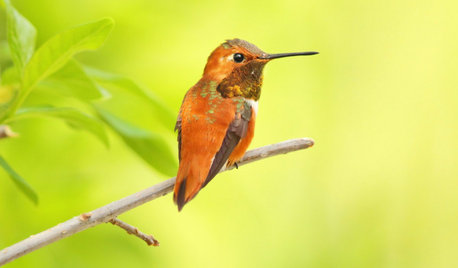
GARDENING GUIDESBackyard Birds: Invite Entertaining Hummingbirds Into Your Garden
Hummingbirds — unique to the Americas — zip through open landscapes seasonally or year-round. Here’s how to attract them
Full Story
REMODELING GUIDESBoost Your Energy With Natural Light
Abundant natural light saves electrical energy and can lower energy bills, but the best benefit may be to your own energy and spirit
Full Story
FARMHOUSESWorld of Design: See How 9 Families Live and Farm on Their Land
Join us as we visit the homes and farms of passionate food producers and hear about rural life around the globe
Full Story
GARDENING GUIDESHouzz Call: Show Us Your Backyard Rain Barrel
As we head into the cooler months, our thoughts turn to rain — and rainwater collection
Full Story
FRONT YARD IDEAS10 Ideas for a Front-Yard Edible Garden Your Neighbors Will Love
Choosing attractive, well-mannered plants and sharing the bounty will go a long way toward keeping the peace
Full Story
LIVING ROOMSHow to Convert Your Wood-Burning Fireplace
Learn about inserts and other options for switching your fireplace from wood to gas or electric
Full Story
BATHROOM DESIGNSpotted: Refrigerators in the Bathroom
You read that right. Before you protest, here are seven good reasons why people are chilling in the bath
Full Story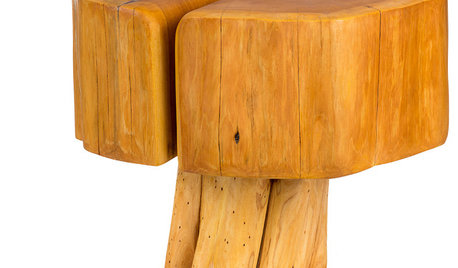
PRODUCT PICKSGuest Picks: Beautiful Things You Can Feel Good About Buying
Upcycled, ecofriendly or just made responsibly, these home accessories and furniture pieces will keep your conscience clear
Full Story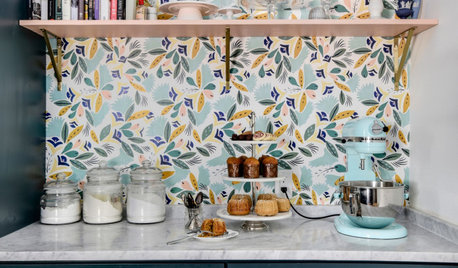
KITCHEN DESIGN12 Items Worth a Spot on Your Kitchen Counter
Keep these useful tools and accessories out in the open to maintain high function without spoiling the view
Full Story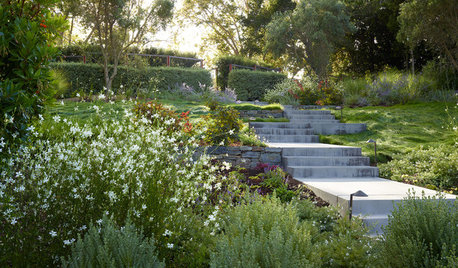
EARTH DAY5 Ideas for a More Earth-Friendly Garden
Consider increasing the size of garden beds, filtering rainwater and using plants to reduce energy use
Full Story
Georgysmom