

You know when you have a good neighbour when.....
10 years ago
Featured Answer
Sort by:Oldest
Comments (13)
 10 years ago
 10 years ago
Related Discussions
You know you have cabin fever when...
Comments (17)I haven't been able to get my leaves mulched and on the garden either LKZZ, too cold and too wet. Thursday I found some small, almost mummified, red potatoes sprouting in the cabinet that i forgot about. I went out to the shed and potted them up in a 2 gallon container, knowing that they won't make it. But I need something growing! I'm a little excited though, they have came up already and are starting to put on leaves! If I can keep them alive for about 3 months I'll try transplanting them. I'm ready for spring!...See MoreYou know you have have the garden bug when you....
Comments (11)...when you solicit other people's organic material to mulch the "new" areas you've reclaimed from lawn. A couple months ago, I saw a guy trimming all of the hedges at the bank across the street. Next thing you know, he's backed his pickup truck into my yard and he's helping me haul this stuff here'n'there. That was great stuff! Fresh, tender growth from the shrubs mixed with the leaves he had raked off of the mulch. Then there's the trunk-loads of trimmings I've brought here many times from my Mom's house (she refuses to compost,) bags of sawdust from honey's work, bags of peanut shells from a friend's chicken farm, and bags of pine needles from honey's Mom's house. ...all happily composting in a giant pile near the back fence, waiting to be dumped on a new lasagna bed next weekend. ...when you spend an hour putting potted plants in the yard to get rained on, then an hour getting wet & icky putting them back on the porch. ...when there's a rainy morning in the summer and you go to work outside, since that's the only time it's not too hot. ...when you've timed a move so it will be a good time to dig up your plants and bring them to the new place too. ...when you hear yourself thinking, "If this grass was mowed, the beds would show up better." ...when you realize you've been absent-mindedly deadheading someone's plants while you're at their house visiting. ...when you end up with so many pots of cuttings that you don't even have anywhere to plant them....See MoreYou Know you have too many seeds when.....
Comments (9)I keep all my seeds in two photo boxes that I bought for 2.99 at Homegoods, one for annuals and one for perennials. I put a through z on 4x6 baggies and stuff the mini baggies of the seeds into the 4x6 envies. They are lined up alphabetical. When I get a package in as I look through it, I sort them into the proper larger envy. I have to say that I can always find what I'm looking for this way. It took a bit to set it up but I have saved time in the long run when giving seeds away. I just have to pull the letter that the seed starts with and viola! Is there really a time that you have too many!...See Moreyou know you have a problem when...
Comments (8)Ha! I think many of us have been eyeing the Randia ruziana...especially after Logee's description of how intense the scent is. Thank god it blooms during the winter or I'd have already ordered one (I've no greenhouse and limited window space). The little space I have indoors will have to house 3 brunfelsias, 2 brassavolas, 1 tiny Aglaia odorata and the Ric Rac cactus when it finally comes! :) -r...See More 10 years agolast modified: 10 years ago
 10 years ago
 10 years ago
- 10 years ago
- 10 years agolast modified: 10 years ago
- 10 years ago
- 10 years ago
 10 years ago
- 10 years agolast modified: 10 years ago
- 10 years ago

Related Stories

HOUZZ TOURSHouzz Tour: When MoMA is Your Next Door Neighbor
Modern Icons and Family Furniture Inspire Eclectic Manhattan Apartment Design
Full Story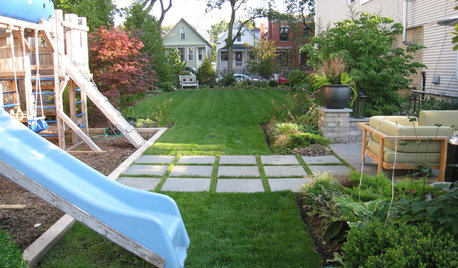
LIFE6 Tips for Teaching Your Kids to Be Good Neighbors
Everyone wins when your children learn to respect boundaries, get help when they need it and show others they care
Full Story
LANDSCAPE DESIGNGood Fences, Good Neighbors — and Good Views
See-through vertical fencing connects a yard with its surroundings while keeping children and pets safely inside
Full Story
COMMUNITYSimple Acts: The Unsung Power of a Good Neighbor
There are many ways to be a good neighbor, and they're often easier than you think
Full Story
PETSHow to Help Your Dog Be a Good Neighbor
Good fences certainly help, but be sure to introduce your pup to the neighbors and check in from time to time
Full Story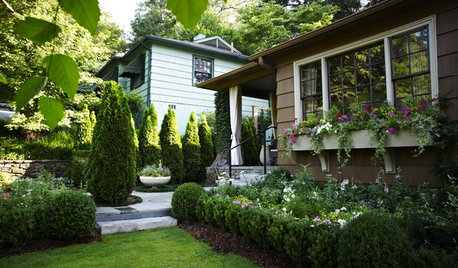
GARDENING GUIDES9 Low-Growing Hedges That Make Good Neighbors
Define garden areas or borders without blocking the view, with these evergreen shrubs that take kindly to trimming
Full Story
LIFEPortrait of a Terribly Good Neighbor
Sometimes the best kind of neighbor isn't the kind you'd expect
Full Story
LIFEHow to Get Along With the Neighbors — and Live Happier at Home
Everyone wins when neighbors treat one another with kindness, consideration and respect
Full Story
GARDENING GUIDESA Mom, a Garden and a Gift for the Neighbors
Gardening can be therapeutic in unexpected ways. See how one gardener found peace and purpose in a patch of Florida soil
Full Story
REMODELING GUIDESGood Houses Are Good Neighbors Too
The best houses engage the world and fit into their surroundings, even while celebrating their own distinct style
Full Story

lucillle