

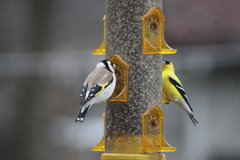
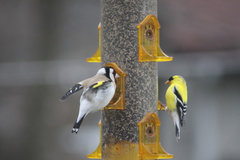
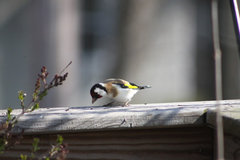
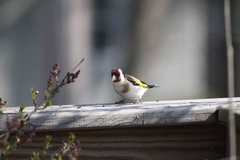
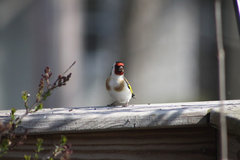
European goldfinch
10 years ago
Featured Answer
Sort by:Oldest
Comments (7)
- 10 years ago
- 10 years ago
Related Discussions
Off Topic.....but how do you attract Goldfinches?
Comments (30)In my garden they also eat goldsturm black-eyed susans, plains coreopsis (mahogany red and yellow) which seems to be the absolute favorite, and salvia - farinacea and lady in red. It is really fun to watch them on the black-eyed susans if you are close enough to tell the birds from the flowers. They perch high on the stem and rip the petals out of the flower head to get at the seed. I know I have had a lot of finches I missed seeing when I have a patch of bare black eyes with no yellow petals. We had squirrels and then mice under the feeder so the seed-producing flowers works better here....See MoreProject FeederWatch #2 2009/2010
Comments (50)I've been busy with the GBBC and seeing birds I've never seen before (not in my yard). I visited the local marsh which is in a nature preserve and I saw that at least in the eyes of the water birds spring is coming. A Mallard drake was busy preening himself when a female Mallard swam by him at very close quarters. I swear she winked at him. I also saw a pair of Hooded Mergansers (new to me) that looked as if they were dressed up for a Mardi Gras parade. The photo wasn't exposed correctly as I was frantically trying to catch them before they swam out of sight. I hope these photos load OK - I'm having computer issues with dial-up internet access. My accelerator which used to increase the speed from pitiful to mediocre is defunct, so I'm back to pitiful and I can't really preview photos. I'm holding out for Verizon high speed which is supposed to be available soon, but they don't seem able to find my street. I just noticed that the copper birdbath is completely thawed out! A very good sign. Claire...See MoreOur Halloween Table & More Finds
Comments (11)I can see Emily is really enjoying herself this Halloween. She did such a cute job on that centerpiece. Very original! I can see her being a member of our group here. lol I love all the birds you purchased. They're beautifully detailed. What a great find with that pinecone dish. Also, all your purchases at GW..I love the shape of those blue footed glasses.. Great price too. That hurts with your white serving dish. What luck to find another. They're very pretty. I would definitely epoxy the broken one and use it for something that's not liquid. I can't resist pretty napkins and you bought some pretty ones. Thanks for sharing everything with us Lynn...I enjoyed 'shopping with you today too' !! jane...See MoreStarling hordes
Comments (13)Thankfully I've seldom had to deal with grackles and starlings, but when they have appeared, chasing them off with a Viking yell and a broom eventually seemed to drive them away permanently, as well as entertaining my neighbors. Of course it probably helped that I never ground feed, had no platform or other feeders they could access, and the vast majority of spilled seed was Nyjer, which they can't eat. So - slim pickin's, combined with crazy broom-wielding lady = starling-grackle-elimination-success! Taking it a step further, when I eliminated all mixes and went to feeding one kind of seed per feeder (sunflower seeds in one, nyjer in the other), many other pests stopped coming by. Apparently millet is much-beloved of several pesky species. Finally, switching to clingers-only feeders eliminated the mob of English house sparrows that had taken over my yard last year, driving off ALL the other birds, including the hummers. This year I may see one or two HOSPs going after spilled seed but they never stay long. The hummers have never returned, though....See More- 10 years ago
- 10 years ago


Related Stories
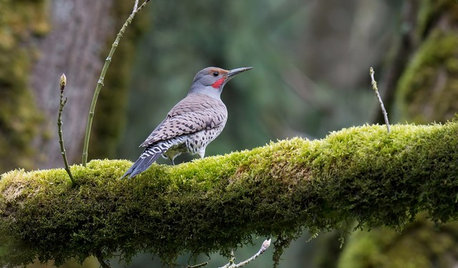
GARDENING GUIDESBackyard Birds: Healthy Home Habitats for Northern Flickers
These colorful woodpeckers found across the U.S. and Canada love berries, seeds and ants and often nest in deep burrows in trees
Full Story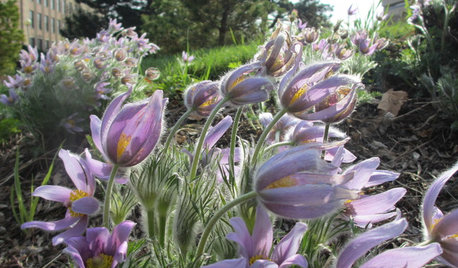
GARDENING GUIDES6 Plants That Beat Butterfly Bush for the Wildlife Draw
It's invasive, a nonnative and a poor insect magnet. Check out these better alternatives to butterfly bush in the garden
Full Story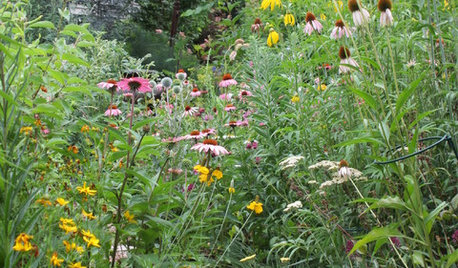
GARDENING FOR BUTTERFLIES3 Ways Native Plants Make Gardening So Much Better
You probably know about the lower maintenance. But native plants' other benefits go far beyond a little less watering and weeding
Full Story
PRODUCT PICKSGuest Picks: Hello, Birdie
Go ahead and wing it. These bird-loving accessories, fabrics and art will give your nest a welcome whiff of spring
Full Story
HOUSEKEEPINGDishwasher vs. Hand-Washing Debate Finally Solved — Sort Of
Readers in 8 countries weigh in on whether an appliance saves time, water and sanity or if washing by hand is the only saving grace
Full StorySponsored

Innovative & Creative Custom Closet Designer Servicing Franklin County
More Discussions
Pat Z5or6 SEMich