

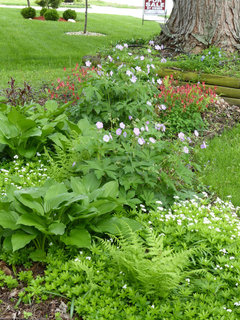
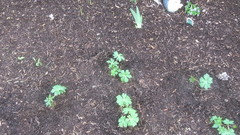
Saw Geranium maculatum (Wild Geranium) on sale
10 years ago
last modified: 10 years ago
Featured Answer
Sort by:Oldest
Comments (26)
 10 years ago
 10 years ago
Related Discussions
Hardy geraniums--revisited
Comments (17)hardy geranium are very easy from seed - this was a revelation for me a couple of years ago - although given pratense's rampant seeding about, I dunno how I hadn't realised this before. Anyway, pros and cons of sowing your own cons - as these types are not sterile (obvs), it is unlikely to get a super-long flowering variety of the likes of Rozanne. Nor do many named varieties come true from seed (even if they set them). Pros - obviously, an easy and cheap way to fill many a border. Often quite unusual varieties, including, some of the less hardy types such as maderense, palmatum, and my favourite this year, Rambling Robin, hybrids between robustum/incanum (Silver Cloak is also one) with lovely filigree glaucous foliage. Many unusual varieties such as G.platyanthemum, G eriostemon and the easy G.wallichianum, including a pink Rozanne type, Syabru - try Plantworld or Chiltern seeds(both of who ship to the US). Very easy - nice big seeds, easily sown in modules, very reliable requiring no special heat/light situations - very amenable to winter-sowing....See Moreplant ID not wild geranium!
Comments (11)You can get G. maculatum from many different places. If you end with not what you were expecting again, choose a known and quality vendor. Prairie Moon is a wonderful choice. I included the Geranium maculatum link below - they even show what the root looks like. FataMorgana Here is a link that might be useful: Prairie Moon Nursery...See MoreIs this Geranium maculatum or an invasive?
Comments (10)So, no sun at all, even in the morning or late afternoon? It's a tricky situation, especially with dry soil as well. You may find that some things that would survive there after establishment are going to need watering for the first couple of years. I'd also be careful about that heavy mulch -- it's usually better to keep it pulled back from plant stems, or they can be more susceptible to rot and insect damage. There are some wood asters that do well in dry shade, although they pretty much all have a rather floppy form when in flower. I've seen some nice combinations of white wood aster (Eurybia divaricata, sometimes labeled Aster divaricatus) and ferns. The ferns provide structure and the wood aster rambles around in between them. Most ferns like more moisture, though, and are slow to fill in. I'm trying to get Christmas fern going in my dry shade areas, but it's too soon to tell whether it will survive in the long term. Another suggestion might be Geum fragarioides (used to be Waldsteinia), barren strawberry. It's a groundcover with tiny yellow flowers, looks really nice spread out around taller plants. Mine has been slow to establish, but I have high hopes for it....See MoreGeranium maculatum album--a mother at last
Comments (6)They are in bloom and white--that's how I spotted them growing in a sea of silver-edge pachysandra. I'm going to leave them there rather than risk losing them thru transplanting. I would have guessed bought in person. I did a lot of mail order in the late 70s thru the mid-80s but then perennials became widely available locally--more than they are now as so many small nurseries like Newbury and Blanchette have closed. I'm surprised at myself to forget something like this. I saw Arrowhead Alpines online when searching yesterday but I'm almost sure that's not it....See More- 10 years ago
- 10 years ago
- 10 years agolast modified: 10 years ago
- 10 years ago
- 10 years agolast modified: 10 years ago
- 10 years ago
- 10 years ago
 10 years ago
- 10 years agolast modified: 10 years ago
- 10 years ago
- 10 years ago
- 10 years ago
 10 years ago
 10 years ago
- 10 years ago
- 10 years agolast modified: 10 years ago
 10 years ago
- 10 years ago
 10 years ago
Related Stories

GARDENING GUIDESGreat Design Plant: Wild Geranium Puts on a Color Show
Oodles of bright blossoms and an easygoing nature make this woodland plant a welcome addition to a shady garden
Full Story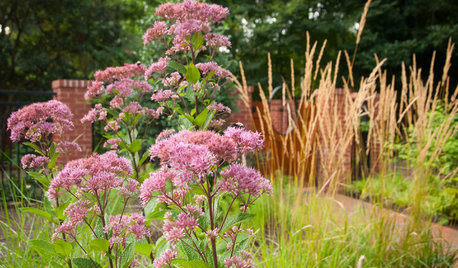
GARDENING GUIDESGreat Design Plant: Eutrochium Maculatum
Sculptural, slightly tropical looking and a boon to wildlife, Spotted Joe Pye Weed is a gotta-have plant in many parts of the U.S.
Full Story
GARDENING GUIDESSmall Carpenter Bees Are Looking for a Home in Your Plant Stems
Provide flowers and nesting sites in your garden for this beautiful, tiny, metallic blue wild bee — your plants will thank you
Full Story
GROUND COVERSAsarum Canadense Adds Masses of Green to Woodland Gardens
Plant Canadian wild ginger in the eastern U.S. for a shade-loving native ground cover with spring flowers
Full Story
GARDENING GUIDESGreat Design Plant: Phlox Divaricata
Plant wild blue phlox in central and eastern U.S. woodland gardens for its bright blue flowers in early spring
Full Story
GARDENING GUIDESGreat Design Plant: Actaea Racemosa
Elegant flowers top black cohosh in summer woodland gardens
Full Story
GARDENING GUIDESInvite Mining Bees to Your Garden by Planting Their Favorite Plants
Look for mining bees (Andrena) pollinating woodland wildflowers in U.S. gardens this spring
Full Story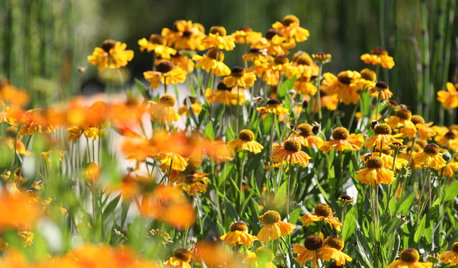
GARDENING GUIDESWhat’s in a Name? See 6 Wildflowers That Aren’t ‘Weeds’ at All
Dispel the stereotypes of weeds and try these wildlife-supporting native wildflowers in your garden
Full Story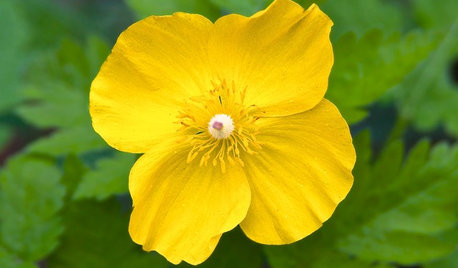
GARDENING GUIDESGreat Design Plant: Stylophorum Diphyllum
Appalachian native celandine poppy’s flowers and foliage combine to brighten a woodland garden well into summer
Full Story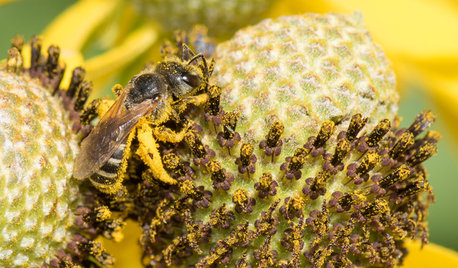
GARDENING GUIDESWelcome Sweat Bees to Your Garden Throughout the Growing Season
Look before you swat! These friendly sweat bees will feed on your sweat on a hot summer day, but their main buffet is flowers
Full StorySponsored
User