

Wildlife in the backyard.....Urban Version!
11 years ago
Featured Answer
Sort by:Oldest
Comments (11)
Related Discussions
My wildlife habitat in the sky!
Comments (54)Sorry didn't chance to get back here. I go through so many forums on GW that I have to make the "rounds". LOL! John - we have alot of crapes in the landscape here in the Philly/Delaware County area. These are no longer die-backs in city locations (meaning they don't die back to the roots and they sprout their new leaves from the canopy) and are seen more and more in the landscape at 10 - 15ft tall and getting bigger every year. People are even planting them in their front yards away from the house. There are all sorts here - particularly ones like the popular and hardy "Natchez", "Sioux", "Tonto", etc. I think what has helped is that the lowest temps here haven't gotten below 0° F since 1994. I have a "Victor" crape which is a dwarf and it literally hasn't grown to more than 3ft in its 14" container. It's starting to bloom now itself. The figs were very slow to sprout due to the very cool spring but I am looking at expanding the selection. I bought my sister and brother-in-law a Celeste last summer for in-ground, had them plant it at the SW corner of their house, it made it through the winter with protection and is growing pretty well in the heat. Haven't been by there to see what's happening with it but as long as it is establishing itself (it was a 4ft baby), that's fine with me. As for amount of sun - Since I am up about 150ft or so in the sky with nothing to block the sun like trees or buildings (other than the hills about 5 miles to the NE of me, although I'm on a hill myself about 400ft above sea level), in summer, I get sun from sunrise at ~5:50am until about 11 am (or later for those plants that have branches hanging over the rail that can catch a couple more hours of "rays" before the sun goes up over and behind the building). I have seen sun on an extended branch of my tropical hibiscus until almost 1pm. And since I am on the end on the western side of the building, I can get about 3 - 4 hours more of afternoon sun over on the western corner of the balcony as it sets (from about 4pm until sunset ~8:30pm or so). Thus I try to put some of the real sun lovers over on the western end of the balcony so they can get sun in the front and later, sun from the side and rear during summer. Only thing is that it is windy over on that side. Good luck with the camera! I hope to eventually get a pic of my opuntia humifusa in bloom next year. It's growing quite a few pads now. I've overwintered it outside the past 2 winters in a clay pot (my only plant in a clay pot) and it shrivels down during winter and plumps back up each spring. I think that it needs more sun earlier in the season to get the bloom triggered though... something I have to think about with respect to where to place it. Cady - I've had a number of evergreens over the years - mostly different pierises as it's one of my favorites. I actually have a minature one out there right now that is new and it's sortof lost in the shade of other stuff. My honeysuckles are semi-evergreen but what usually gets things out there are the dessicating winds in late winter. Even with some of the protection schemes, it has been difficult finding a good spot to put evergreens where they're not in an eventual wind tunnel. But I'll keep experimenting! I have a heuchera this year and those are supposed to be evergreen so I'll see how that goes. You mention willows and I have a pussy willow (Salix discolor) out there that has been forming its catkins for next year....See MoreIs Anything More Frugal Than Not Mowing?
Comments (14)Despite the original posters overly extensive post, with certain questionable content, the central point is still quite vaild. We as a nation spend more money on grass than on any other crop. That by itself should be reason enough. Read up on the history of lawns and you'll find that they were orginally created as a means of demonstrating wealth (aka, I have this big area and I can afford to do nothing with it except grow grass I can't eat) Regarding the comments of junegem13 and zachslc, you might want to read up on the legal history of this movement. As it turns out, most weed laws (ones based on hight, not on noxious weeds) are unconstitutional. Nonetheless, if you are in a city or subdivision and decide to do a wildflower meadow where there is not an reasonable ordinance, then you should notify your neighbors and the city about why you are doing and the legal preceedants. The EPA has all this information. Regarding property values, that was the original complaint neighbors made against one landowner when she converted her lawn into meadow. When they were unable to demonstrate an actual decrease in property values, the city ordinance was ruled unconstitutional. Afterwards, the neighbors decided if they couldn't beat her that they'd join her and replace their own yards with meadows. Property values in that one neighborhood are now some of the highest in the city (Specific names and places, are available if you want them). Time and time again, lawn alternatives done correctly have shown to raise values, not lower them. In Charlottesville, VA local government is working on an ammendment to exclude native meadows from our weed ordinance. Other cities are doing the same very quicky, especially since the weed ordinance as written by many localites constitutes a legal liability to local governments....See MoreWildlife Damage Control law in NH
Comments (19)I meant starlings and sparrows, non-native species that eat fruit in the orchard. They are unprotected birds in New Hampshire. They also breed all out of proportion to other birds and compete with the native birds. Starlings and chipmunks attack fruit trees which in my opinion makes it worse than a groundhog eating some lettuce, because it took me 6 years to grow those fruit trees before they produced a crop. Orchards are not like tossing out a few lettuce seeds and you get back heads of lettuce in 60 days. They nibble ten Asian pears and I am out twenty bucks. Chipmunks also eat tomatoes. Groundhogs too though I don't have any this year. Thank goodness groundhogs cannot climb trees....See MoreStopMowing.Com
Comments (12)A forest will choke out a thicket, I often recomend that fruit and nut trees be planted on purpose, so that we lock up carbon and produce food for ourselves, and chocke out the brush plants that are unpleasent to walk through. When you go on a hike along a tail it seems that you are always either bordered by clearing/lawn or by a thicket, but once you break through that thicket you can useually travle quite quickly and easily and have plenty of space to move about. The main reasonfor removing trees and brush historicly wasn't to make things more pleasent, it was to open up land for agricultural use. with a field we can grow staple cerial grains, or legumes, or use it as pasture for animals, while some trees may provide seasonal food for some critters it takes alot of work to survive off of them year round (and trust me when I say thing, willow does not taste that good) . Our modenr day lawns were not contrived from thin air, you need to look at were they came from to understand how they fit in. Lawns are popular mainly in the south (sure, lots of people like them, but in the south they are sick for them) the south had a large portion of its caucasian inhabitants come from scotland (the southern drawl is very closely related to the scots accent) in schotland they have huge green field that are kept down to a few inches all summer long, this is because there is alot of rain and people raise sheep. Now, in the south there isn't as much water in the summer, and there aren't as many sheep, but people still liked the look of home so a lawn with mowers and irrigation is what they came up with....See More


Related Stories
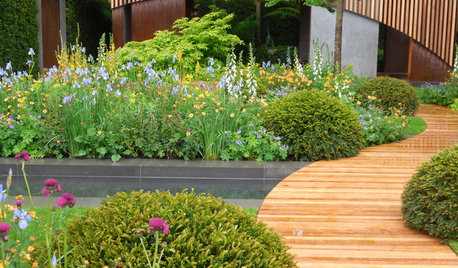
INSPIRING GARDENSAt the Chelsea Flower Show, a Jewel-Colored, Wildlife-Friendly Garden
Take a tour of this gold-medal-winning garden designed for community and wildlife to coexist and flourish
Full Story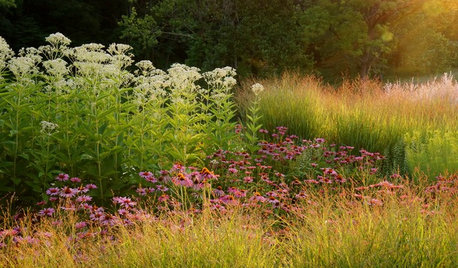
GARDENING FOR BUTTERFLIESGarden for Wildlife to Reap Rich Rewards
When you plant with animals and insects in mind, you make gardening easier, the planet healthier and yourself more present
Full Story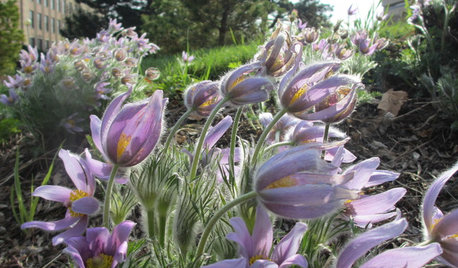
GARDENING GUIDES6 Plants That Beat Butterfly Bush for the Wildlife Draw
It's invasive, a nonnative and a poor insect magnet. Check out these better alternatives to butterfly bush in the garden
Full Story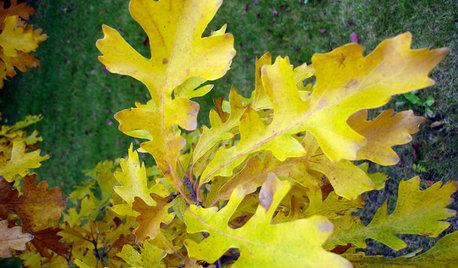
GARDENING GUIDESCelebrate Eastern Oaks for Wildlife, Longevity and Seasonal Interest
There might not be a more important tree to have in your eastern U.S. landscape — if you can fit one in
Full Story
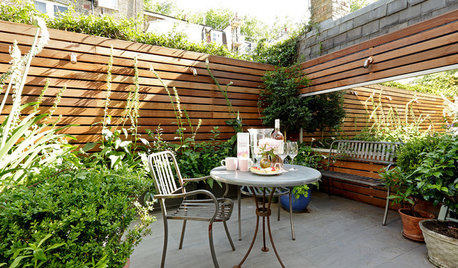
CONTAINER GARDENSPocket Gardens, Pint-Size Patios and Urban Backyards
A compact outdoor space can be a beautiful garden room with the right mix of plantings, furniture and creativity
Full Story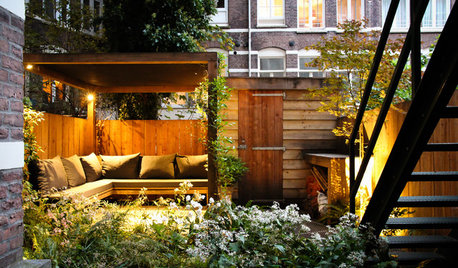
URBAN GARDENSNightfall Brings a Dutch Urban Garden to Life
White blossoms and well-planned lighting allow an Amsterdam couple to relax and entertain in their garden after work
Full Story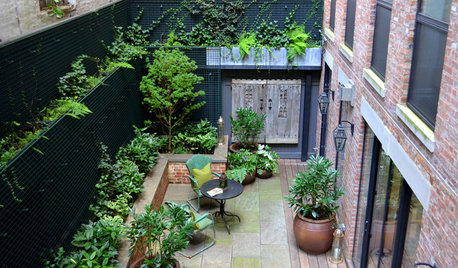
LANDSCAPE DESIGNProblem Solving With the Pros: How to Build a Garden in an Urban Canyon
Skyscrapers, noise and deep shade create an unlikely sweet spot for a timeless green retreat in New York City
Full Story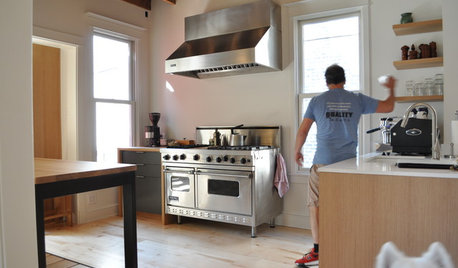
KITCHEN DESIGNPro Chefs Dish on Kitchens: Paul Kahan Shows His Urban Sanctuary
Peek inside Kahan's newly redone home kitchen and learn what he considers most important for a cooking space
Full Story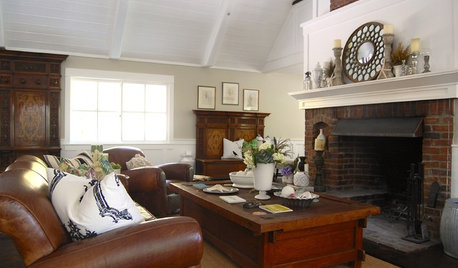
HOUZZ TOURSMy Houzz: Urban Cottage Style in a Woodsy Wonderland
With a detached guest suite, a pool amid natural rock and an abundance of towering trees, this California house is made in the shade
Full Story
ginny20