

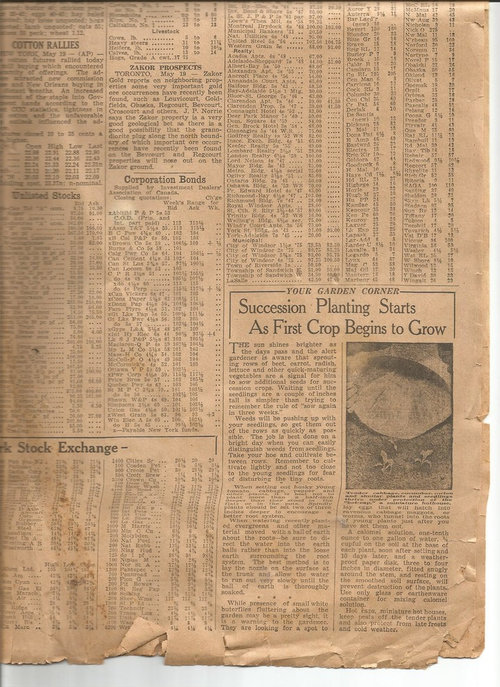
This day in history
11 years ago
Sort by:Oldest
Comments (4)
Related Stories
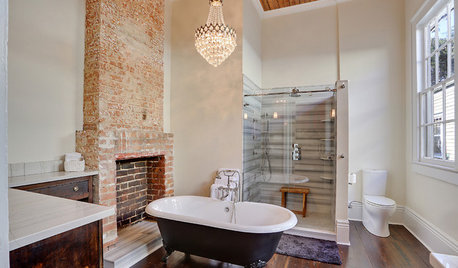
BATHROOM DESIGNRoom of the Day: Revising History in a New Orleans Bath
Original features mix with modern and vintage touches for a bathroom with surprising and beautiful character
Full Story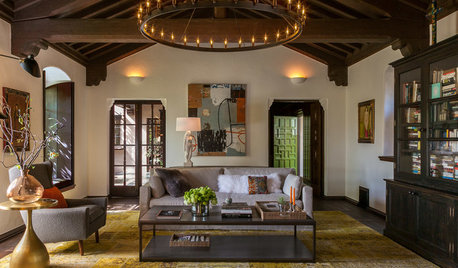
ROOM OF THE DAYRoom of the Day: Berkeley Living Room Builds on History and Style
Rich and dark woods, oversized furniture, layered lighting and intriguing artwork give this California room a comfortable sophistication
Full Story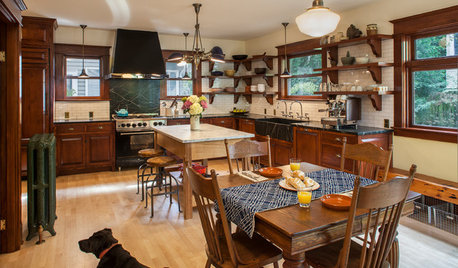
KITCHEN DESIGNKitchen of the Week: Period Details Keep History Alive in Portland
Modern functionality and doubled square footage bring a 1910 kitchen into the present while respecting its past
Full Story
COLORWhen Color Could Kill: Stories From the History of Paint
Delve into paint's storied past — what you learn about its history and modern incarnations may surprise you
Full Story
TRADITIONAL ARCHITECTUREHow to Research Your Home's History
Learn what your house looked like in a previous life to make updates that fit — or just for fun
Full Story
HOUZZ TOURSMy Houzz: History Resonates in a New Washington Farmhouse
Sentimental memorabilia join reclaimed pieces to create a warmly personal home for a family
Full Story
LIFEGive Your Home a History by Telling Your Story
Share your family's epic saga — or even just kiddie doodles — for a home that's personal, meaningful and inspiring
Full Story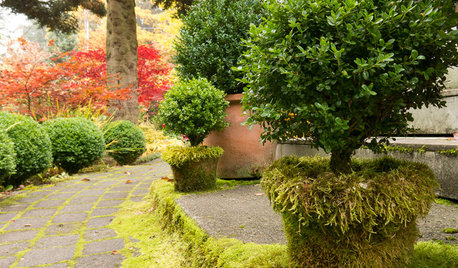
LANDSCAPE DESIGNEvoke Mystery and History With Moss in the Garden
Go ahead, lie about age. Moss on garden statues, planters and pavers creates the beautifully deceptive look of time’s passing
Full Story
EXTERIORSHistory Gets a New Spin on a Victorian Facade
Modernization had stripped this home’s exterior of its charm. Now the owners have put it back — in their own personal take
Full Story
DECORATING GUIDESCity View: History Meets Modern Tastes in St. Louis
This Missouri city celebrates a heritage that goes way back, but its architecture and interiors are moving decidedly forward
Full StorySponsored

Central Ohio's Trusted Home Remodeler Specializing in Kitchens & Baths

socks
redtartanOriginal Author
Related Discussions
Quote 4 - 1 - 12
Q
Quote 12 - 4 - 11
Q
Weekend Trivia ~ Saturday
Q
Have you heard of World in Pictures Day?
Q
redtartanOriginal Author
malna