

plant ID please
11 years ago

Featured Answer
Sort by:Oldest
Comments (23)
 11 years ago
- 11 years ago
Related Discussions
Does this plant looks familiar? Plant ID please!
Comments (10)It's a fig! Exact leaf shape and texture don't conform to any standard and are quite variable, especially with seedlings. I've seen that much variation on a single plant. The side views clinched it for me, since the stem, the petioles, and the new bud all have the fig gestalt. The major difference between fig and mulberry is size: fig has bigger, thicker growth all around. New mulberry leaves have two upward pointing bracts where the petiole connects to the stem....See Moreplant ID please... (bamboo looking plant)
Comments (5)Beautiful plant, but be very careful. It can be extremely difficult to remove from unwanted areas. A raised border planter won't necessarily be sufficient to contain spread--it can send rhizomes down and then laterally. (Picture down a raised planter and under a 3-4' concrete walkway.) If brave enough, I would put it in a solid bottomed planter with just drainage holes below, on top of solid concrete. And then be very careful with the pruning pieces. Definitely do not reuse the soil. I love the look of the plant, but don't dare introduce it into my CA garden....See MoreA few plant IDs please
Comments (14)Thanks for the kind words Dee! The keys for identifying the 4 different varieties are basically measurements that must be done with the plants in hand. Usually when a variety is given species rank, it is a variety that looks distinctly different, and that's probably the case with the 4 triloba varieties. It may be possible for 2 species to resemble each other, but have quite different DNA, which would warrant being lifted to species. I've already pulled out a few R. triloba this spring. I'm sure that I deadheaded them last fall. I had a big R. hirta that flowered it's head off and I let it go to seed, but I haven't spotted any vollunteers. I grew a double flowered Rudbeckia laciniata called something like Flora Plenna several years ago. I didn't have it for very long, because I could tell it was going to be a major thug. I tried planting a few wild laciniata a few years ago, but the deer ate them entirely to the ground. Now I have Helianthus divaricata and Helianthus groserratus taking over thug duty in that area. The deer like the taste of them too. I bought my first submentosa at a native plant sale on Saturday. I want to get Henry Eilers because me and Henry are friends. Henry is a botanist with a vast amount of knowledge about native plants, prairies, restoration and degradation. He's 88, but gets around better than some 60 year olds. Your 3rd photo of triloba has more sharply pointed leaves. It could just be a phenotype with slightly different genetics. There are a few different Cornus/Swida species that occur in Conneticutt. Can't say for sure which one your's is. It's definately not C. alternifolia, because your vollunteer has an opposite leaf arrangement. C. floridus and C. amomum are possible. A few others are possible too. I do see a benefit to calling the tree forms Swida, because it seperates them from C. floridus and the very different C. canadensis....See MorePlant ID, please (sunflower?)
Comments (1)Yes: it's a Helianthus. There are several dwarf/bushy hybrid cultivars that are mostly grown as annuals (although I believe they can overwinter in zones 9 and above), and this looks pretty similar to the 'Suncredible' series that are pretty popular in garden centers thesse days: https://www.lsuagcenter.com/articles/page1623084762361...See More- 11 years ago
- 11 years ago
- 11 years ago
- 11 years ago
- 11 years ago
- 11 years ago
- 11 years ago
- 11 years agolast modified: 11 years ago
- 11 years ago
- 11 years ago
- 11 years ago
- 11 years ago
- 11 years ago
- 11 years ago
- 11 years ago
- 11 years ago
- 11 years ago
- 11 years ago
- 11 years ago
- 11 years ago




Related Stories
GARDENING GUIDESGreat Design Plant: Silphium Perfoliatum Pleases Wildlife
Cup plant provides structure, cover, food and water to help attract and sustain wildlife in the eastern North American garden
Full Story
GARDENING GUIDESPathway Plantings That Please the Senses
Add some color, life and intrigue beside your sidewalk with these 7 suggestions
Full Story
GARDENING GUIDESGreat Design Plant: Please Bumblebees by Planting Baptisia Lactea
Plant wild white indigo in central and southeastern U.S. gardens for its large white flower heads and early-spring interest
Full Story
HOUSEPLANTSMother-in-Law's Tongue: Surprisingly Easy to Please
This low-maintenance, high-impact houseplant, also known as snake plant, fits in with any design
Full Story
SUMMER GARDENINGHouzz Call: Please Show Us Your Summer Garden!
Share pictures of your home and yard this summer — we’d love to feature them in an upcoming story
Full Story
HOME OFFICESQuiet, Please! How to Cut Noise Pollution at Home
Leaf blowers, trucks or noisy neighbors driving you berserk? These sound-reduction strategies can help you hush things up
Full Story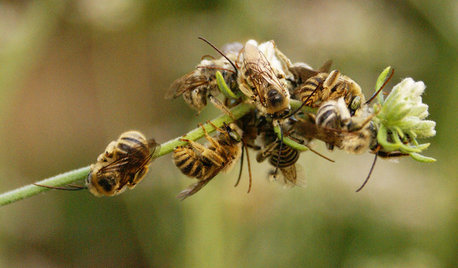
GARDENING GUIDESGreat Design Plant: California Buckwheat Pleases Pollinators
Beneficial insects go wild for this drought-tolerant plant’s summer flowers, while seed heads feed critters foraging in the cold
Full Story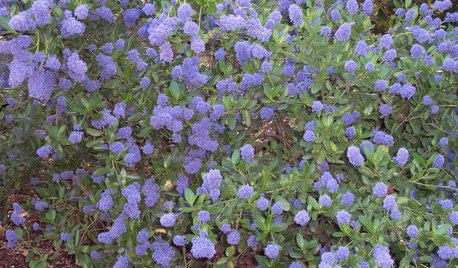
GARDENING GUIDESGreat Design Plant: Ceanothus Pleases With Nectar and Fragrant Blooms
West Coast natives: The blue flowers of drought-tolerant ceanothus draw the eye and help support local wildlife too
Full Story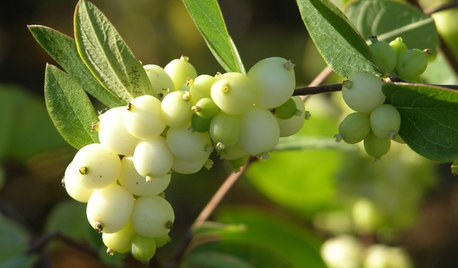
GARDENING GUIDESGreat Design Plant: Snowberry Pleases Year-Round
Bright spring foliage, pretty summer flowers, white berries in winter ... Symphoricarpos albus is a sight to behold in every season
Full Story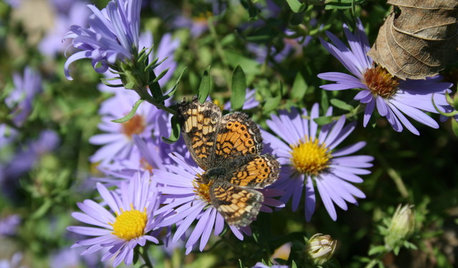
GARDENING GUIDESGreat Design Plant: Smooth Aster, the Wonder Pollinator
An insect nirvana with lovely near-blue petals, this low-maintenance aster strives to please
Full Story
lenarufusOriginal Author