

Facts, History and Use of the Olive Tree in Italian
17 years ago
Comment
Related Stories
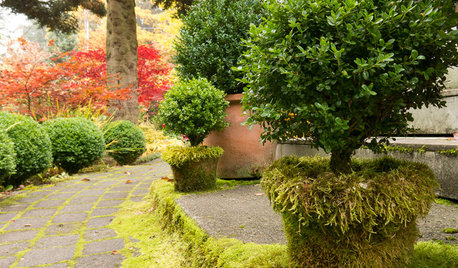
LANDSCAPE DESIGNEvoke Mystery and History With Moss in the Garden
Go ahead, lie about age. Moss on garden statues, planters and pavers creates the beautifully deceptive look of time’s passing
Full Story
HOUZZ TOURSMy Houzz: History and Charm Infuse a California Hilltop Home
They've lived almost 50 years in one home, but this constantly renovating couple has design tastes that don't stand still
Full Story
HOMES AROUND THE WORLDMy Houzz: A Family’s Rustic Refuge for Travelers in the Italian Alps
High up in the Dolomites, a mountain dairy farm and restaurant offer up old-fashioned hospitality, memories and tranquillity
Full Story
RUSTIC STYLEHouzz Tour: A California Country Home With a French Accent
A new house mixes modern touches with the timeless beauty of stone walls, rustic doors, old olive trees — and vineyards all around
Full Story
Guest Picks: Chic Wooden Kitchen Accessories
Warm up a kitchen with accessories in walnut, acacia, olive wood and more
Full Story
GARDENING GUIDESNew Ways to Think About All That Mulch in the Garden
Before you go making a mountain out of a mulch hill, learn the facts about what your plants and soil really want
Full Story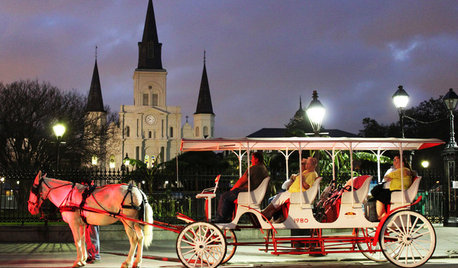
TRAVEL BY DESIGNTravel Guide: New Orleans for Design Lovers
Experience the city's energetic rebirth layered with centuries of history, seen in its architecture, museums, restaurants and more
Full Story
DECORATING GUIDESBring a Taste of Italy Home With 12 Design Touches
No vacation plans abroad? You can still get the feel of old-world Italy with these ideas from an Italian designer
Full Story
PRODUCT PICKSGuest Picks: Everything Old-World Is New Again
Give even a new build a romantic history with lighting fixtures, hardware and drapes that recall the Old Country
Full Story
ECLECTIC HOMESHouzz Tour: Good Vibes for a Hollywood Couple in Laurel Canyon
Actor Ian Harding and artist Sophia Hart’s personalities shine in a house nestled in the trees
Full StorySponsored
Related Discussions
olive trees
Q
New Jersey Italian fig trees
Q
Anyone growing Fig Trees or Olive Trees in Z6?
Q
Old olive trees drying out and giving no olives.
Q