

Pseudo-natives
22 years ago
Featured Answer
Sort by:Oldest
Comments (17)
 22 years ago
- 22 years ago
Related Discussions
What looks good/bad in your garden, February 2013?
Comments (20)Thanks for looking/commenting Kevin and all. I love that 'Monterrey Frost' agave too, so nice and impervious to the recent cold. Yay. My 'Hercules' aloe definitely has tip damage too. It's been in the ground for six years and has grown a ton--I'm excited to see the blooms and to see that it's finally branching. I'm sure yours will do the same too. Now for something that looks (looked!) bad, and then good. I'm tired of the "dwarf" oleander around part of my covered patio, so this weekend I ripped them out (big job) and replaced them with fifteen rosemary plants, and added 1000 lbs of gravel mulch. I cleaned up the arbor too and planted honeysuckle, which is thriving on a trellis nearby, and I finally added some pavers underneath the arch too. I'm embarrassed about the "before" pic, but with the holidays, a month of houseguests, this awful weather and my work things just got nasty, hah! It took all weekend but now it looks better. Not great, but better. Happy gardening all, keep the updates coming! BEFORE: tired, sickly, abused "dwarf" oleanders and an orange that unlike my others never looked good. Not the open soil under the archway. Shame shame on me, hah! AFTER: not perfect, but better. I removed the sickly citrus, and the oleanders and replaced them with rosemary which does so well here, and has great scent and blooms and color. I also added pavers under the archway and planted two honeysuckles (Lonicera japonica) at each side. Last year I had all sorts of different vines on there--quite a mess. The recent cold snap took care of that so out they went, plus I cleaned up the remaining twigs (tsk tsk tsk)....See Morehave: M. Lasiocarpa aka Golden Lotus or Chinese Yellow
Comments (1)Sending you an e-mail ~ Judy...See MoreNeed CA native plants for nonprofit planting project.
Comments (4)1) To show people that native plants are beautiful, excellent choices for landscaping, to help stop foreign invasive plants from being used. True, but often natives just do not respond the same way to cultivation as they tend to be soil specific, requiring more aeration of the general clayey type soils that constitute the fill that is used in lots homes are built upon. And as people tend to have lawns the way the lawn is handled is generally how the rest of the yard is handled, and that is as easily as possible. 2) To support native plants and animals. These plants were selected because a number of native California butterflies, birds, moths, etc. feed on them. We are also trying to expand the territory of the lonely little grey fox that lives near the conservancy. While many of the plants you list may be attracted to butterflies and moths as well as hummingbirds, you need plants that produce seeds that birds will eat and in your list only the Ribes appears to be so. Plants that are annuals or biennials that produce small seeds for finches or larger seeds for the larger birds of your area, which you need to research. Also butterflies need plants such as milkweed for their caterpillars to feed on. "Lonely little gray fox"??? Grey foxes are solitary hunters! And they can climb trees which is one of their escape routes from dogs. You need large trees with cavities in them for the fox to hide in. Also you will need debris piles, such as piled up branches etc for rodents to live in that the fox can feed on. 3) the bushier plants are meant to discourage trespassing. There is a real issue of homeless people basically invading sections of the river and destroying it. We want to use these plants as a barrier to save the last pristine section of land, which is only maybe a fourth of a mile long, less wide. None of the plants you list can create a suitable barrier apart from the Cornus and even it is not enough to dispell intruders. You need plants like THISTLES fronted by NETTLES to form a wall at least 5 feet deep to discourage intruders but once these idiots learn you are growing Datura then forget it as they will simply find a way to destroy your barriers to get to this plant that is used as a drug. I could not believe that you would list such a dangerous plant like this. It should not be encouraged to be grown. 4) open the door for more native planting projects. If this one is successful, we would do greater habitat restoration projects, where we would actually plant more things that would naturally occur in the area. I really think you people should contact the California Native Plant Society in your area and really talk this over with them. They have the knowledge and resources that can assist you. Check the link. Here is a link that might be useful: CNPS Santa Clara Valley...See MoreVegetable garden newbie in northern NM needs advice!
Comments (2)Hi CJ, I created a food garden in similar conditions two years ago with great results, and thought I'd share what I did... To begin I dug out the area (I chose a circle about 15 feet in diameter for the garden), and like you, I hit impossibly hard substrate less than a foot down. I mixed the loosened top layer of soil with a few bags of topsoil, manure, and some of the organic material under salvaged dead pinyon pines. I then fenced the area in, of course, mulched like crazy with straw, and hooked up some hose from my washing machine to give it graywater (not actually supposed to be used for vegetable gardening, but that's ridiculous unless you're washing soiled diapers). With that thick layer of straw, all the necessary moisture is retained between laundry loads (using appropriate biodegradable detergent only of course), and any plants that cannot grow up through the straw from seed are started indoors, hardened off, and transplanted into the garden. I would discourage raised beds anyway, as they don't benefit from the moisture-retentive and temperature-mediating properties of the ground. Also, rainwater cannot flow into a raised bed, only out of it. Sunken basins are much more appropriate for this climate (check out the book "Rainwater Harvesting for Drylands" by Brad Lancaster, which goes into detail about this, as well as has a chapter on ancient Native American gardening methods). So, my three tips for gardening here would be: 1. Keep it small, this allows much more control over every part of the process, increasing yields. 2. Mulch like crazy... Oh, did I mention I have never had to pull weeds from my garden? 3. Pay attention to the weather and animals to minimize plant losses. Good luck to you!...See More- 22 years ago
- 22 years ago
- 22 years ago
- 22 years ago
- 22 years ago
- 22 years ago
- 22 years ago
- 22 years ago
- 22 years ago
- 22 years ago
- 21 years ago
- 21 years ago
 10 years ago
- 10 years ago
Related Stories
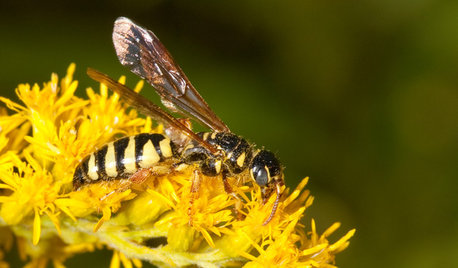
GARDENING GUIDESAttract Thynnid Wasps With Summer-Flowering Native Plants
These beneficial insects will hunt damaging beetle grubs in your lawn
Full Story
GARDENING GUIDES7 Ecofriendly Gardening Ideas That Also Cut Chore Time
Spend less time weeding, less money watering and more moments just sitting back and enjoying your healthy garden
Full Story
MOST POPULAR7 Ways to Design Your Kitchen to Help You Lose Weight
In his new book, Slim by Design, eating-behavior expert Brian Wansink shows us how to get our kitchens working better
Full Story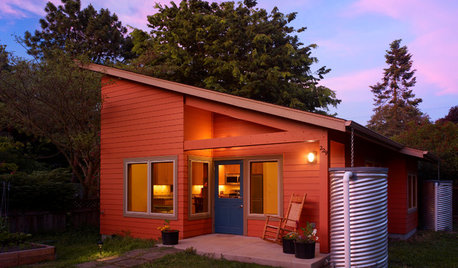
GREEN BUILDINGHow to Harvest Rainwater for Your Garden
Conserve a vital resource and save money by collecting stormwater for irrigation in a barrel or tank
Full Story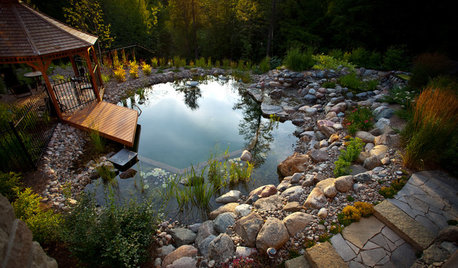
LANDSCAPE DESIGNNatural Swimming Pools: More Beauty, No Chemicals
Keep your skin and the environment healthy with a pool that cleans itself, naturally
Full Story
Sponsored
Woko