

Does it make sense to pay off the house?
18 years ago
Featured Answer
Sort by:Oldest
Comments (10)
 18 years ago
Related Discussions
Does it make sense to add accent lighting later?
Comments (6)In today's open plan houses it shouldn't be difficult to decide which walls are suitable for artwork. The issue is whether or not you would decide later to put a mirror there or put nothing there. The time to figure that out is now. You can always remove the lamp in the recessed fixture if you change your mind. It is also possible to use adjustable low voltage fixtures that can be directed down or at the wall. The light in a room that is directed toward a wall is reflected back into the room and that makes the space feel larger and more dramatic and with the use of dimmers it is easy to control it....See MoreDoes this house plan make sense?
Comments (1)I am not exactly sure what you would like us to comment on. It looks pretty good. My main thing might be the hvac and its location/size. That closet might be tight for them to install and to have maintenance in the future. Also I question how they are going to run their duct work, especially with your big vault through the middle. That might be a challenge for them....See Moredoes this make sense
Comments (3)yup, makes sense to me. I usually sell customers two systems for this very reason. you could also install a door on the staircase to block the cold air from falling down the stairs, but this is seldom practical. another reason for this, is the attic space is VERY HOT. properly venting the hot attic air will help with this phenom. see if your house has gable vents, or soffit and ridge. or some form of powervents. soffit and ridge is the best. John...See MoreDoes a whole house fan make sense in NJ?
Comments (6)I have a recommendation for whole-house fans, and that is to go with the ones made by Triangle Engineering of Arkansas (made in the USA!). These things move more air than any other brand. As an example: the 36" belt-drive model sold at Lowes & Home Depot moves 6,900 CFM on its highest speed. The 36" one that Triangle makes moves 10,600 CFM. I just put one of these in last week and am so taken with it that I'm evangelizing for Triangle now. These things are much higher quality than the other brands too -- these are made with very heavy-gauge solid welded steel (as opposed to the thin, flimsy metal - often aluminum - that other brands use). They use a very solid motor made by Emerson, the best of the top three motor-making companies (the other two being Fasco and A.O. Smith). They come pre-framed on a wood frame for installation, AND they have sponge-rubber noise-dampening material between the fan and the frame, so they are much quieter than the other brands. Also, Triangle holds a patent on an automatic belt-tensioning system these things use, so you don't have to worry about getting the tension right when you install the fan (or in the years thereafter as the belt loosens up). Also, they come in more sizes than the other companies -- from 24" all the way up to 48" blade diameter (which moves a ridiculously whopping amount of air; no one else makes one that big). They're sold online at Southern Tool amongst other places that ship nationwide, so they're available wherever you live. Also, Triangle re-brands some of these as a private label for Dayton, which is the "store brand" of Grainger - so if you have a Grainger store near you (check your phone book or their website), you can buy one there. I will say this, though - Grainger/Dayton makes their own shutters, and those shutters are much better than the one Triangle makes. Triangle makes great fans, but crappy shutters. Luckily, they're sold separately -- so buy a Triangle fan and Dayton shutters; money can't buy better products. They also re-brand some for a company out in San Francisco called "Fanman" (a/k/a "Delta Breeze"). A word to the wise -- these fans move a lot of air, so make sure to install at least the recommended minimum amount of attic exhaust space (gable vents, soffit vents, roof vents, some combination thereof, whatever works for you) - if you don't have enough, the fan will operate at reduced capacity, and there will be a backpressure which will cause the shutters to rattle when the fan is in operation (any time you hear whole-house fan shutters rattling, you know there isn't enough exhaust space). Oh, and one other thing -- only buy a belt-drive whole-house fan, don't EVER buy a direct-drive model...the direct-drive models are at least five times louder, they sound like standing on an airport runway next to an old prop plane getting ready to take off. Several of the dedicated whole-house fan installing companies have chosen to use Triangle fans; that should tell you something. These companies want satisfied customers, so they use Triangle and only Triangle. Refer to http://www.trianglefans.com/wholehouse.html for more info Here is a link that might be useful: Triangle whole-house fans...See More- 18 years ago
- 18 years ago
- 18 years ago
- 18 years ago
- 18 years ago
- 18 years ago
- 9 years ago
- 7 years ago
Related Stories
VACATION HOMESMake Your Vacation Home Pay Off
Renting your vacation house when you're not using it makes good financial sense. These tips can help
Full Story
HOUZZ TOURSMy Houzz: Family Efforts Pay Off for a 1915 Home
Everyone from the kids to the grandparents helped renovate this Montreal house — and the results show how much they care
Full Story
MOST POPULAR5 Remodels That Make Good Resale Value Sense — and 5 That Don’t
Find out which projects offer the best return on your investment dollars
Full Story
CONTEMPORARY HOMESHouzz Tour: Foresight Pays Off in Atlanta
Seeing the growth potential leads to a couple’s creative live-work space in a newly desirable neighborhood
Full Story
ROOM OF THE DAYRoom of the Day: Patience Pays Off in a Midcentury Living-Dining Room
Prioritizing lighting and a bookcase, and then taking time to select furnishings, yields a thoughtfully put-together space
Full Story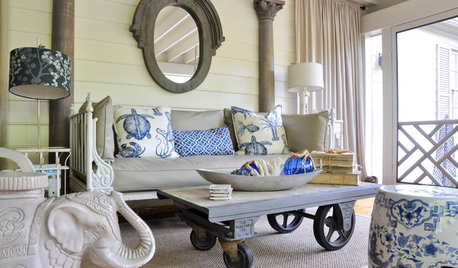
HOUZZ TOURSMy Houzz: Treasure Hunting Pays Off in Maryland
Artfully layered accessories and patterns plus an eclectic furniture mix make for intriguing decor with vintage flair
Full Story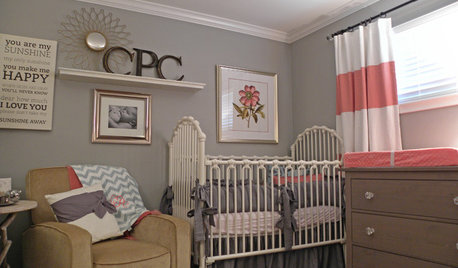
HOUZZ TOURSMy Houzz: Patience and Resourcefulness Pay Off in Dallas
Unhurried remodeling lets a growing family stay within budget and get exactly the look they want for their Texas home
Full Story
LIVING ROOMSRoom of the Day: Dark and Daring Pay Off in a Den Redesign
Indigo walls and woodwork, textured furnishings, task lighting and a media center turn a neglected room into a family hangout
Full Story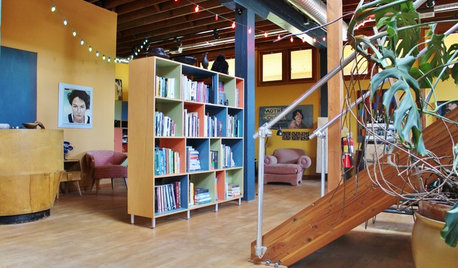
HOUZZ TOURSMy Houzz: Vision Pays Off in a Vibrant Live-Work Space
A plain box becomes a creative, eclectic home at the hands of hardworking homeowners and their remodeling team
Full Story
VACATION HOMESPatience Pays Off for Owners Renovating Their Beach Condo
A Jersey Shore unit gets a bright new look, a more functional layout and increased space for extended family
Full StorySponsored
Jonesy