

Wasp Sting
21 years ago
Featured Answer
Sort by:Oldest
Comments (16)
 21 years ago
- 21 years ago
Related Discussions
Weekend Trivia - Saturday
Comments (15)Every one of you picked the tarantula hawk as number 4, the most painful sting, and you are totally right. Look at the size of one of these monsters. Shudder Number 3 is the paper wasp, which surprised me. Brown paper wasps are common here and they aren't as big as a yellow jacket or a baldfaced hornet. I've been stung by them quite a few times, and, although they may have made me say a rude word or two, I wouldn't say they are especially painful. Maybe Schmidt used some other species. Number 2 is the baldfaced hornet. These are big, and scare me when I see them. I had always imagined that they could give a big old sting that would make a grown man (me) cry, but I guess not so much. Which leaves number 1 for the feared fire ant. We don't have those up north, thank God, but as some of you probably know too well, they tend to gang up on you so you get many stings. At a value of one each, when ten of them sting you, is that like a sting of 10 on the Schmidt Index? Yow! for Sierra, Annette, Sue, and Libby for getting the right order. Sierra, I only got two or three black fly bites this year. I hope yours are all gone now. I'm glad yours are, Nancy. I've always wondered why bumblebees, who look exactly like they are wearing little yellow jackets, didn't get the name we give to those big yellow and black striped wasps that we actually call yellow jackets. Hmmmmm? ThinMan...See MoreNat4b - The Wasp Sting
Comments (10)You really need to be careful. I was never really affected by stings but a few years ago I got stung and had a very bad reaction. I keep "sting sticks" handy now and benedryl just for the occasion. I get stung about twice a season. The "sting sticks" are little ampules with cottom in one end that surround a glass ampule, you crush the glass ampule and squeeze it until the cotton is moist and swab the sting area, the relief is nearly instant. Then I take some Benedryl. Be especially careful if you have potted plants, I have had yellow jackets use the drainage holes in the sides near the bottom for enterance ways and build nests in them. You probably won't even notice them until you move the pot and by the time you do you will be surrounded by them trying to sting you....See MoreStinging orange and grey ants?
Comments (6)AFAIK, they ARE a wingless wasp variety - pretty sure there's more than 1 kind - "velvet ants" is another... Here is a link that might be useful: Velvet ants...See MoreIs there anyway to deter bees and wasps
Comments (4)I agree totally! There are no plants that will repell these insects. Also, the same thing is true for snakes. They come into our yards for prey. If you eliminate the habitat (lawn and landscaping) you won't have a snake problem. What a bleak prospect, however. You can overcome your fear of snakes with some good information gathering. Gaining confidance about stinging insects when you have the danger of allergic reactions is more difficult. I've been a working professional horticulturist for over 25 years (yikes!) and have never been stung. I used to be scared silly by wasps and bees and their kin. Now, I will spray sugar water on my arm to have them land on me and feed. If I were you, I would inspect around my home (eaves and porches) every once in awhile, to make sure that no unwanted guests are building nests....I would carry an epi-pen with me....and I would try to learn to enjoy the outdoors. Good luck.....I don't envy you at all....See More 21 years ago
- 21 years ago
- 21 years ago
- 21 years ago
- 21 years ago
- 21 years ago
- 21 years ago
 21 years ago
- 15 years ago
- 15 years ago
- 15 years ago
- 15 years ago
- 13 years ago
Related Stories
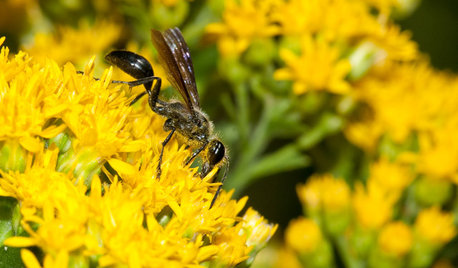
GARDENING GUIDESMeet the Grass-Carrying Wasp, a Gentle Pollinator of Summer Flowers
These fascinating insects nest in wood cavities and hollow plant stems
Full Story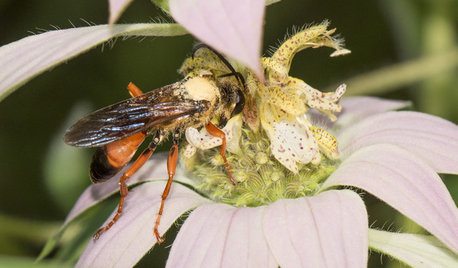
GARDENING GUIDESGreat Golden Digger Wasp: A Beneficial Flower-Visiting Insect
Introducing the great golden digger wasp, a colorful pollinator that also hunts foliage-eating insects
Full Story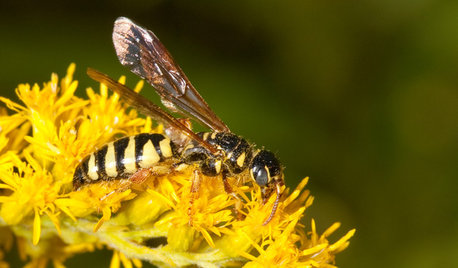
GARDENING GUIDESAttract Thynnid Wasps With Summer-Flowering Native Plants
These beneficial insects will hunt damaging beetle grubs in your lawn
Full Story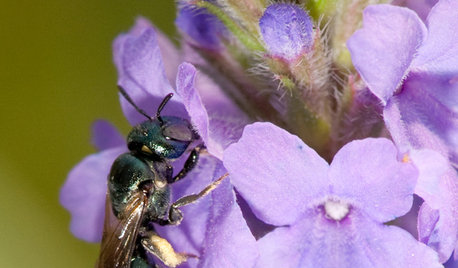
GARDENING GUIDESSmall Carpenter Bees Are Looking for a Home in Your Plant Stems
Provide flowers and nesting sites in your garden for this beautiful, tiny, metallic blue wild bee — your plants will thank you
Full Story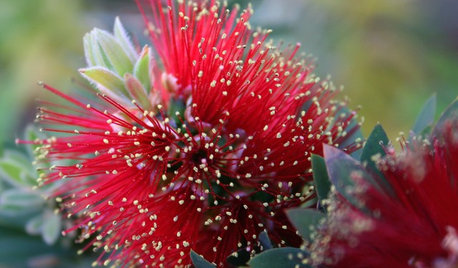
GARDENING GUIDESGreat Design Plant: Velvety Dwarf Bottlebrush Beckons a Touch
Brilliant red blooms and inviting textures will capture your heart, but the low maintenance and small size will win over your practical side
Full Story
HOUSEKEEPINGHow to Keep Your White Spaces Looking Great
Brighten up your white walls, floors and furniture with these cleaning and maintenance tips
Full Story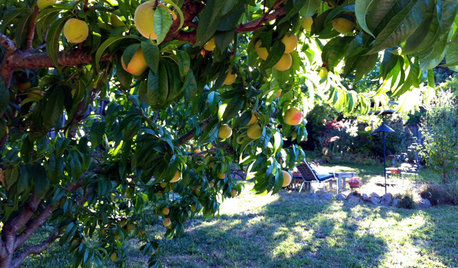
EDIBLE GARDENSHow to Grow Your Own Peaches and Nectarines
Make gardening a little sweeter with these juicy fruits, which you can eat after plucking or preserve for later
Full Story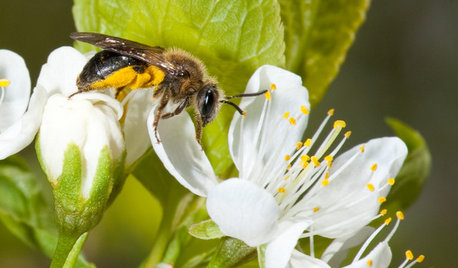
GARDENING GUIDESInvite Mining Bees to Your Garden by Planting Their Favorite Plants
Look for mining bees (Andrena) pollinating woodland wildflowers in U.S. gardens this spring
Full Story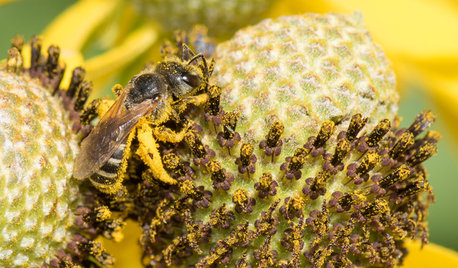
GARDENING GUIDESWelcome Sweat Bees to Your Garden Throughout the Growing Season
Look before you swat! These friendly sweat bees will feed on your sweat on a hot summer day, but their main buffet is flowers
Full Story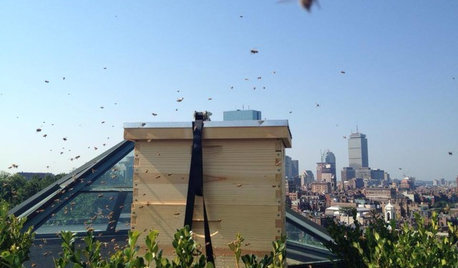
FARM YOUR YARDHello, Honey: Beekeeping Anywhere for Fun, Food and Good Deeds
We need pollinators, and they increasingly need us too. Here, why and how to be a bee friend
Full StorySponsored
emma