

Feeding Robins
19 years ago
Featured Answer
Sort by:Oldest
Comments (19)
 19 years ago
- 19 years ago
Related Discussions
I caught the thief
Comments (3)I love robins, but think they truly are "dirty birds"; the water in our bird bath, which I try to change daily, is always really dirty! They are messy, too; they dig for worms in my garden and kick dirt on the sidewalk. George, maybe your cat will change her mind about eating outside, since there are "food thieves" in your neighborhood! ;>)...See Morewanted: update: winter sowing round robin
Comments (29)Oh man! You guys were feeding dat Robin a little too much for her waistline! lol Robin landed here yesterday morning just as I was leaving for work. I managed to delay leaving long enough to rip open the package and stare at all the goodies! This was a LOT of fun and I sure learned a lot. I may do another RR some day but will have to make some changes to accommodate what I've learned. Thank you all for participating!! This RR took exactly 8 weeks to travel from coast to coast. You all should take a bow for keeping things speeding along. I now will get my Winter Sowing started - I was waiting for this package before I start my planting. I have to do a LOT of research about some of these seeds... never heard of some of them before. I am SO excited about getting the Kiss-Me-Over-the-Garden-Gate! I have been wanting that plant! and some of the fragrant goodies that came along... someone of you must have known I have a fragrance weakness! lol Only six of my contributed seeds came back to me. I believe I put something like 20 in the original box. So I am glad you all took a little bit from me. I'll be emailing some of you with questions about these seeds. I am also in the throws of transferring all my files and bookmarked sites onto a brand new computer! So I am surprised I am able to get in here right now to post this! lol I had to look for my passwords for all the sites too! Good grief! Upgrading is exciting but a pain at the same time! Now let's all get growing! Hugs from the Momma Robin! Marly...See Morefirst flock of Robins feeding and bathing in our front yard!!!!
Comments (3)Nice to see them, isn't it? If they were in a flock, they were probably robins that stayed all winter. People think they all leave for warmer parts come fall, but up to 50% overwinter in flocks in their breeding areas up here. We just tend not to see them as much during winter, though mine have hovered around my yard since December so I got to take lots of pics....See MoreSome questions about fledgling robins please
Comments (2)I can answer your question about what they look like. Young robins are a bit splochier than the adults. They are about the same size. Here is a picture I took last year of a young robin in a tree that the parents were still feeding....See More- 19 years ago
- 19 years ago
- 19 years ago
- 19 years ago
- 19 years ago
- 19 years ago
- 16 years ago
 16 years ago
 16 years ago
- 7 years ago
- 7 years ago
- 7 years ago
- 7 years agolast modified: 7 years ago
- 7 years ago
- 7 years ago
- 7 years ago
Related Stories
GARDENING FOR BIRDSFeed the Birds: 6 Plants for Abundant Winter Berries
Be kind to your fair feathered friends during lean food times by planting a shrub or tree loaded with nutritious snacks
Full Story
GARDENING GUIDESGreat Design Plant: Nourish Wildlife With American Beautyberry
The bright purple berries of Callicarpa americana feed winged beauties and make the Southeast U.S. native a fall garden standout
Full Story
GARDENING GUIDESGreat Design Plant: Amelanchier Signals Spring With Airy White Blooms
With roughly 20 species of serviceberry native to the U.S., bees can feed on the early-season blooms while birds enjoy the summer berries
Full Story
FALL GARDENING7 Reasons Not to Clean Up Your Fall Garden
Before you pluck and rake, consider wildlife, the health of your plants and your own right to relax
Full Story
GARDENING GUIDESPrunus Virginiana Thrives Under Deciduous Trees
Plant chokecherry for showy white flowers favored by native bees in spring, and to provide nesting habitat and food for birds
Full Story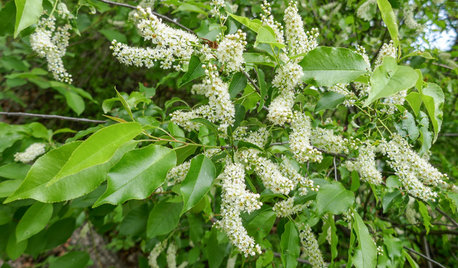
GARDENING GUIDESPlant Black Cherry Trees for the Birds and Bees
Plant Prunus serotina in the Central and Eastern U.S. for spring flowers, interesting bark and beautiful fall color
Full Story
PRODUCT PICKSGuest Picks: High-Tech Plant Helpers
Hydroponics, monitoring systems, even an electric pollinator ... these gadgets and services keep your greenery growing strong
Full Story
PRODUCT PICKSGuest Picks: Concrete Ideas for Patios and Decks
Look to lightweight fiber cement for functional outdoor furniture and accessories that are heavy on style
Full Story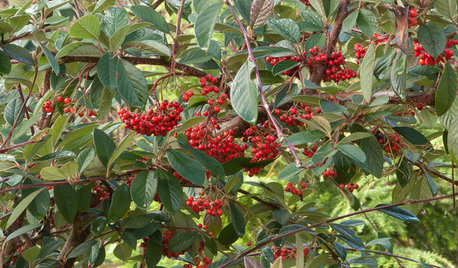
GARDENING GUIDESGreat Design Plant: Cotoneaster Lacteus
Parney cotoneaster is a low-maintenance, four-season shrub that offers great foliage, spring flowers and jewel-like berries
Full Story
EDIBLE GARDENSA Formerly Weedy Lot Now Brims With Edibles and Honeybees
Photographers transform their barren backyard into an oasis filled with fruit, vegetables, honey, eggs and more
Full Story
More Discussions
ginni77